

Greece’s Carnival, known as Apokries, is a lively, colorful, and deliciously fun season full of masquerades, music, dancing, and feasting. In 2026, Apokries officially kicks off on Sunday, February 1, and runs until Clean Monday, February 23, marking the start of Great Lent.
Key Dates for 2026
| Event | Date 2026 | What Happens |
|---|---|---|
| 🎉 Start of Carnival / Opening of the Triodion | Sunday, 1 February | Official start of Apokries. |
| 🍖 Tsiknopempti / Barbecue Thursday | Thursday, 12 February | Families and friends enjoy grilled meat before Lent. |
| 🧀 Last Sunday of Carnival / Cheesefare Sunday | Sunday, 22 February | Grand finale of Apokries with parades, masquerades, and street celebrations; final day to enjoy dairy before Great Lent. |
| 🪁 Clean Monday or Ash Monday / Start of Great Lent | Monday, 23 February | First day of fasting; outdoor picnics, kite flying, and traditional fasting dishes. |
| 🕯️ Duration of Great Lent | 23 February – 4 April (Holy Saturday) | 40 days of fasting leading to Easter. |
Apokries 2026: Greece’s Carnival Season
Apokries, meaning “farewell to meat,” marks the festive period before Great Lent. It begins with the opening of the Triodion, the movable ecclesiastical period that prepares the faithful for Holy Easter. Its name comes from the liturgical book of the same name, which contains hymns with three odes.
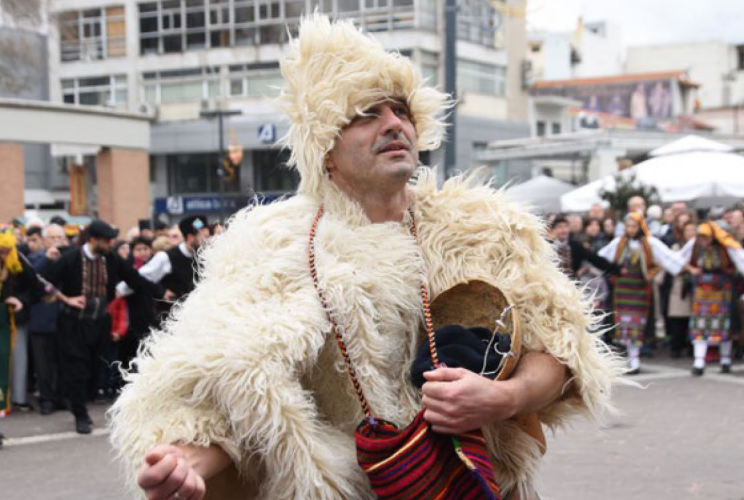
Throughout the Apokries Carnival, Greeks celebrate with colorful costumes, masquerade balls, parades, and street parties, blending centuries-old traditions with modern fun. The week after the opening is generally fast-free, leading up to Tsiknopempti (“Smoky Thursday”) (Thursday, 12 February), when families and friends gather for grilled meat feasts.
The grand finale is Cheesefare Sunday (Sunday, 22 February), also called the Sunday of Cheese. Across Greece, parades, masquerade parties, and street celebrations reach their peak, as communities come together in music, dancing, and colorful costumes. It is also the last day to enjoy dairy products before the 40-day Great Lent begins on Clean Monday (Monday, 23 February), a day traditionally spent flying kites and enjoying seafood and other simple fasting foods. This period of fasting leads up to Easter, the most important celebration in the Greek Orthodox calendar.



Top 2026 Carnival Destinations & Events
If you’re planning to experience Apokries 2026, these destinations are must-visits:
1. Patras – The Largest Carnival
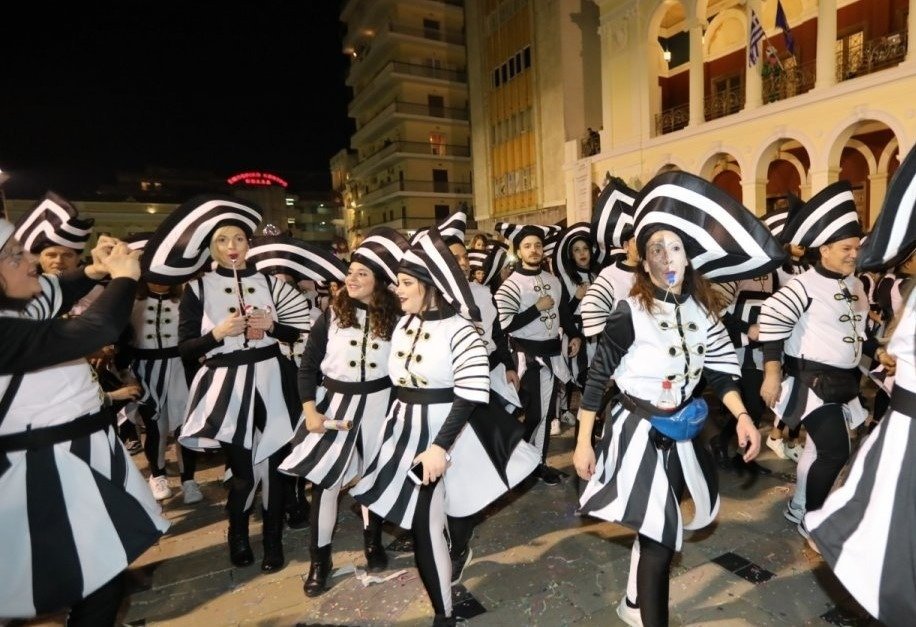
Patras hosts Greece’s biggest carnival and one of Europe’s largest. Festivities include satirical and artistic floats, a Saturday night torch-lit parade, and a grand finale on Sunday, February 22. The entire city participates, making it a massive celebration. See the full program and schedule on the official Patras Carnival website: https://www.carnivalpatras.gr/en/
2. Rethymno (Crete)
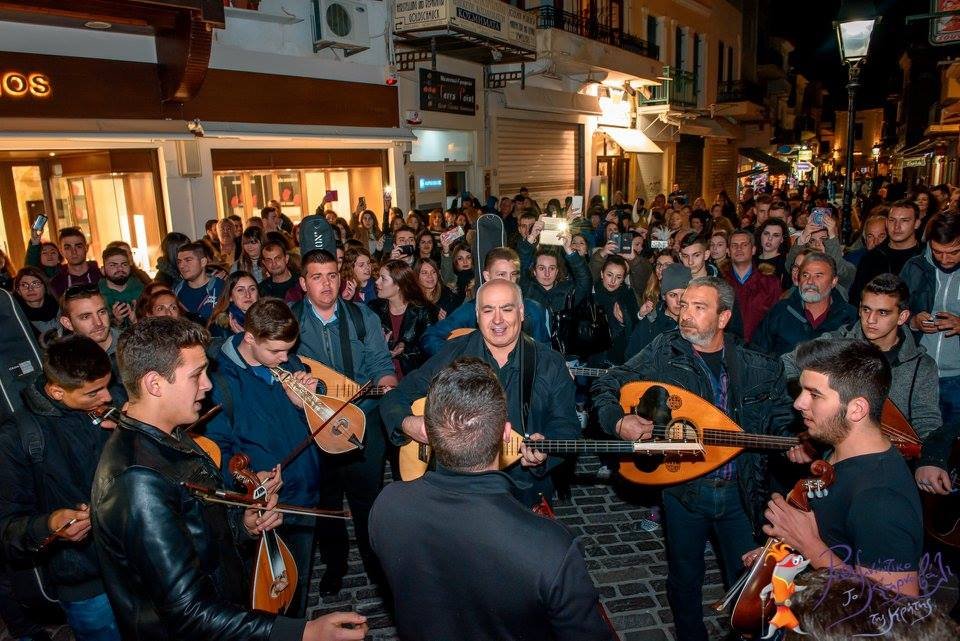
The Rethymno Carnival, with over a century of history, celebrates the city’s vibrant Renaissance heritage. Highlights include the legendary Treasure Hunt, Cretan Kantades in the Old Town, and lively outdoor parties, concerts, and cultural events throughout the city. https://rethymnocarnival.gr/programma/
3. Xanthi (Thrace)
Xanthi’s Thracian Folk Carnival celebrates the city’s multicultural heritage. The festivities culminate in the Burning of the Tzaros, a human effigy atop a brushwood pile. For the full program, visit: https://www.cityofxanthi.gr/enimerosi/events/thle-xanthiotiko-karnabali-2026
4. Skyros Island
Skyros features the ancient “Old Man and the Korela” custom. Locals parade wearing black cloaks and goat bells, singing, dancing, and making noise. Celebrations peak on Sunday, February 22. For more information, visit: https://www.skyros.gr/activities/carnival/
5. Galaxidi (Fokida)
Galaxidi is famous for the lively Alevromoutzouromata (Flour War), where on Clean Monday (February 23), participants joyfully throw flour and colors at one another around fires, continuing a tradition that blends fun, local history, and community celebration. https://alevromoutzouroma.gr/
6. Nafplio
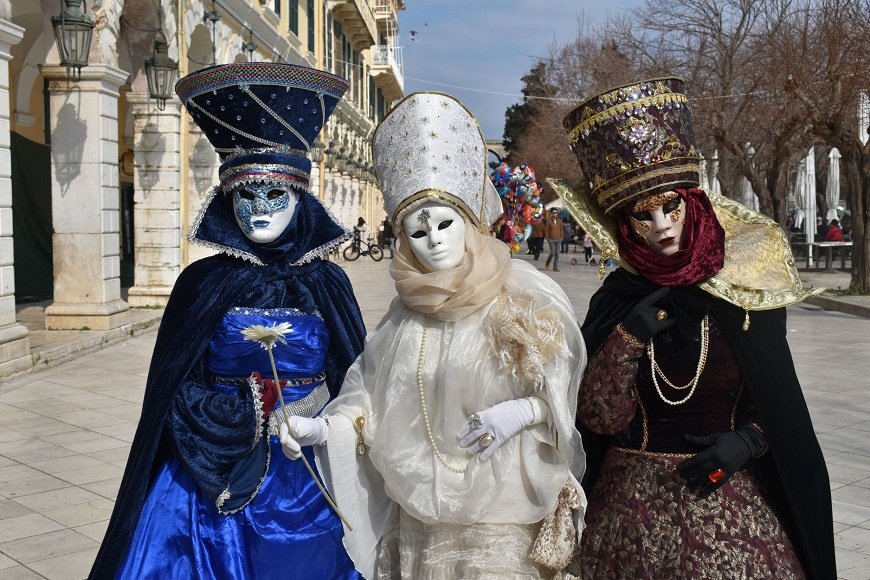
For a more romantic and elegant experience, Nafplio offers a Venetian-style carnival, featuring masquerade balls, live performances, and street entertainment in the city center.

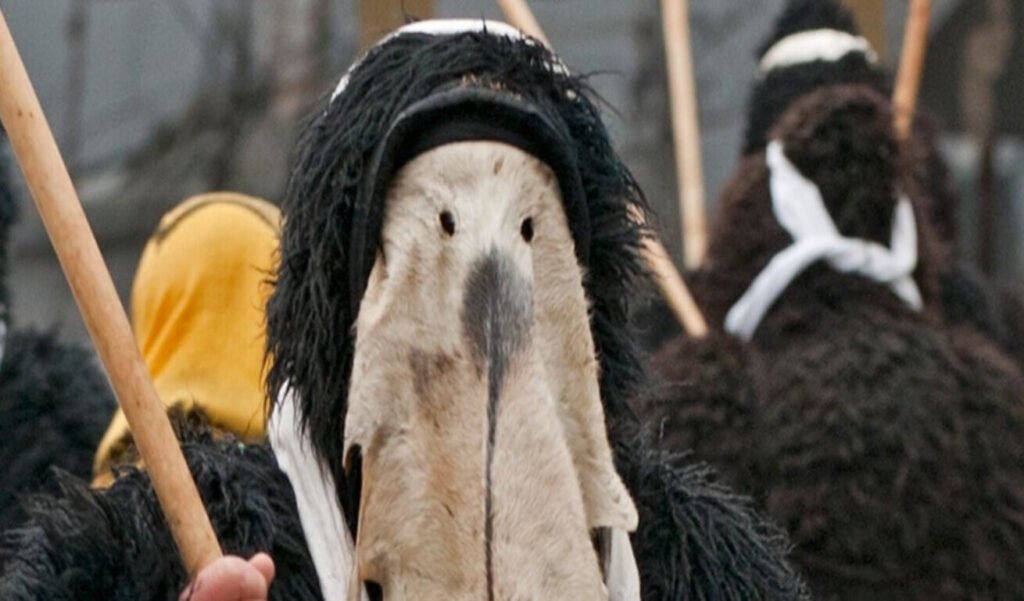
The heart of the Skyros Carnival is the custom of the Old Man (Geros) and Korela, a ritual of Dionysian origin revived from the start of the Pre-Lenten season and repeated every weekend until the final days of Carnival. Masked participants wearing bells, goatskin masks, and traditional costumes roam the streets, while the celebrations culminate with the Trata custom, when islanders dress as sailors and stage a satirical performance around a fishing boat in Hora’s main square.

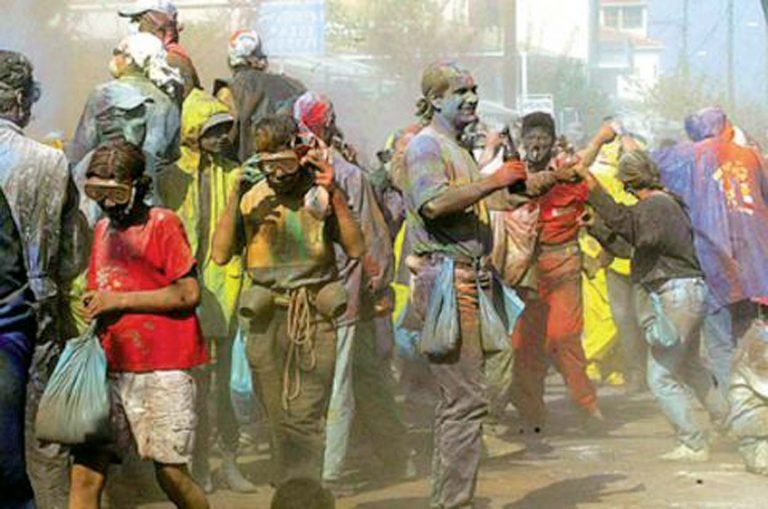
The highlight of Carnival in Galaxidi is the famous Alevromoutzouromata (Flour War), which takes place on the afternoon of Clean Monday. Locals of all ages, dressed in protective suits and masks, flood the town’s narrow streets, throwing colored flour and confetti at one another until everyone—and everything—turns vibrant. The “battle” peaks at the harbor and continues until evening, accompanied by nonstop music, drums, horns, and carnival floats, before ending in spontaneous street feasts. An age-old tradition of uncertain origin, the Flour War remains one of Greece’s most exuberant and communal Carnival customs.

Why Apokries is Special
Apokries is more than parties and food—it’s a living tradition. Every region has its own customs, reflecting local culture, history, and folklore. From Patras’ city-wide celebrations to Galaxidi’s flour fights, Skyros’ “Old Men” parade to Xanthi’s Balkan music, Carnival is a time to celebrate community, heritage, and joy before the fasting period of Lent.
Whether you want to join the parades, try the traditional foods, or simply watch the festivities, Apokries is your chance to experience Greece at its most vibrant and playful.
You might also like:
Kastorian Ragoutsaria: The Very First Greek Carnival of the Year
Easter in Greece: The Ultimate Guide to Greek Orthodox Traditions