

Supercurricular activities are academic experiences that go beyond your school curriculum and deepen your engagement with the subject you hope to study at university. Unlike extracurriculars—which focus on hobbies, sports, or personal development—supercurriculars are directly connected to academic interests and demonstrate genuine intellectual curiosity. They are especially important for applications to Oxbridge, Russell Group universities, and highly competitive courses.
Key Takeaways
- Supercurricular activities are academic experiences that deepen engagement with your subject beyond the school curriculum.
- They are crucial for applications to Oxbridge and competitive courses, demonstrating intellectual curiosity.
- Examples include reading widely, enrolling in MOOCs, attending lectures, and participating in competitions.
- Supercurriculars strengthen personal statements and help you prepare for university-level study.
- Start engaging with supercurricular activities early, focusing on depth rather than quantity.
Estimated reading time: 6 minutes
What Counts as Supercurricular Activity?
Super curricular activities can take many different forms, as long as they clearly extend and deepen what you learn in the classroom. Engaging in these activities early on (for example, from Year 7 onward) helps you build a strong foundation of knowledge, develop independent learning skills, and explore your genuine academic interests. If you truly want to learn more about biology, economics, marketing, creative writing, physiotherapy, engineering, or any other subject, why limit your learning to what happens in lessons alone? Supercurricular activities allow you to investigate ideas more fully, challenge yourself intellectually, and gain insight into how a subject works in the real world. By stepping beyond the boundaries of the curriculum, you not only strengthen your understanding but also demonstrate curiosity, self-motivation, and a willingness to learn independently—qualities highly valued by universities and future employers. So rather than restricting your learning to the classroom, take the opportunity to explore, experiment, and find new ways to grow your academic passions.
1. Reading and Research
Reading widely is one of the strongest ways to develop academic depth.
Examples:
- Books written by academics or subject specialists
- Essays, journals, and review articles
- Primary scientific or historical texts
- Academic magazines (e.g., New Scientist, The Economist, Philosophy Now)
Useful Resources:
- Google Scholar – Access academic papers and citations
- JSTOR (Open Content) – Free academic articles
- Project Gutenberg – Free classic texts
- Stanford Encyclopedia of Philosophy (SEP) – Authoritative philosophy entries
- NASA ADS (Astrophysics) – Astronomy and physics research papers
2. Online Courses (MOOCs)
MOOCs let you explore advanced subjects at your own pace.
Recommended Platforms:
- Coursera
- edX
- FutureLearn
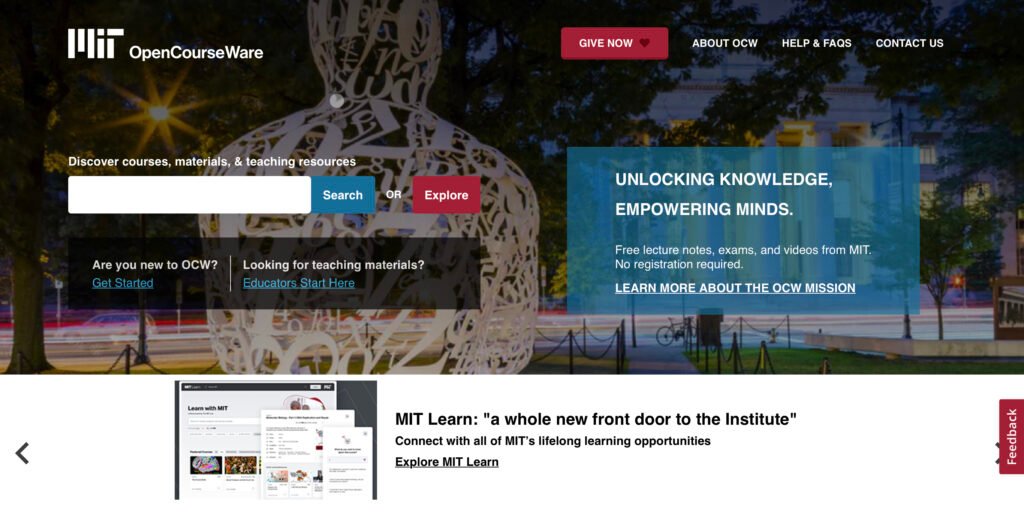
- MIT OpenCourseWare
- Khan Academy (great for foundational reinforcement)
- Udacity (STEM-focused)
3. Lectures, Talks, and Podcasts
Listening to experts exposes you to real academic debates and modern research.
Examples:
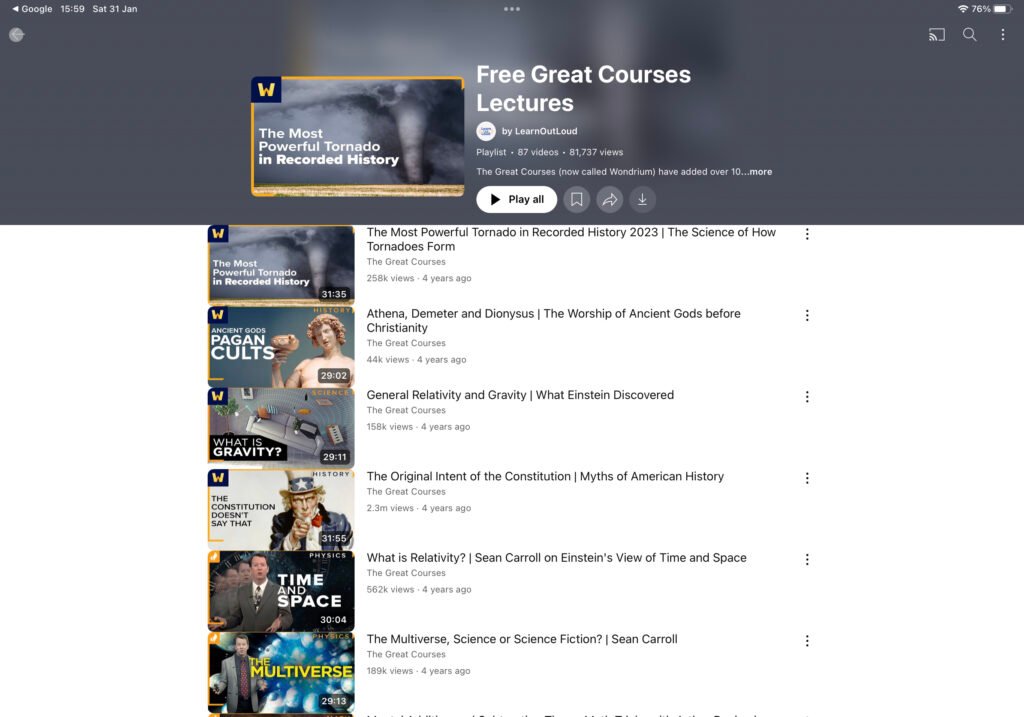
- YouTube University Lectures — e.g., Oxford, Cambridge, Yale, MIT
- Gresham College Lectures (free, high-quality lectures in many subjects)
- Royal Institution Lectures
- TED-Ed and TED Talks (great for broad interest topics)
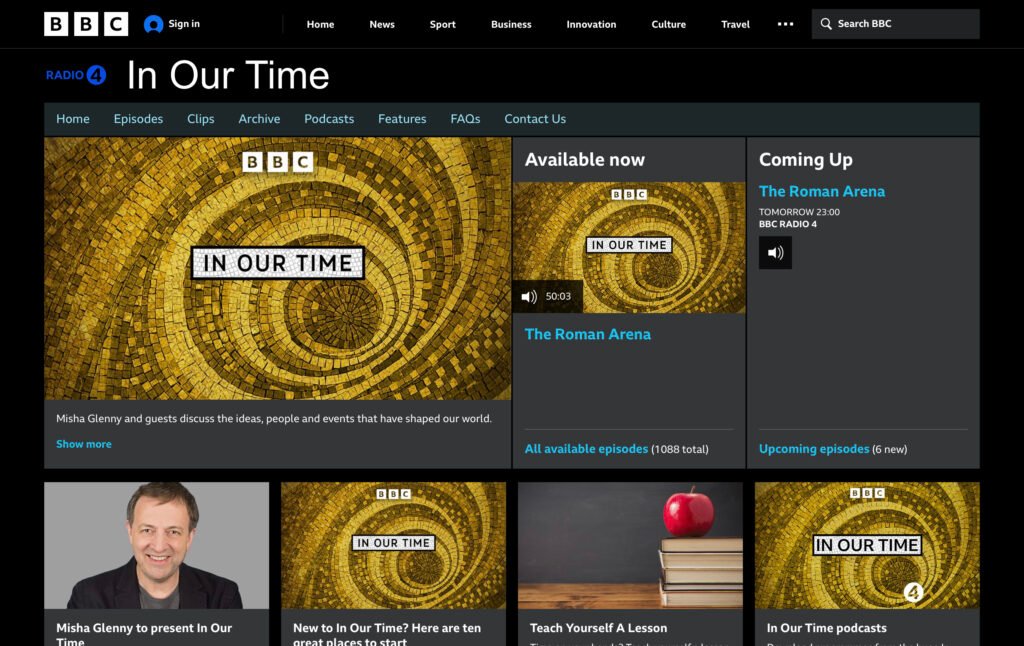
- BBC In Our Time (history, science, philosophy)
- The Guardian Science Podcast
- Lex Fridman Podcast (AI, technology, science conversations)
4. Competitions & Academic Projects
Competitions help you sharpen analysis, writing, and research skills.
Examples:
- Essay competitions:
- STEM Competitions:
- Independent projects:
- Self-driven research projects
- Coding or engineering builds
- Self-driven research projects


5. Work Experience & Real-World Exposure
Hands-on experience demonstrates initiative and the ability to apply knowledge.
Examples:
- Laboratory placements
- Museum internships
- Job shadowing (medicine, law, finance, engineering)
- Research volunteering
- Virtual work experience (e.g., Springpod, Forage)
6. Visits, Exhibitions & Field Trips
Immersive experiences spark curiosity and give you material to reflect on.
Suggestions:
- Museums (e.g., Natural History Museum, Science Museum, V&A, British Museum)
- Galleries (Tate Modern, National Gallery)
- University taster days
- Public debates, theatre performances, historical sites
7. Subject-Specific Platforms & Outreach Programs
Many universities run programs aimed at high-achieving students.
For Oxford & Cambridge:
- Staircase12 (Oxford) – Book recommendations, reading lists
- HE+ (Cambridge) – Subject enrichment materials
- Oxford Research in Schools (OxRSS)
- Sutton Trust Summer Schools – For various universities
STEM:
- Isaac Physics (Cambridge)
- Brilliant.org
- Nrich (Cambridge Maths)
- Royal Society of Chemistry Learn Chemistry
- Geogebra
Humanities / Social Sciences:
- Massolit – Short university-style lectures
- The British Academy resources
- London School of Economics (LSE) Lecture Archive
Why Supercurriculars Matter
1. They Demonstrate Genuine Intellectual Curiosity
Universities want students who love the subject—not those who simply follow a checklist. Supercurriculars show a willingness to learn independently and beyond the curriculum.
2. They Strengthen Personal Statements
Admissions tutors look for evidence-based reflection. Supercurriculars allow you to say:
- What you explored
- What you thought about it
- How it shaped your academic interests
3. They Prepare You for University-Level Study
Supercurriculars build:
- Critical thinking
- Analytical reading
- Essay writing
- Research independence
- Confidence in discussing complex ideas
4. They Can Inform Your Course Choice
Exploring beyond the syllabus helps you figure out:
- What topics excite you
- What you might want to specialise in
- Whether a subject is the right fit
When to Start
You can begin supercurricular engagement at any time, but the ideal time is:
- Early Year 12 (for UCAS applicants)
- During GCSEs if you already have strong interests
Consistency matters more than starting early—universities want to see depth, not quantity.
How to Use Supercurriculars in Applications
To make them meaningful:
- Reflect deeply: What did you learn? How did it change your thinking?
- Connect activities to themes in your subject.
- Show progression: One activity should lead naturally to the next.
- Use the ABC method in your personal statement:
- Action (what you did)
- Benefit (what you learned)
- Connection (why it matters for the course)
- Action (what you did)