

Every year, on the last night of February, my grandmother would sit at the kitchen table with the patience of someone who trusted the seasons. It was always in anticipation of the celebration of March, a tradition in our family.
Outside, winter still lingered. Inside, she held two threads — one red, one white. In this quiet moment, we awaited March’s celebration.
She twisted them slowly between her fingers, as if braiding time itself while thinking about the coming celebration of March.
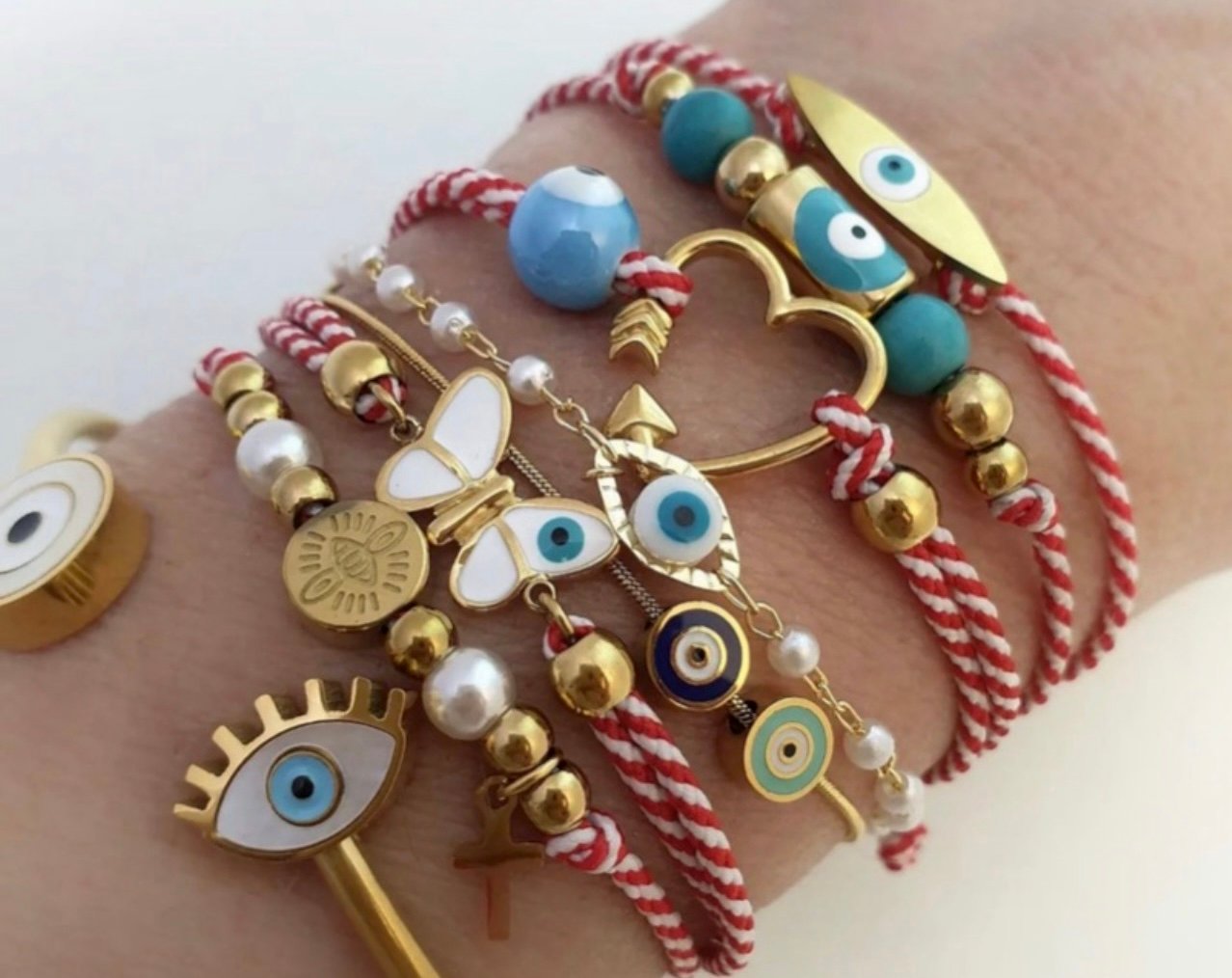
In Greece, we call it Martis. A simple bracelet. A red and white thread tied around the wrist on the first of March. A charm against the early sun. A whisper of protection. A promise that winter is loosening its grip as we mark the March celebration.
But for me, it was never just folklore—it was the annual celebration that made March feel special.
The First of March
On the morning of March 1st, she would call me over. That was the day we truly celebrated March in our own way.
“Έλα εδώ,” she’d say, already smiling.She would tie the bracelet carefully around my small wrist, not too tight, not too loose — the way only grandmothers know how to measure things that cannot be measured, echoing the warmth of the March celebration.
“This will keep the sun from burning you,” she told me. It was a ritual for the celebration of March.
I believed her completely, because the celebration of March meant trust in tradition.
Because in Greece, the March sun is deceptive. It arrives bright and innocent, but it carries the sharpness of change. And children — like blossoms — are tender as the celebration of March welcomes spring.
Red for life, just as the celebration of March promises vitality.
White for light—one more symbol wrapped up in the March celebration.
Protection woven into simplicity; so the celebration of March can guard us as well.
When the Roses Bloomed
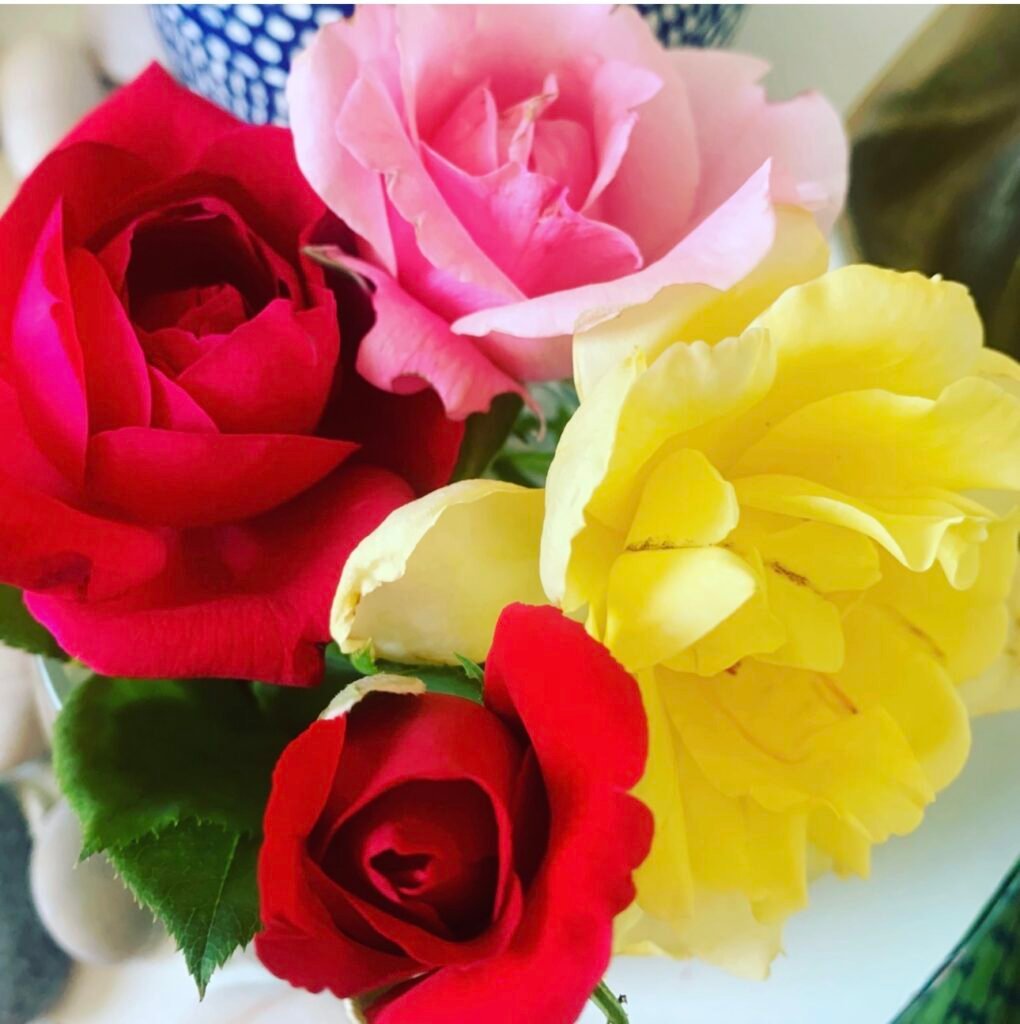
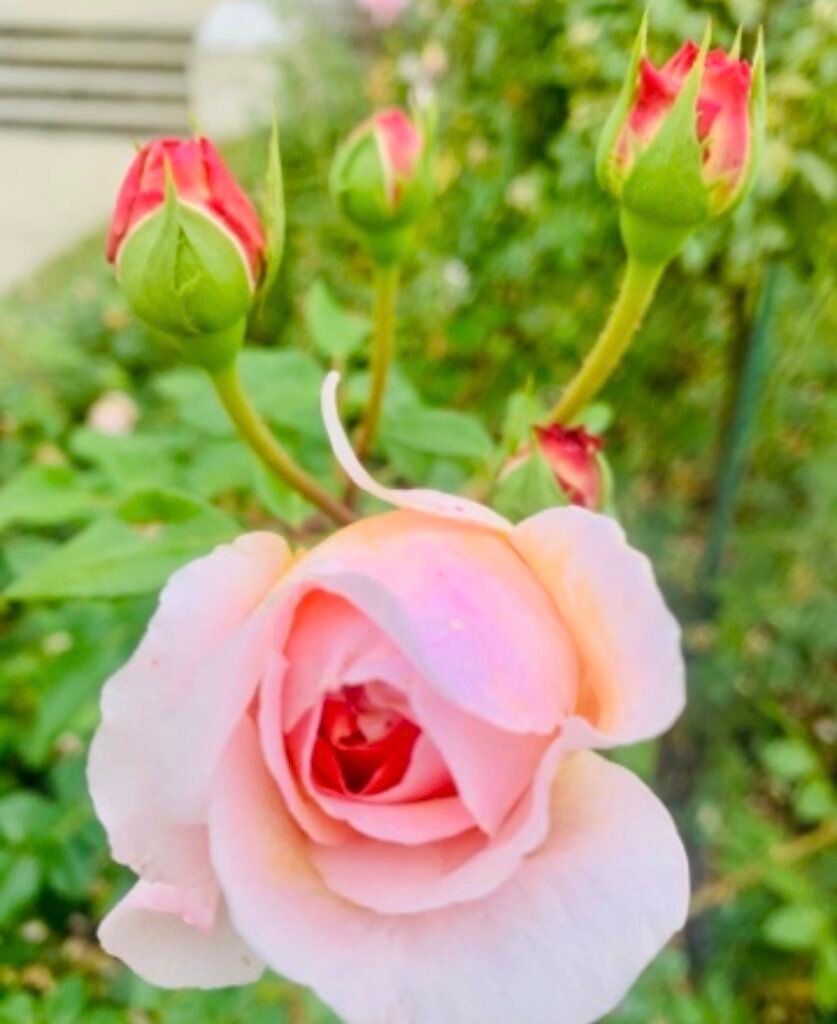
I was not allowed to take it off at the end of the month. In truth, the celebration of March lasted until roses bloomed.
Not by the calendar, but by the celebration of March’s subtle signal.
Only when the first roses bloomed in our garden, did the celebration of March come to its end.
I would run outside every morning, searching the bushes for the smallest sign of pink. The bracelet would grow slightly frayed as the days passed, absorbing soap, sunlight, and play—part of the enduring celebration of March.
Then one morning — there it was. A rose, hesitant but certain. Our family’s celebration of March found its conclusion.
That was the signal that our March celebration could be completed.
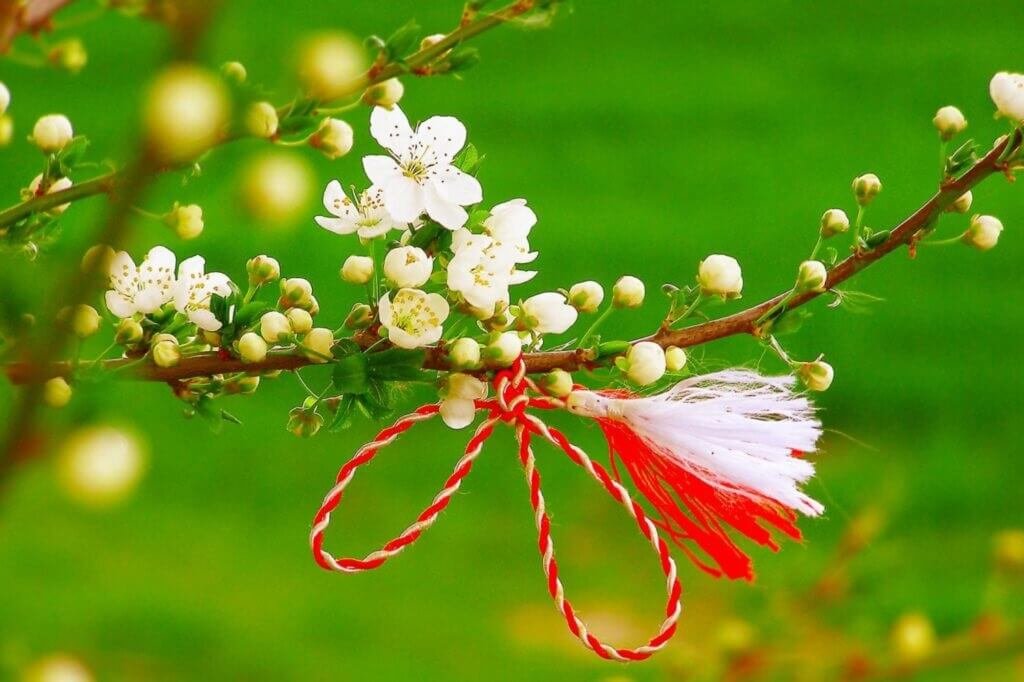
I would remove the bracelet and tie it onto the branch. My grandmother said the swallows might use it for their nests. Or that the tree would bloom stronger. Or maybe she said neither, and I simply invented the magic. With March, the celebration lingered in memory.
It didn’t matter; the spirit of the celebration of March stayed with us.
The ritual was complete. Spring had been confirmed, and so had the celebration of March.
A Balkan Thread
We were not alone in this belief. Across the Balkans, on the same day, wrists were being wrapped in the same colors as part of their own celebration of March.
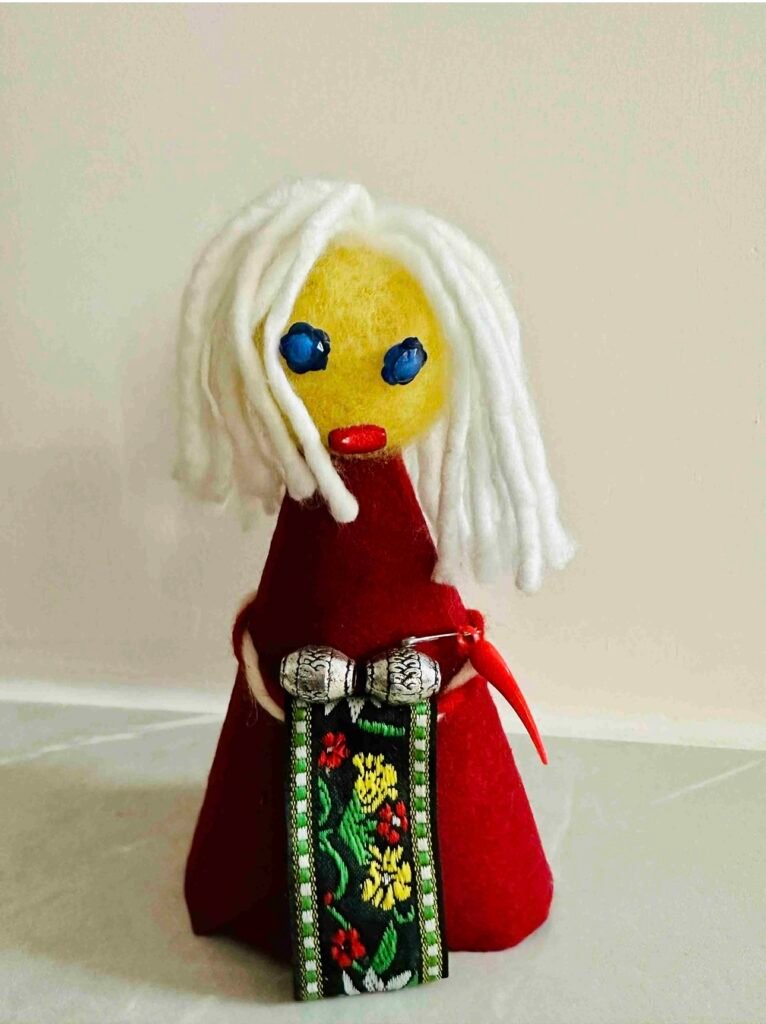
In Bulgaria, they call it Martenitsa. There, too, the celebration of March is meaningful.
In Romania and Moldova, it is Mărțișor. These traditions join in the celebration of March across borders.
Different names. Same hope, and a shared celebration of March.
A red and white negotiation with the unpredictable month of March is a form of celebration for this season.
In a region often defined by its divisions, this fragile thread feels like quiet proof of shared memory—a celebration March brings together.
Superstition or Survival?
As I grew older, I began to see the bracelet differently. Its meaning became intertwined with the March celebration and its superstitions.
Was it truly about the sun, or the celebration of March and its age-old beliefs?
Or was it about control? Perhaps rituals were the celebration of March’s gift of comfort.
My grandmother belonged to a generation that carried many small rituals in their pockets: turning bread upside down meant misfortune, sweeping at night invited poverty, and the evil eye was always closer than we thought. These were all part of our celebration of March, mingling superstition with tradition.
The Martis was one more gentle superstition — a soft shield against uncertainty, celebrated every March.
And perhaps that is what superstition really is: another layer to the celebration March brings with each bracelet.
Not ignorance, but a blend of tradition and the celebration of March’s hope.
But tenderness in the face of the unknown—like the celebration March offers each spring.
It belongs to the long, intricate fabric of Greek superstitions — those quiet practices that survive modernization, logic, and even skepticism. We may laugh at them. We may question them. Yet we continue to perform them, especially during the celebration of March.
Because rituals give rhythm to uncertainty, and so does the celebration of March every year.
The Tradition Today
Historically, the Martis bracelet is believed to have roots in ancient spring rituals connected to protection from the sun and seasonal transition. The celebration of March links these threads to older Mediterranean protective charms.
In many parts of Greece, the bracelet is removed at the end of March, or when the first swallow is seen. In some regions, it is burned in the flame of the Easter candle. In others, it is tied to blooming trees, especially roses, so that birds may use it for their nests — and so that the tree may carry a bit of human hope into its flowering. These rituals all form part of the modern celebration of March.
Today, children still wear it to school. Artisan versions are sold in markets. Diaspora Greeks tie it onto their children’s wrists in cities far from home. The thread travels — but the meaning remains. This enduring tradition is the celebration of March repeated year after year.
The Thread I Still Wear
I no longer wait for my grandmother’s hands, but the celebration of March endures within me.
But every March 1st, I find myself twisting red and white thread together, continuing the celebration of March alone.
I tie it around my own wrist, marking another celebration March offers.
Not because I fear the sun, but because the celebration of March is rooted in memory.
But because somewhere inside me, spring still begins in her kitchen, and the celebration of March lives on.
And because some superstitions are not meant to be outgrown, they are part of the March celebration every year.
They are meant to be remembered along with the celebration of March, echoing through generations.