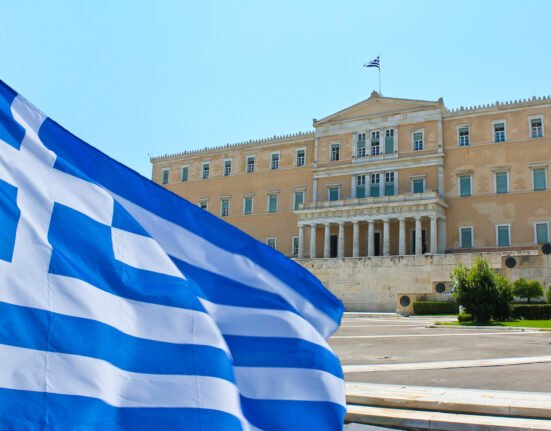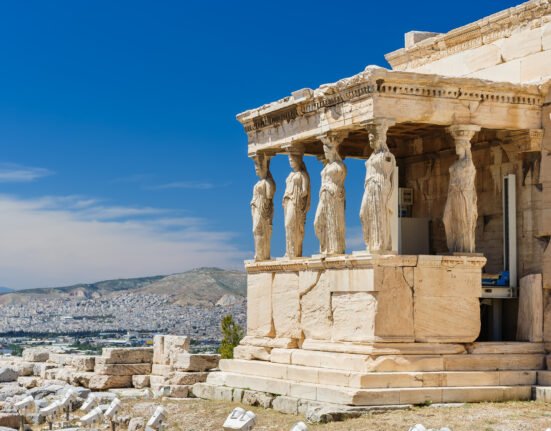

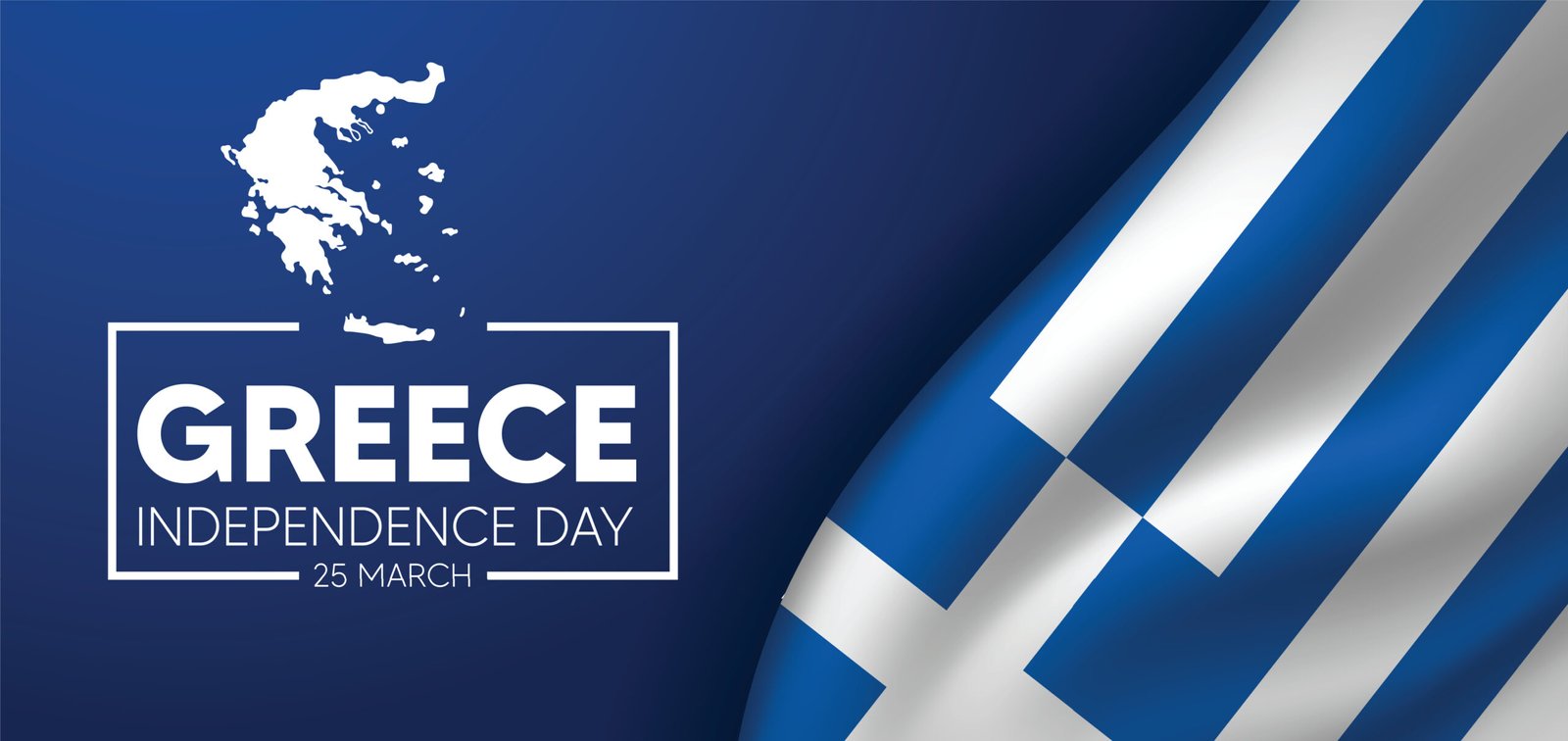
Greek Independence Day, celebrated on 25 March, marks one of the most important dates in Greece, combining both a national commemoration and a religious celebration. On this day, Greeks honour the Greek War of Independence of 1821 while also celebrating the Annunciation of the Virgin Mary, creating a powerful symbol of faith and freedom that continues to shape Greek identity today.
Across Greece, the day is marked by school and military parades, official ceremonies, and the widespread display of the Greek flag. Military units and naval vessels raise the flag from 23 March until sunset on 25 March, while military facilities and ships are illuminated during the evenings of 24 and 25 March, reinforcing the ceremonial atmosphere of the national celebration.
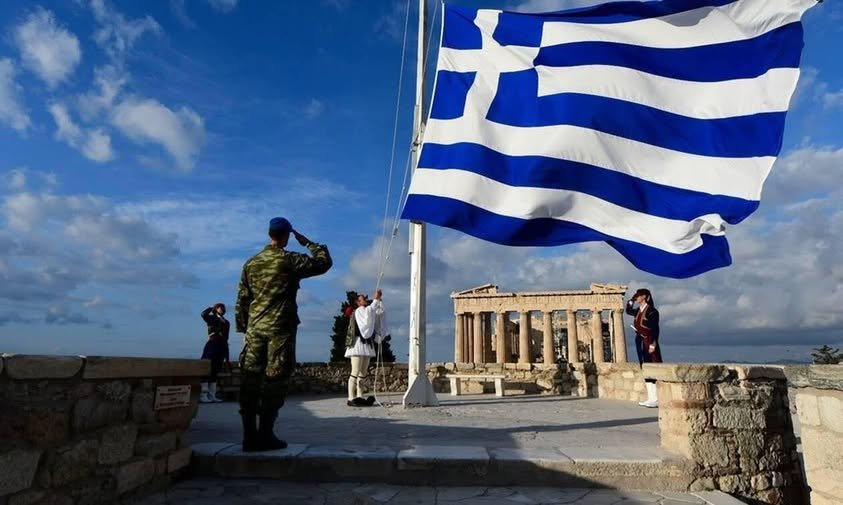
Greek Independence Day and the War of Independence
The Greek War of Independence (1821–1830) was a long and complex struggle that combined heroic resistance, internal divisions, and decisive international intervention. It marked a turning point for Greece, leading to the creation of an independent state after nearly four centuries of Ottoman rule.
The roots of the uprising stretch back long before 1821. For nearly four centuries after the Fall of Constantinople in 1453, Greeks lived under Ottoman rule. Despite the loss of political independence, Greek identity endured through language, religion, education, and strong community networks. By the late eighteenth century, Enlightenment ideas and the growth of Greek merchant communities strengthened calls for independence.
To understand this historical background in greater depth, you can explore the Ottoman period in our timeline here:
Ottoman Era (1453–1821 CE)
https://xpat.gr/a-quick-guide-to-greek-history-for-foreign-residents-in-greece/#ottoman-era
A decisive step toward independence came with the founding of the Filiki Eteria in Odessa in 1814. The first military action followed on 22 February 1821, when Alexandros Ypsilantis launched an uprising in the Danubian Principalities. Although unsuccessful, the movement quickly spread to mainland Greece.
In March 1821, the Maniots were among the first to openly revolt. Soon afterward, forces led by Theodoros Kolokotronis liberated Kalamata on 23 March 1821, and uprisings spread across the Peloponnese, Central Greece, and several islands.
Early successes strengthened the revolutionary cause. The capture of Tripolitsa in September 1821 was particularly significant. During the struggle, key figures emerged, including Theodoros Kolokotronis, Athanasios Diakos, Georgios Karaiskakis, and Markos Botsaris. At sea, leaders such as Laskarina Bouboulina, Andreas Miaoulis, and Konstantinos Kanaris played an important role.
Greek independence was formally recognized in 1830, and in 1832 the borders of the new state were established, marking the re-emergence of a sovereign Greek nation.
Although the uprising had begun earlier, 25 March 1821 gradually became the symbolic date associated with the nationwide movement. Its alignment with the Feast of the Annunciation, which also falls on 25 March, gave the date powerful meaning and reinforced the connection between faith and freedom.
You can explore the full historical developments in our timeline here:
Greek War of Independence of 1821 (1821–1830)
https://xpat.gr/a-quick-guide-to-greek-history-for-foreign-residents-in-greece/#greek-war-1821
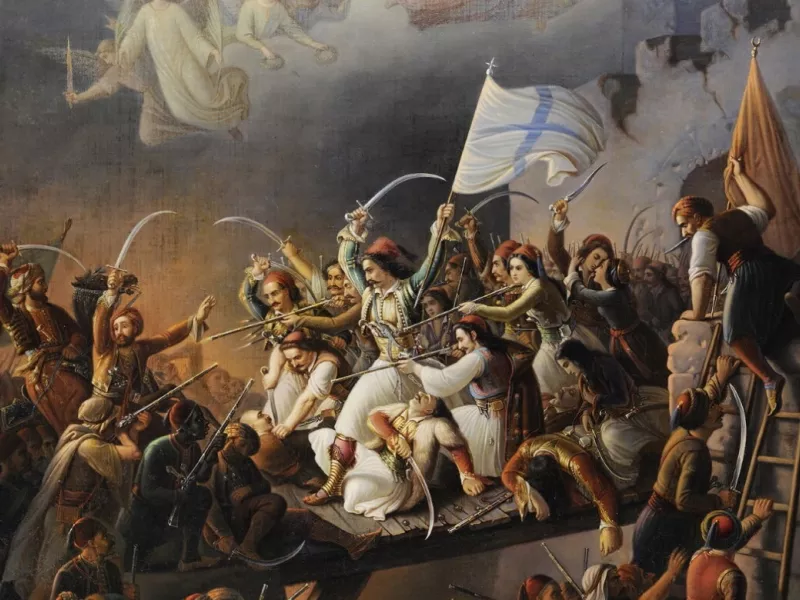
The Exodus of Missolonghi (1853), by Theodoros Vryzakis
This iconic painting depicts the heroic escape of the besieged defenders of Missolonghi on 10 April 1826, one of the most dramatic moments of the Greek War of Independence.
This year marks 200 years since the heroic Exodus of Missolonghi, a powerful symbol of sacrifice, courage, and the struggle for freedom that stirred philhellenic support across Europe and remains deeply embedded in Greek national memory.
The Religious Celebration: The Annunciation
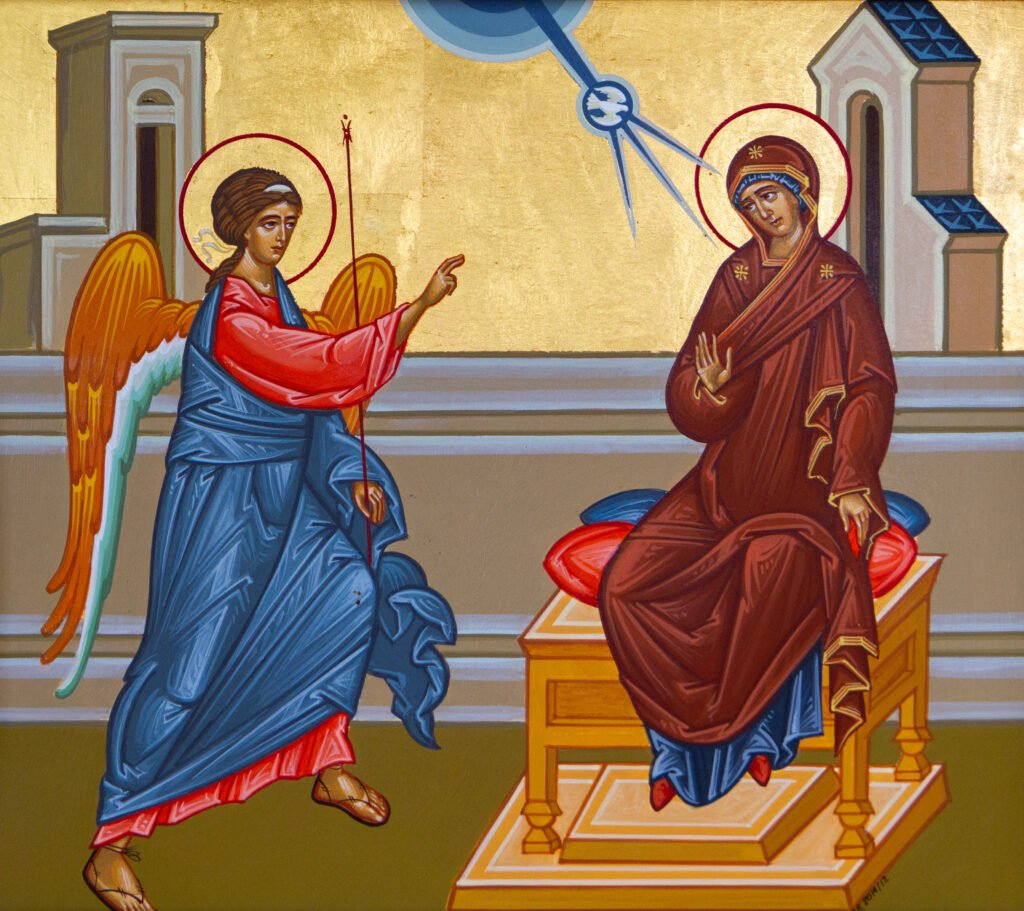
The 25th of March is also one of the most important religious celebrations in the Greek Orthodox calendar. The Feast of the Annunciation (O Evangelismós tis Theotókou) commemorates the visit of the Archangel Gabriel to the Virgin Mary, during which he announced that she would give birth to Jesus Christ.
The celebration symbolizes hope, renewal, and a new beginning, and churches across Greece hold festive liturgies to mark the occasion.
The decision to associate Greek Independence Day with this religious celebration was not accidental. By linking the uprising of 1821 with the Annunciation, the date came to represent both national liberation and spiritual renewal. The symbolism of a new beginning reflected the aspirations of a people seeking freedom after centuries of Ottoman rule, while the strong connection between Greek identity and Orthodoxy reinforced unity and resilience during the revolutionary period.
This dual meaning helped establish 25 March as a powerful national symbol, blending faith, history, and identity into a single day of commemoration.
The Greek word Evangelismos means “good news” or “announcement,” referring to the message delivered by the Archangel Gabriel. From this same root come the names Evangelos and Evangelia, which is why those bearing these names celebrate their name day on 25 March, adding a personal and festive dimension to the national and religious celebration.
After the Parades: The Traditional Table
Following the parades and religious ceremonies, the traditional table holds a central place in the day’s celebrations. The food of 25 March reflects religious tradition, historical realities, and long-standing customs that continue to shape Greek life today.
Although the day falls during Lent, the Church allows the consumption of fish in honour of the Annunciation. For this reason, the most characteristic dish of the day is bakaliaros with skordalia — a traditional Greek feast of crispy fried cod with skordalia (garlic potato dip).
The tradition dates back to earlier centuries, when fresh fish was not easily available inland. Salted cod, which could be preserved for long periods, became an ideal solution and gradually established itself as the traditional dish of the day.
Families gather for lunch after the parades, either at home or in tavernas. If the weather permits, many people head to seaside locations, while others take advantage of the public holiday for a short outing or getaway. The atmosphere shifts from ceremonial to festive, reflecting the dual nature of the day itself.

To see how this date fits within the broader calendar, you can also read:
Public Holidays in Greece (2026–2030): Complete Guide
https://xpat.gr/public-holidays-in-greece-2026-2030-complete-guide/
The 25th of March remains one of the most meaningful days in Greece, bringing together history, faith, and tradition in a celebration that continues to resonate across generations.