


I recently watched Hamnet, and as someone who has always been a fan of William Shakespeare, I expected to be moved by the emotional depth of the story. What I did not expect was how much I would appreciate the film’s subtle reference to Greek mythology. One moment that particularly stayed with me was the mention of the myth of Orpheus and Eurydice—said to be Shakespeare’s favorite myth in the story.
For those familiar with Greek mythology, the tale of Orpheus and Eurydice is one of the most powerful stories about love and loss. Orpheus was a legendary musician whose music was so beautiful that it could move animals, trees, and even stones. He fell deeply in love with Eurydice, and the two were married. But their happiness was short-lived. Soon after their wedding, Eurydice was bitten by a snake and died, her soul descending to the Underworld ruled by Hades and Persephone.
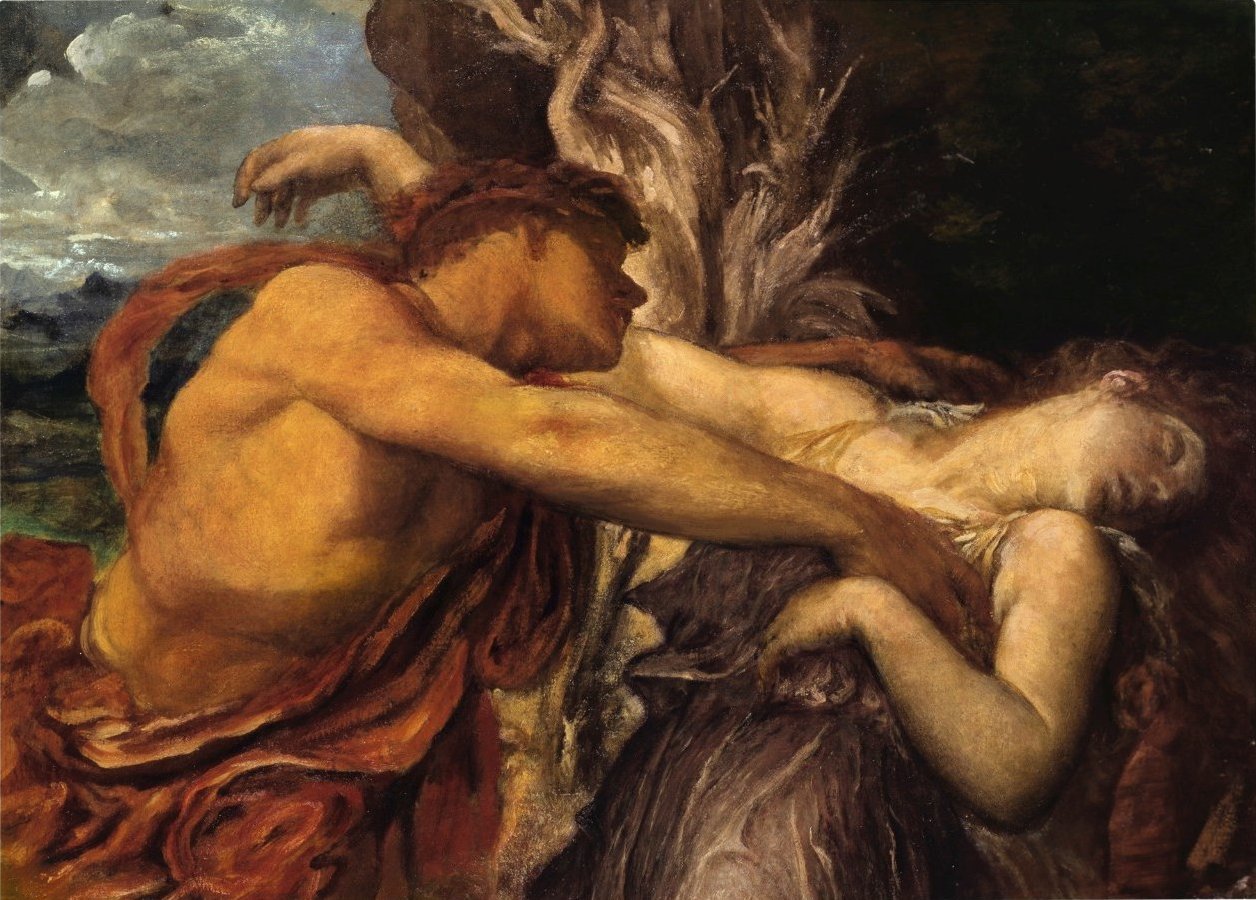
Unable to accept her loss, Orpheus did something no mortal had dared to do before: he traveled to the Underworld to bring her back. When he played his lyre there, his music was so moving that even Hades and Persephone were touched by his grief. They allowed Eurydice to return to the world of the living—but with one condition. Orpheus had to walk ahead of her and not look back until they had both reached the surface.
As they made the long journey out of the darkness, doubt crept in. Orpheus could not hear Eurydice’s footsteps behind him and feared she might not be there. Just before reaching the exit, he turned around to look at her—and in that instant she vanished forever, pulled back into the Underworld.
Hearing this myth referenced in Hamnet felt particularly meaningful to me. The film explores grief, memory, and the impossibility of reversing loss after the death of Shakespeare’s young son. The myth of Orpheus mirrors that same longing: the deeply human desire to bring back someone we love.
What I found most beautiful in that moment is how naturally Greek mythology still appears in modern storytelling. These ancient stories continue to influence literature, theatre, and cinema centuries later. They remain powerful because they explore emotions that are universal and timeless.
Watching Hamnet reminded me that mythology is not just something we study in books. It is a living cultural language that artists still use to express love, grief, and hope. And perhaps that is why the story of Orpheus still resonates today—because, like Shakespeare’s tragedies, it reminds us that even when loss cannot be undone, storytelling helps us understand it.