
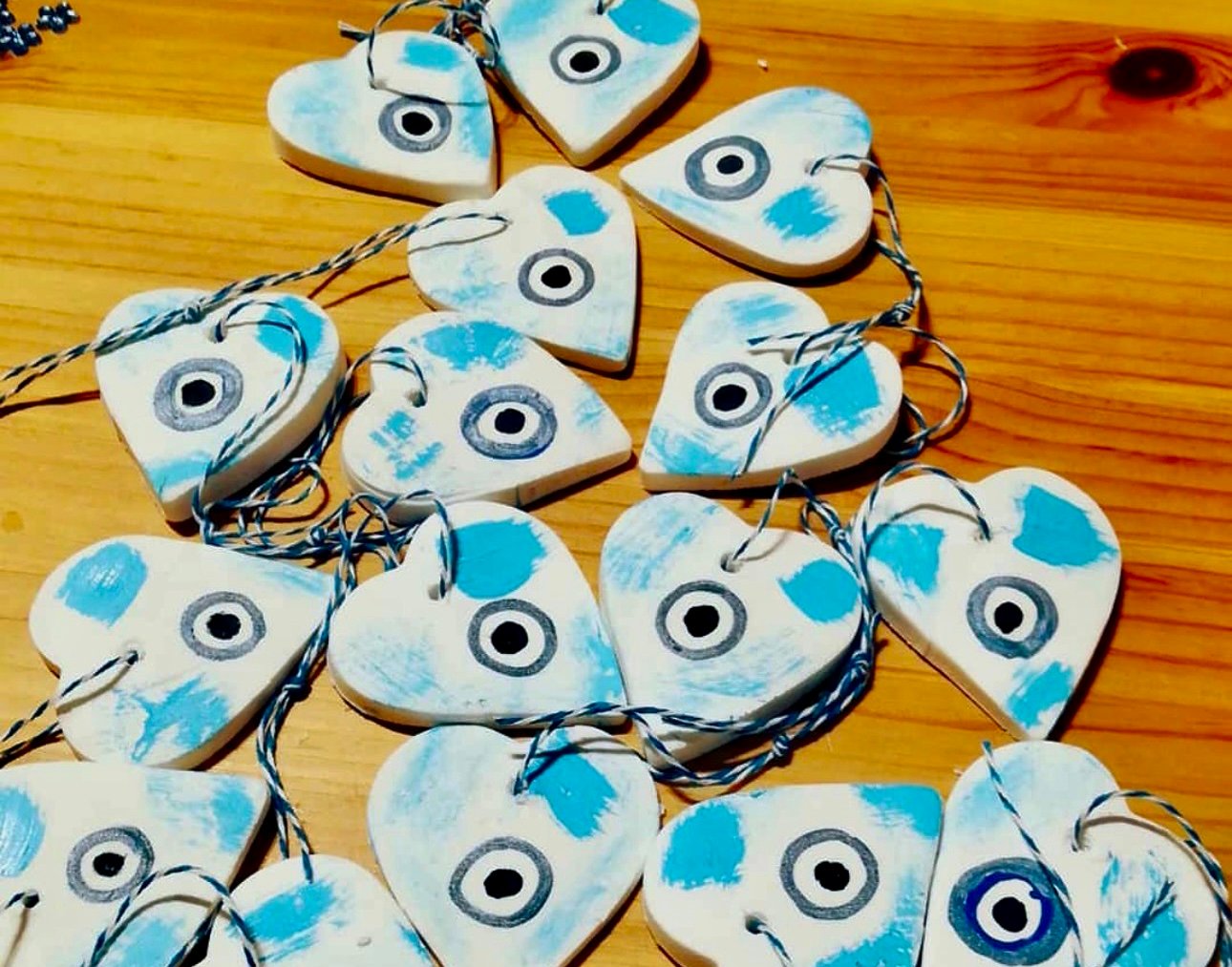
Growing up in Piraeus, my childhood unfolded between two worlds — the bustling chaos of the port outside and the quiet, fragrant magic of my grandmother Maritsa’s pharmacy. You could say my life was shaped by Inside Greek Superstitions: My childhood with mixed science with magic. While other children were taken to parks to play, she took me to her workplace. It was a tiny sanctuary filled with amber bottles, the scent of chamomile, and drawers stuffed with herbs she treated like old friends. In truth, my whole outlook was crafted from the intertwining of science and magic in daily rituals. This is just as Inside Greek Superstitions: My childhood with mixed science with magic suggests.
She was, officially, a pharmacist. Unofficially, she was something between a healer, a therapist, a neighbourhood secret-keeper, and what many affectionately called a modern witch. She never objected. If anything, she embraced it. Her scientific training and her superstitions didn’t cancel each other out — they blended beautifully, like an old remedy passed down through generations. This was reminiscent of a childhood spent inside Greek superstitions, where magic and the science mix seamlessly.
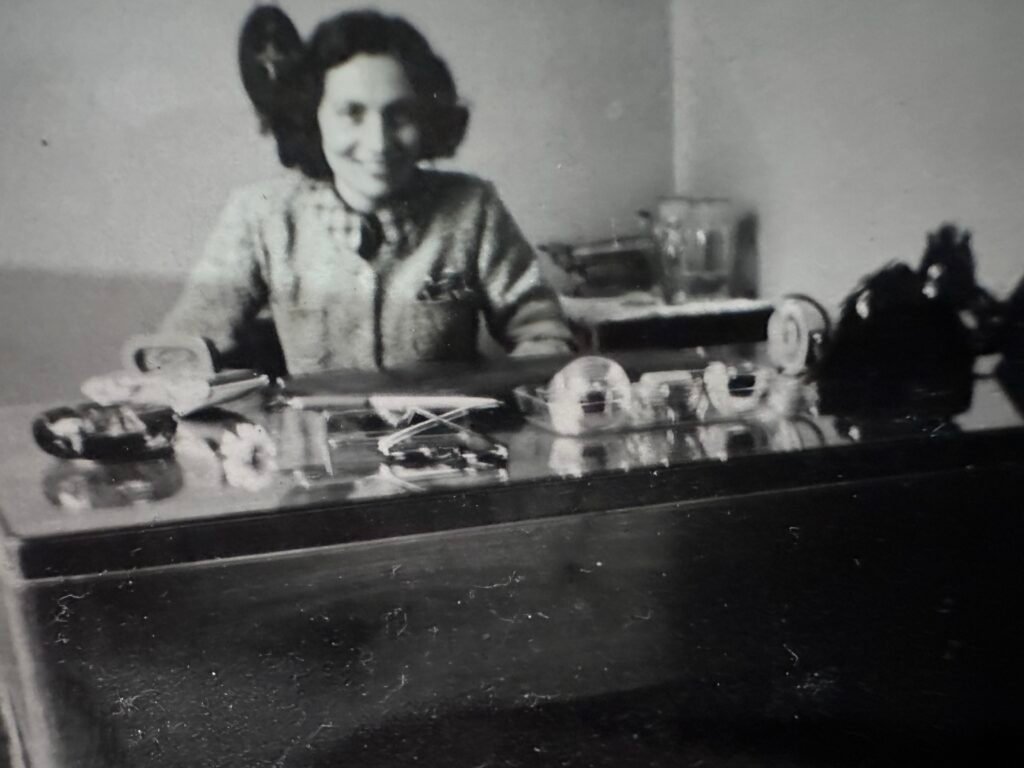
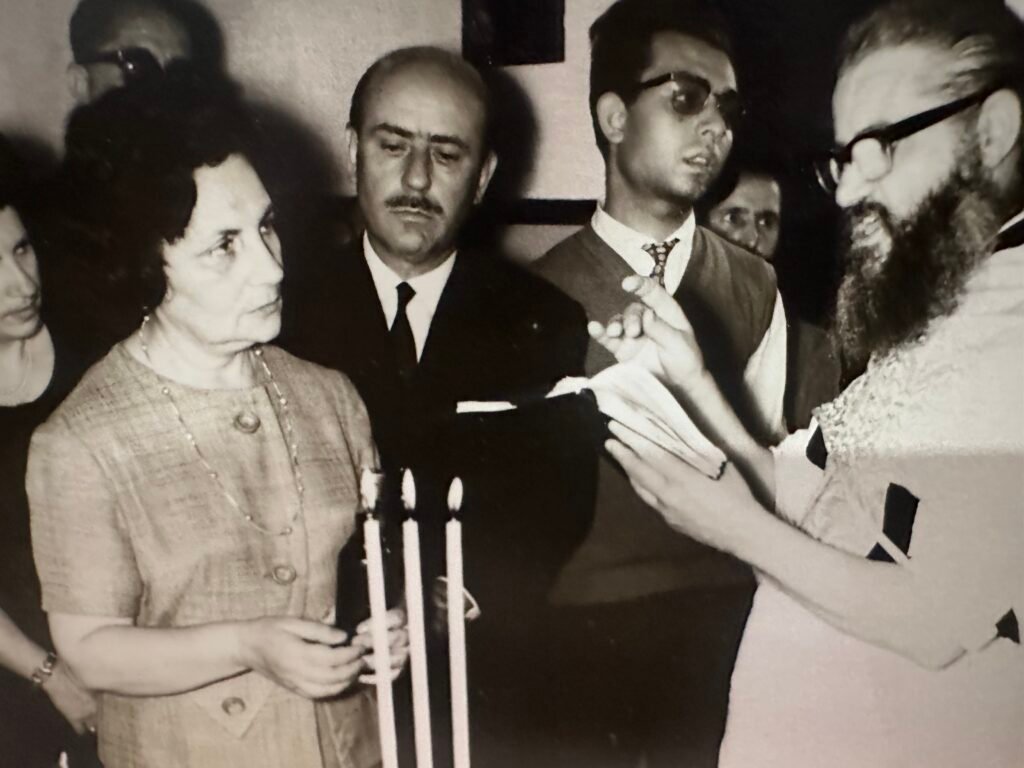
In that pharmacy, she taught me the “magic” of plants long before I learned the formal science behind them. She showed me how to crush dried leaves between my fingers and smell their bitterness. She also taught me how to heat beeswax and olive oil until they fused into something soothing. In addition, she taught how peppermint cleared the mind and how lavender calmed a household. She would mix balms and creams for women who couldn’t afford expensive cosmetics. In fact, she was creating what was essentially her own little brand long before branding became a thing. She didn’t do it for money — she did it out of love, out of the joy of helping, out of the deep-rooted Greek belief that healing begins with generosity. In fact, my experiences with Maritsa felt like a true journey inside Greek superstitions. My childhood moments mingled with mixed science and magic.
The closets had to remain firmly closed and nail cutting was forbidden after sunset
And yet, for all her knowledge of compounds and dosages, her superstitions ruled the house like unbreakable laws. The closets had to remain firmly closed, as if a slightly open wardrobe might unleash a mythological creature. Nail cutting after sunset was forbidden — not discouraged, forbidden — because it invited trouble, though she never quite explained what kind. I learned early on that questioning such things was pointless. You simply followed them the way you followed gravity. Evidently, Inside Greek Superstitions: My childhood with mixed science with magic ran through every lesson she taught. It blended safety and mysticism seamlessly.
The rule of the half-empty plate was delivered with even greater intensity. “Don’t leave your food unfinished,” she would say. “It brings misfortune.” It wasn’t until much later that I understood the emotion behind it — a superstition born from post-war scarcity. She wasn’t trying to frighten me; she was teaching me gratitude in the only way she knew how. Clearly, magic combined with science right alongside my childhood memories fits inside Greek superstitions in our home rituals.
But no superstition was as theatrical as the funeral office ritual. Every time we walked past one, she stopped, gave me a look of solemn importance, and instructed me to pull my hair three times. This was to protect myself, she said. It was also to keep misfortune at bay. Additionally, it was to acknowledge the thin line between life and loss. And there I was, a young child obediently tugging at my hair on a Piraeus sidewalk while pedestrians stared in disbelief. Yet my grandmother acted like it was the most ordinary thing in the world. My experience can only be described as inside Greek superstitions, where science and childhood magic intertwined.
Of course, the mati — the evil eye — was the thread that connected all of her beliefs. If I came home with a headache, she blamed a jealous glance. If I felt tired, someone had “given me the eye.” She would recite her secret prayer in a low voice, the same one every Greek grandmother insists is known only to her. While doing that, she dropped oil into water like a scientist performing an experiment powered entirely by love. Thus, Inside Greek Superstitions: My childhood with mixed science with magic provided the foundation for these family traditions.
Did you know that each household in Greece has their own set of superstitions? Click to find out more here
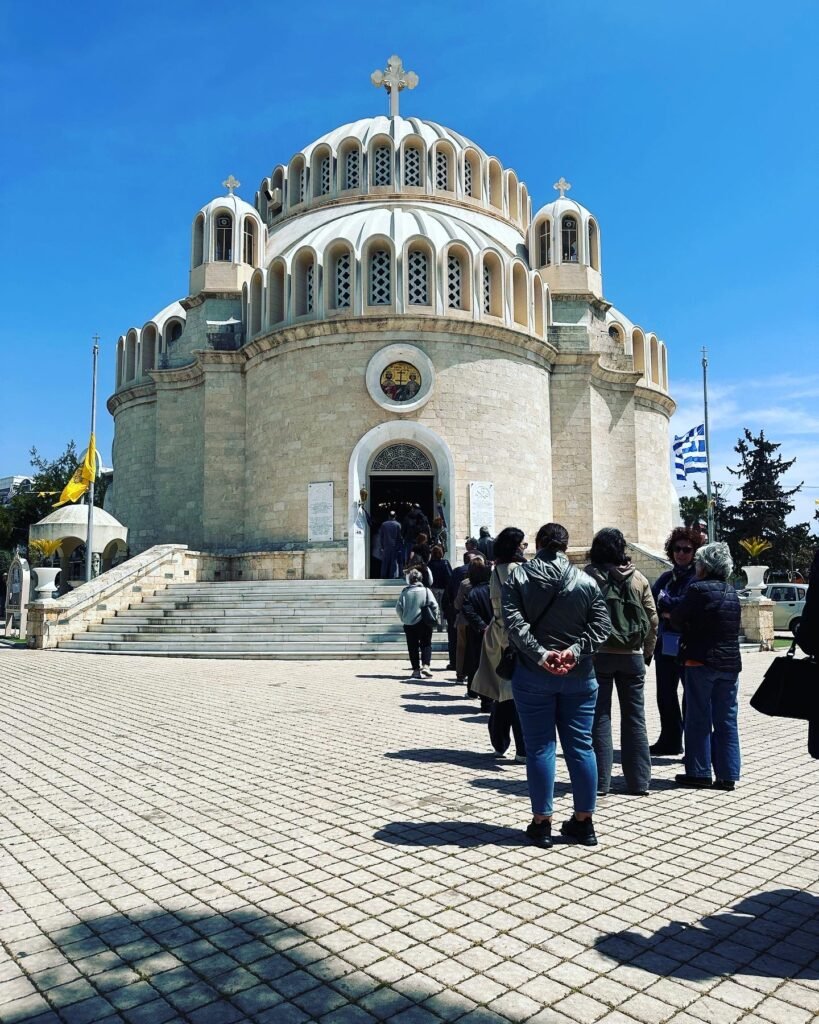
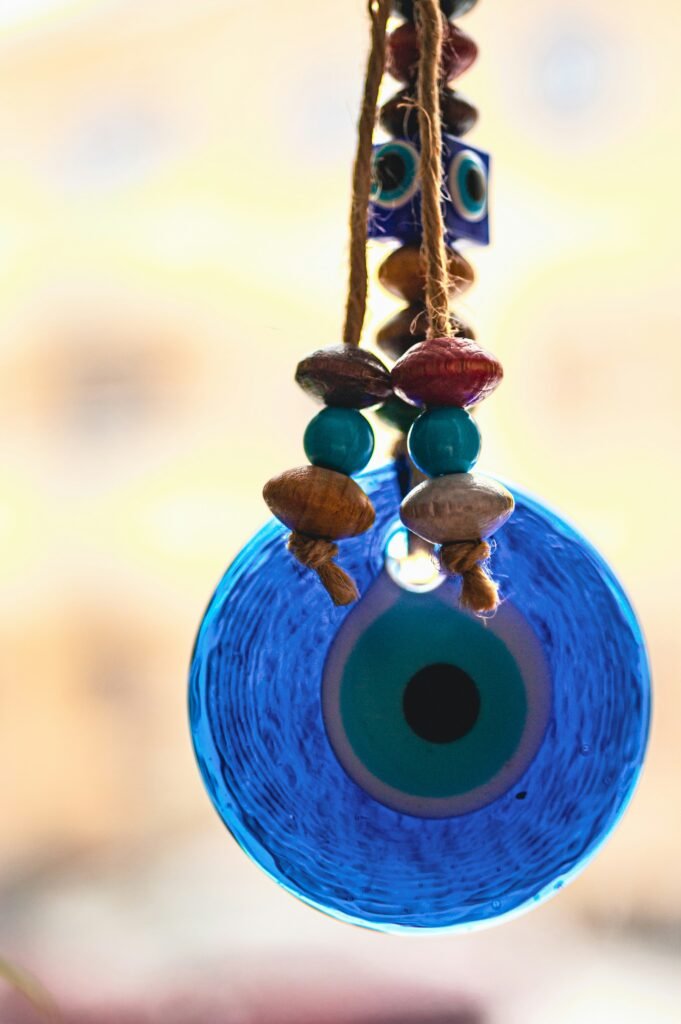
Looking back, her world seems like a greek kilim woven from two distinct threads: one made of science, structure, and precise measurements, and the other made of mystery, ritual, and inherited tales. She moved effortlessly between them, teaching me that a person could believe in chemistry and still trust in the unseen. She was proof that logic and tradition don’t have to argue — they can co-exist, blending into something richer and more human. Ultimately, Inside Greek Superstitions: My childhood with mixed science with magic is the best way to describe these memories.
Maritsa healed people with medicine, but she protected them with the stories and superstitions that had protected her own heart through harder times. All of those lessons — from the closed closets to the pomegranate seeds of New Year’s — became part of me, not as rules to obey, but as memories dense with love, humour, and the quiet wisdom of a woman who lived between two worlds. And so, it seems my time inside Greek superstitions and my childhood mixed with science and magic still shape me today.