

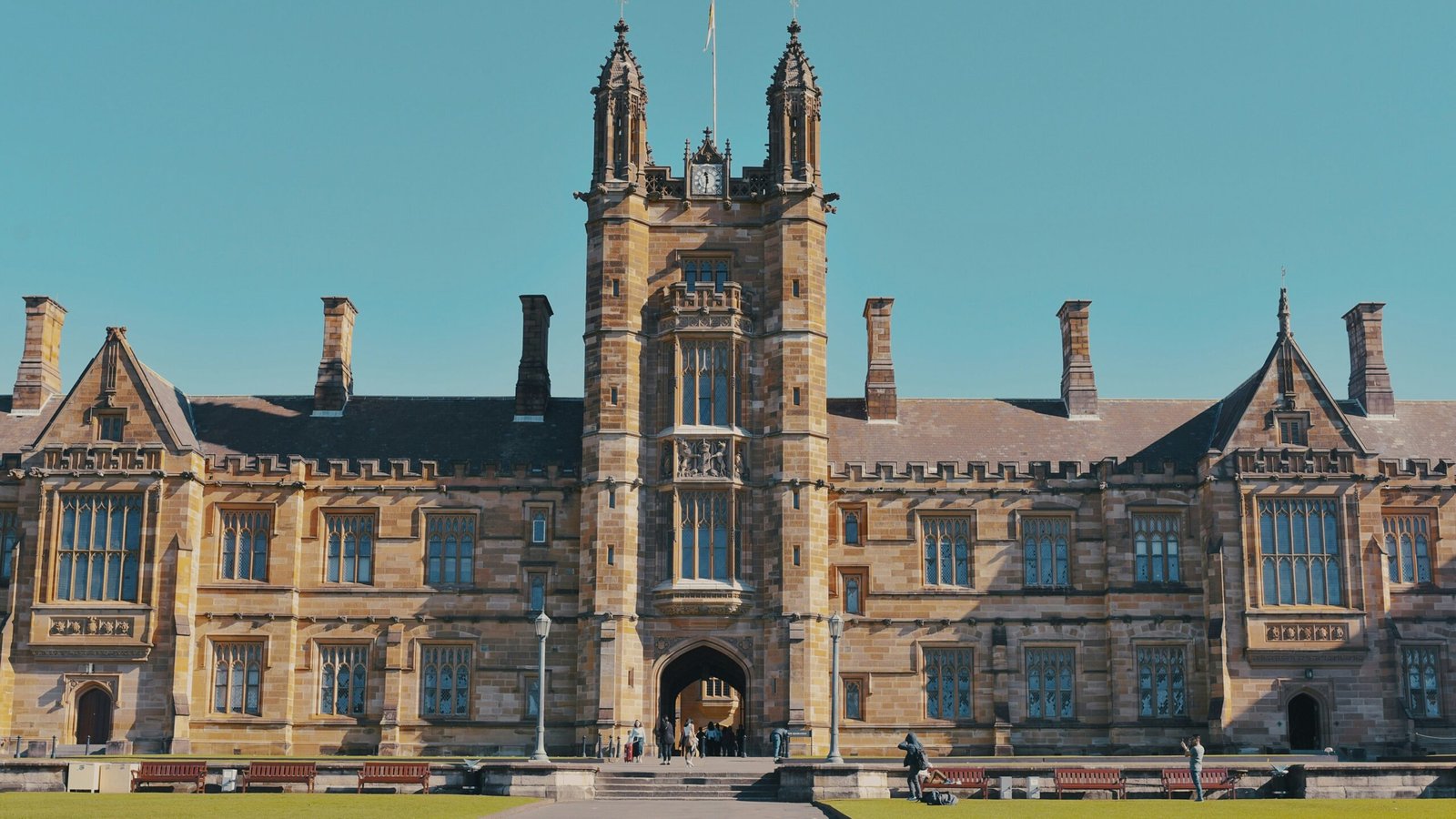
In January 2026, TIME published its first-ever World’s Top Universities of 2026 ranking — a comprehensive global assessment developed in partnership with Statista. This new list doesn’t just showcase prestigious institutions; it reflects deeper trends in how universities contribute to scholarship, innovation, and global engagement.
Key Takeaways
- In January 2026, TIME published its first ever World’s Top Universities of 2026 rankings, highlighting deeper trends in academic contribution.
- The rankings focus on three core pillars: Academic Capacity & Performance (60%), Innovation & Economic Impact (30%), and Global Engagement (10%).
- Students should consider how geography, access to global networks, and university support affect their career prospects.
- The rankings reveal issues of prestige versus access, emphasising the need for equity in higher education.
- While rankings are influential, students should evaluate them alongside personal goals and other metrics for a balanced decision.
Estimated reading time: 4 minutes
For students, families, educators, and professionals worldwide, this ranking offers actionable insight into higher education in an era shaped by globalization, economic shifts, and evolving definitions of academic success.
How TIME Built the 2026 Global Ranking
The methodology behind TIME’s 2026 ranking sets it apart by focusing not just on reputation but on measurable impact across three core pillars: Academic Capacity & Performance, Innovation & Economic Impact, and Global Engagement.
Three Key Dimensions
- Academic Capacity & Performance (60 % of the score)
This largest component measures:
- Research output (publications and citations)
- Faculty distinction (including highly cited researchers, Nobel and Fields Medal laureates)
- Resources devoted to education (faculty-to-student ratios, funding indicators)
- Adjustments for regional and national economic context
- Research output (publications and citations)
- Innovation & Economic Impact (30 %)
This pillar emphasizes how universities contribute to real-world applications:
- Patents and intellectual property value
- Online course offerings and public education impact
- Graduate outcomes, including leadership in major global companies
- Digital reach (website traffic as an indicator of influence)
- Patents and intellectual property value
- Global Engagement (10 %)
This measures internationalization through:
- Enrollment of international students
- Presence of international faculty
- Global interest in the university’s research and offerings
- Enrollment of international students
Data and Normalization
To ensure fairness across regions and national reporting standards, TIME and Statista combined university submissions with publicly available data from global and national sources, then normalized results to account for differences in size, economic context, and institutional reporting practices.
This methodology aims to balance absolute performance with relevant context, giving a more nuanced picture of what makes a university “top” on the global stage.
You can read the full methodology on TIME’s site here
What the Rankings Tell Us About Higher Education Today
Global Mobility and Opportunity
The list underscores how geography and global engagement matter more than ever. Students today aren’t just weighing local reputation — they’re thinking about:
- worldwide career prospects
- cross-border research collaborations
- access to international networks and internships
Top universities aren’t just academic engines; they’re gateways to mobility and opportunity.
Prestige vs. Access
The ranking reveals a persistent reality: elite universities (especially in the U.S. and U.K.) maintain tremendous influence and outcomes, but many still serve disproportionately privileged populations. This raises critical questions about accessibility and equity in higher education.
Impact Beyond Academics
With innovation and economic impact explicitly measured, the ranking acknowledges that universities today must produce graduates who contribute tangibly to the economy — whether through entrepreneurship, research commercialization, or leadership roles in major industries.
How Students and Families Can Use These Rankings
While global rankings are influential, they shouldn’t be the only factor in deciding where to study or work. Here are practical ways to interpret and use the data:
Focus on What Matters to You
Ask:
- What programs and majors align with your interests?
- How does the university support career preparation?
- Is there strong global mobility for graduates?
Consider Affordability and Fit
Top-ranked schools often have excellent outcomes, but they can also be expensive and competitive. Look for institutions that offer financial aid, scholarships, or solid career services.
Look Beyond a Single Ranking
Different rankings emphasize different things. For instance:
- THE World University Rankings spotlight teaching, research, and reputation using a different set of indicators from TIME’s methodology.
- QS World University Rankings weigh academic reputation, employer reputation, and internationalization through distinct measures.
Together, these provide a richer, more balanced view of global higher education.
Beyond Numbers: The Bigger Picture in Education
Rankings are valuable tools — but they’re just one lens. The right university choice depends on personal goals, academic interests, cultural fit, and economic considerations. As higher education becomes increasingly global, students need to balance objective metrics with individual priorities.
The 2026 TIME ranking is a snapshot of a dynamic, evolving educational world — one where excellence intersects with impact, and where universities are judged not just on scholarship, but on the influence they exert across economies and societies.