

As the world prepares to welcome 2026, many people associate the New Year with the familiar countdown of December 31. Yet globally, the beginning of the year unfolds across a wide range of dates. Shaped by lunar calendars, religious traditions, agricultural cycles, and astronomical events, New Year celebrations reveal how differently cultures understand time, renewal, and continuity.
Looking ahead to the months of 2026, here is how countries and cultures around the world will mark the start of a new year — each according to their own calendar and traditions.
Gregorian New Year – Western New Year
1 January 2026
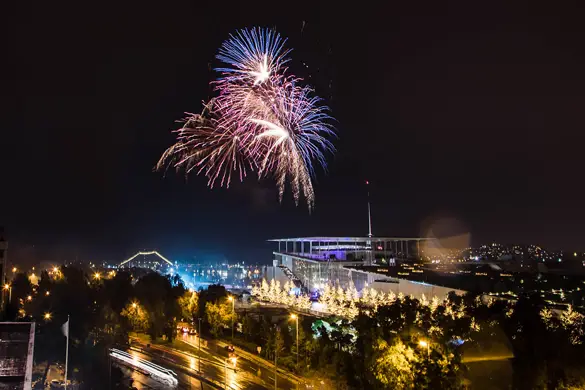
The Gregorian New Year, observed on January 1, is the most widely recognized start of the year worldwide. Its origins trace back to ancient Rome, where January was named after Janus, the god of beginnings and transitions.
After the Gregorian calendar reform of 1582, January 1 gradually became the global civic New Year. As 2026 begins, it once again serves as the shared reference point for international business, diplomacy, and daily life, even as many cultures continue to follow parallel calendars
Lunar New Year – Chinese New Year
17 February 2026
In 2026, Lunar New Year begins on 17 February, ushering in the Year of the Fire Horse, which will last until 5 February 2027. Determined by the lunar calendar, the celebration typically falls between late January and mid-February.
Often referred to as the Spring Festival, Chinese New Year symbolizes renewal, family unity, and growth. Ancient customs — such as family reunions, symbolic foods, red decorations, and firecrackers — continue alongside modern practices like digital red envelopes, reflecting the evolution of tradition in contemporary life.

Nowruz – Persian New Year
20 March 2026
Nowruz, meaning “new day,” marks the arrival of spring at the vernal equinox. In 2026, it begins on 20 March and is celebrated by more than 300 million people across Iran, Central Asia, the Caucasus, and the Balkans.
With origins dating back over 3,000 years to Zoroastrian traditions, Nowruz emphasizes rebirth, balance with nature, and continuity across generations. Recognized by UNESCO as Intangible Cultural Heritage, it remains one of the world’s oldest continuously observed New Year celebrations.
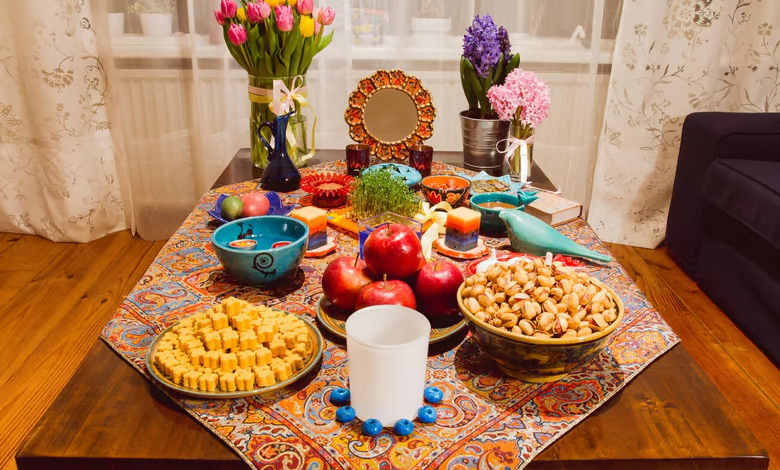
Photo Credit: Surfiran Mag
Songkran – Thai New Year
13–15 April 2026
Songkran marks the traditional Thai New Year and coincides with the sun’s movement into Aries. Celebrated annually from 13 to 15 April, it is widely known for its water rituals, which symbolize cleansing and renewal.
Beyond the joyful street celebrations, Songkran includes temple visits, honoring elders, and acts of generosity. Its recognition by UNESCO in 2023 highlights the festival’s deep cultural and spiritual significance.

Matariki – Māori New Year
10 July 2026 (Public Holiday in New Zealand)
Matariki marks the Māori New Year in Aotearoa New Zealand and is determined by the reappearance of the Matariki star cluster (Pleiades) in the winter sky. While the traditional observance is tied to the Māori lunar calendar, the official public holiday in 2026 falls on Friday, 10 July.
Rooted in Māori culture, Matariki is a time for remembrance, gratitude, and setting intentions for the year ahead. Each star within the cluster carries its own meaning, representing aspects such as health, prosperity, knowledge, and connection to family and land. Celebrations often include community gatherings, cultural performances, and feasts, reflecting both ancient traditions and modern interpretations of the New Year.

Muharram – Islamic New Year
16 June 2026
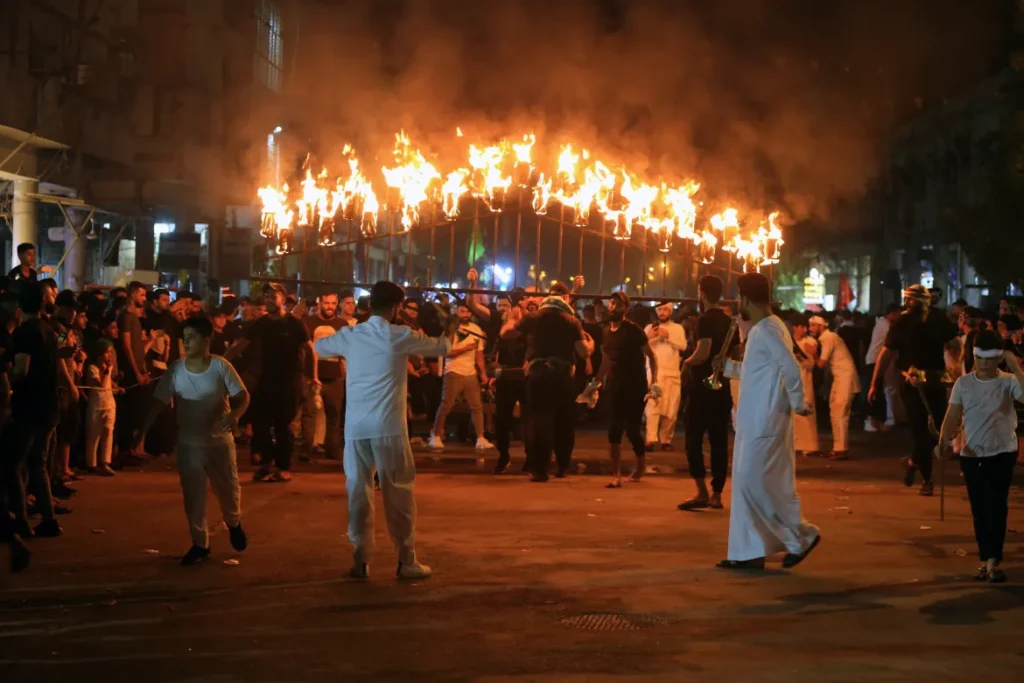
Muharram, the first month of the Islamic calendar, marks the start of the Islamic New Year. In 2026, it is expected to begin on Tuesday, 16 June, though the exact date may change based on the moon sighting. Observances focus on reflection, community, and remembrance, including the Day of Ashura on the 10th of Muharram. Many spend time with family, visit mosques, and perform charitable acts to prepare for the year ahead. The month encourages personal growth, gratitude, and thoughtful planning for the coming year.
Enkutatash – Ethiopian New Year
11 September 2026
Enkutatash marks the Ethiopian New Year and the beginning of Ethiopia’s 13-month calendar, which differs from the Gregorian system by several years.
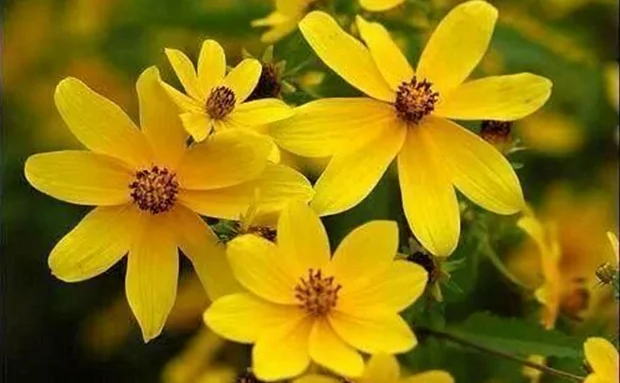
Celebrated at the end of the rainy season, Enkutatash symbolizes renewal and light. Traditions include singing, gift-giving, and the exchange of Adey Abeba flowers, which bloom at this time and represent hope and new beginnings.

Rosh Hashanah – Jewish New Year
11–13 September 2026
Rosh Hashanah, meaning “head of the year,” marks the beginning of the Jewish High Holy Days. In 2026, it will be observed from the evening of 11 September through 13 September.
The festival centers on reflection, repentance, and renewal. Traditions include synagogue services, the sounding of the shofar, and symbolic foods such as apples dipped in honey, expressing hopes for a sweet year ahead.

Diwali – Hindu New Year
8 November 2026
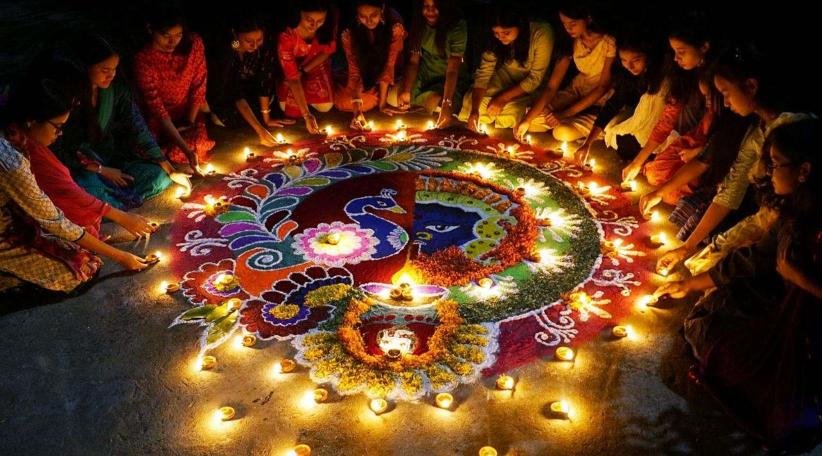
Diwali, the Festival of Lights, falls on 8 November 2026. Celebrated across India and by Hindu communities worldwide, it symbolizes the triumph of light over darkness.
For many communities, Diwali also marks the beginning of the new year according to the Vikrama calendar. Homes are illuminated with oil lamps, decorated with rangoli, and filled with gatherings that emphasize prosperity, gratitude, and renewal.
2025: A Year of Reflection
As 2025 comes to a close, the year’s challenges are hard to ignore. Conflicts, shifting alliances, and geopolitical tensions have affected communities worldwide, underscoring the fragile nature of international stability.
Looking ahead to 2026, the variety of New Year celebrations reminds us that while cultures mark the start of the year differently, the underlying themes of renewal, reflection, and connection remain universal. These observances offer a chance to pause, consider the year past, and plan for the year ahead.
For more festive inspiration, check out: European New Year’s Eve Traditions for Good Luck
🎉 Happy 2026!
🎆