
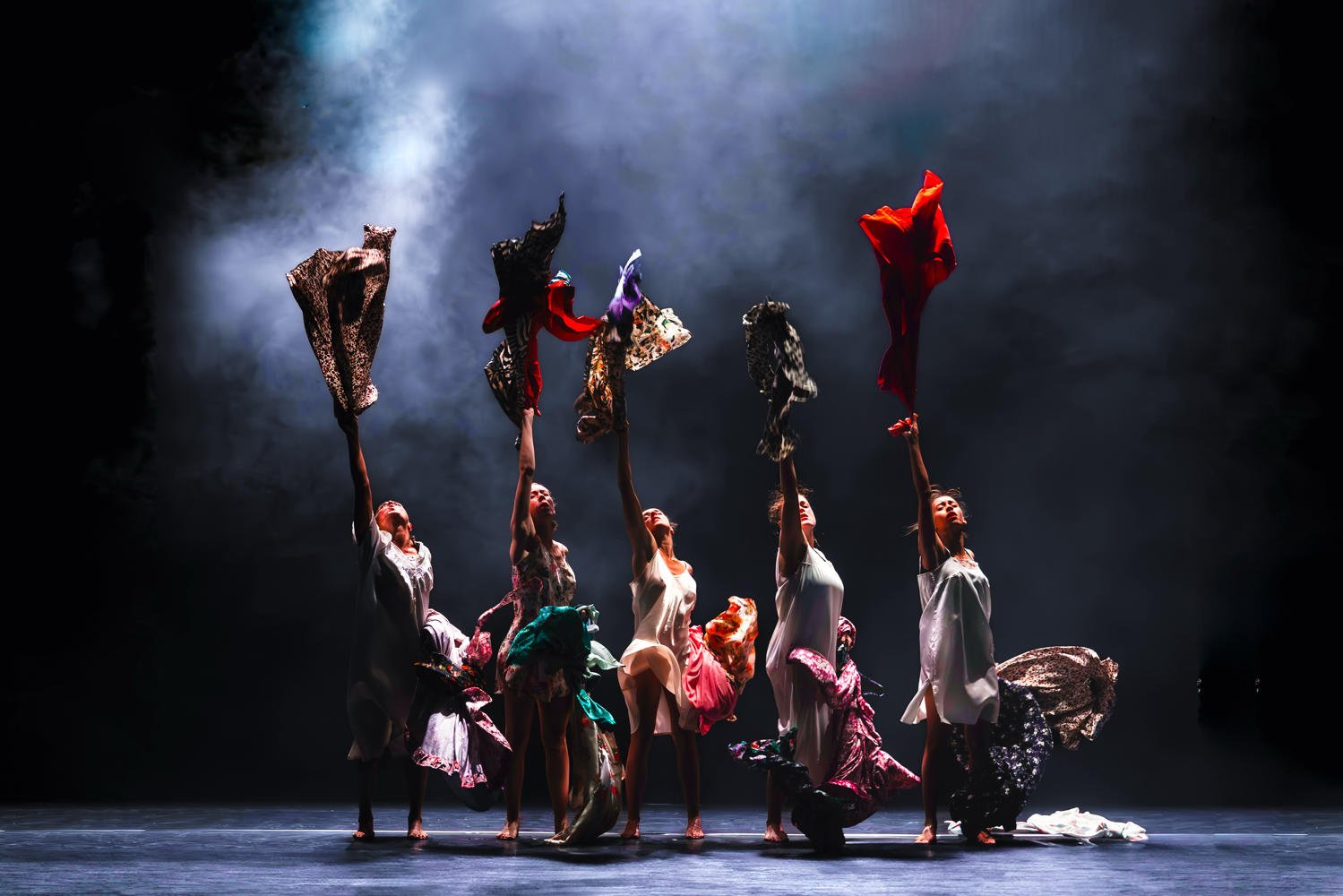
From 17 to 26 July 2026, Kalamata welcomes the 32nd Kalamata International Dance Festival, one of Greece’s leading contemporary dance events.
For ten summer days, performances unfold at the Kalamata Dance Megaron, in public spaces, across the city and at Ancient Messene. For visitors and foreign residents in Greece, the festival offers a beautiful reason to experience Kalamata through movement, sea air, evening walks and culture.
About Kalamata
Why the Festival Matters
What to Expect in 2026
Programme Highlights
Useful Information
17-26 July 2026
Kalamata, Ancient Messene and selected cities in the Peloponnese
Kalamata Dance Megaron, public spaces and archaeological sites
Culture lovers, summer visitors, artists and curious travellers
About Kalamata: Sea, Culture and Peloponnesian Energy
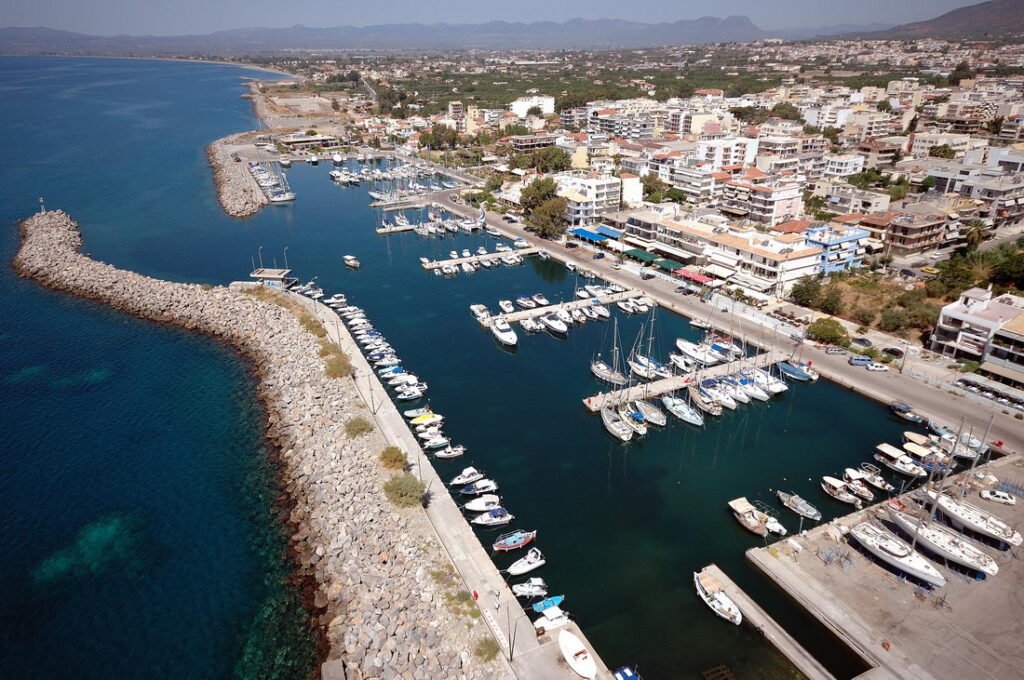
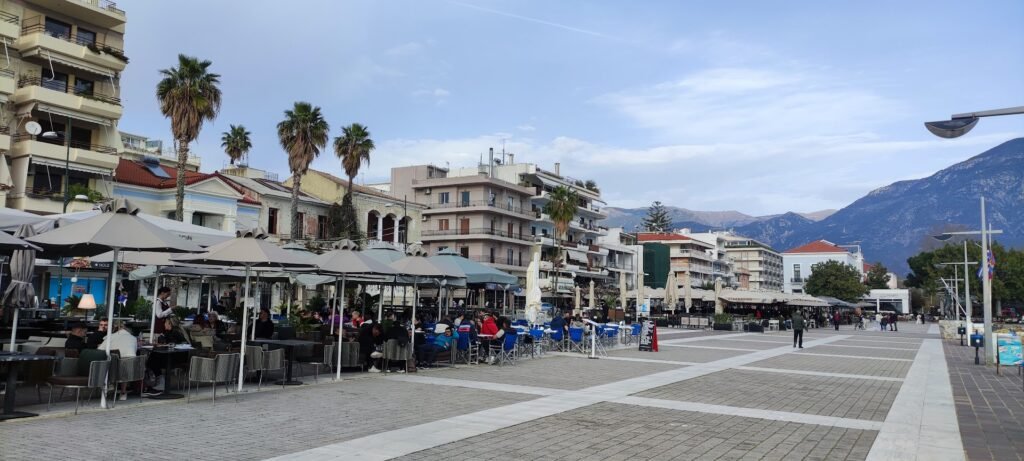
Kalamata sits in the heart of the Messinian Bay, with Mount Taygetos rising behind it and the sea shaping daily life. The city has a long seafront promenade, sandy beaches, cafés, tavernas, hotels and beach bars, so summer naturally moves towards the water.
Away from the coast, the old town, medieval castle, churches, museums, neoclassical buildings and lively squares give Kalamata a layered urban character. Visitors can move from the marina to the historic centre, from a morning swim to an evening walk, and from a local taverna to a performance without the city ever feeling difficult to navigate.
Kalamata also works well as a base for exploring the southwestern Peloponnese. Ancient Messene, seaside villages, castles and mountain routes are within easy reach, while the city itself has the services, accommodation and restaurants of a regional capital.
Its name travels far through the famous Kalamata olives, but the city also carries a strong cultural identity. The Kalamatianos, one of Greece’s best-known traditional dances, keeps Kalamata connected with rhythm, movement and collective celebration.
That is why the Kalamata International Dance Festival feels so naturally placed here. Contemporary dance arrives in a city already shaped by public life, music, movement, the sea and long summer evenings.
For more ideas on where to stay, eat and wander around the city, read our earlier article, Kalamata, the magical city of Four Seasons and 1000 Faces.
Why the Kalamata Dance Festival Matters
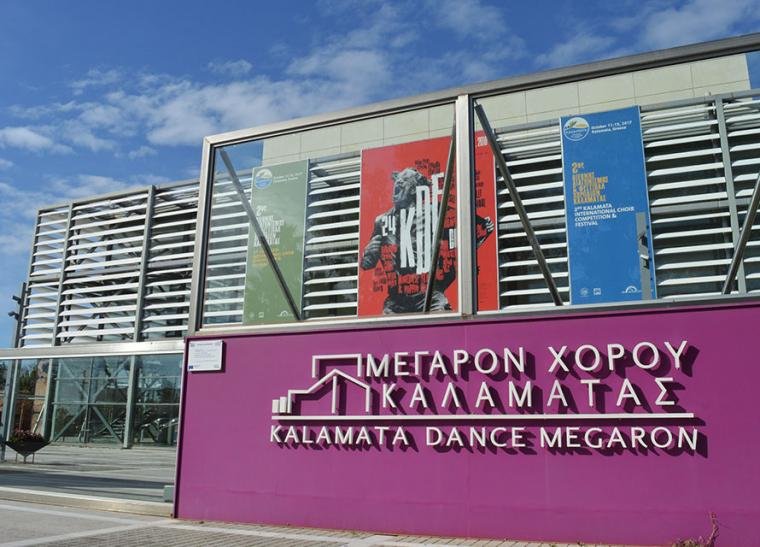
The Kalamata International Dance Festival ranks among Greece’s most important contemporary dance institutions. It grew out of the Kalamata International Dance Centre, founded in 1995 through an initiative of the Hellenic Ministry of Culture to strengthen cultural life beyond Athens.
Over more than three decades, the festival has helped contemporary dance in Greece gain visibility, confidence and international connections. Its programme has brought major international companies to Greek audiences, while also giving space to Greek choreographers and performers.
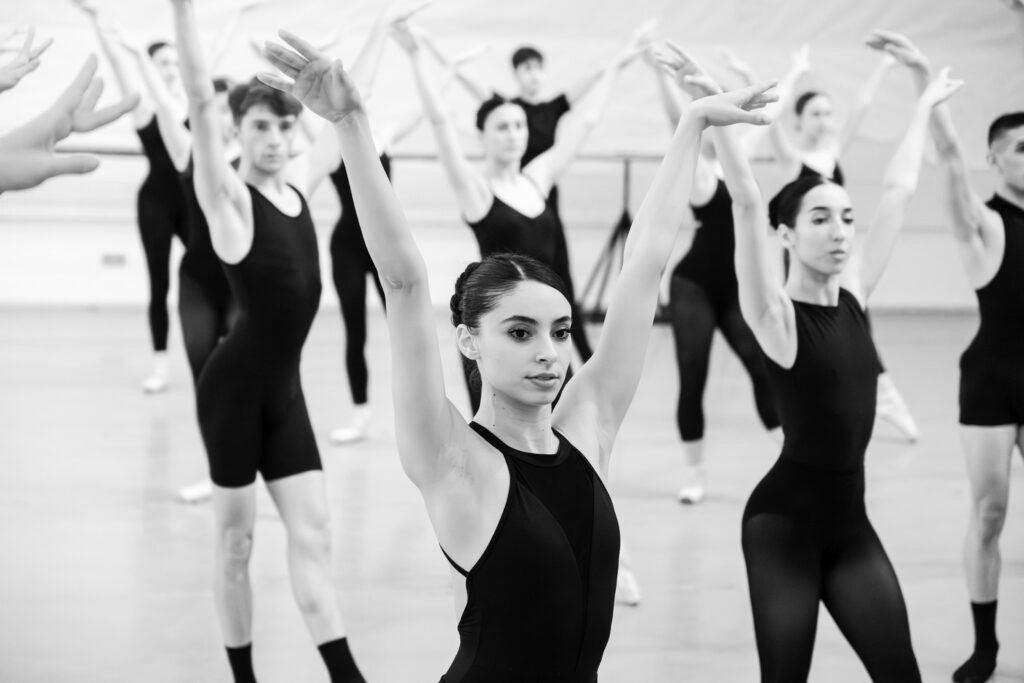
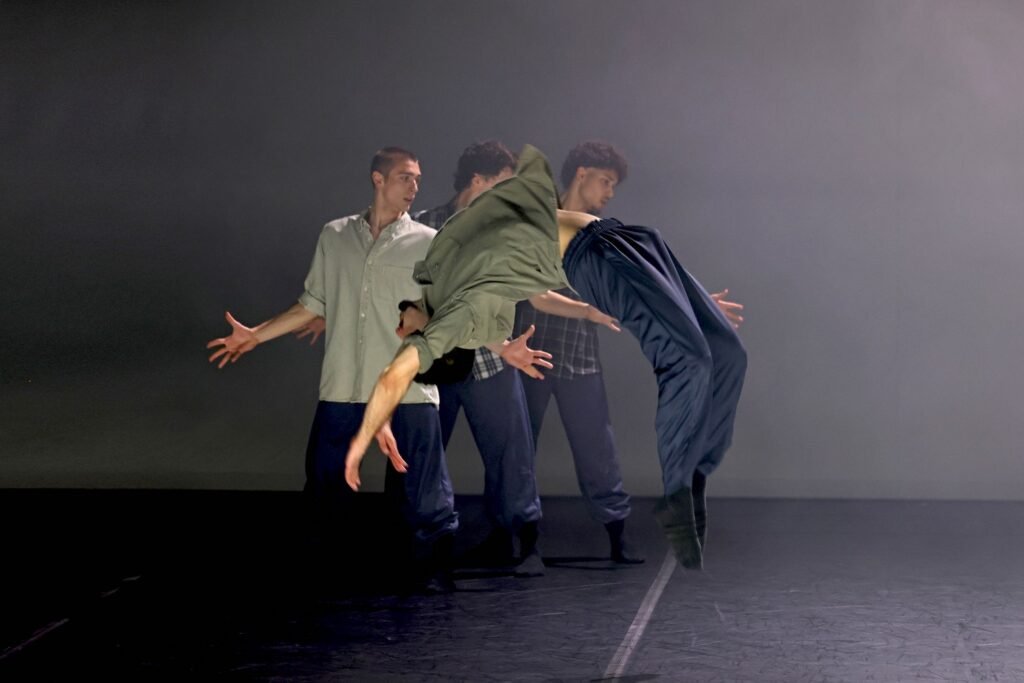
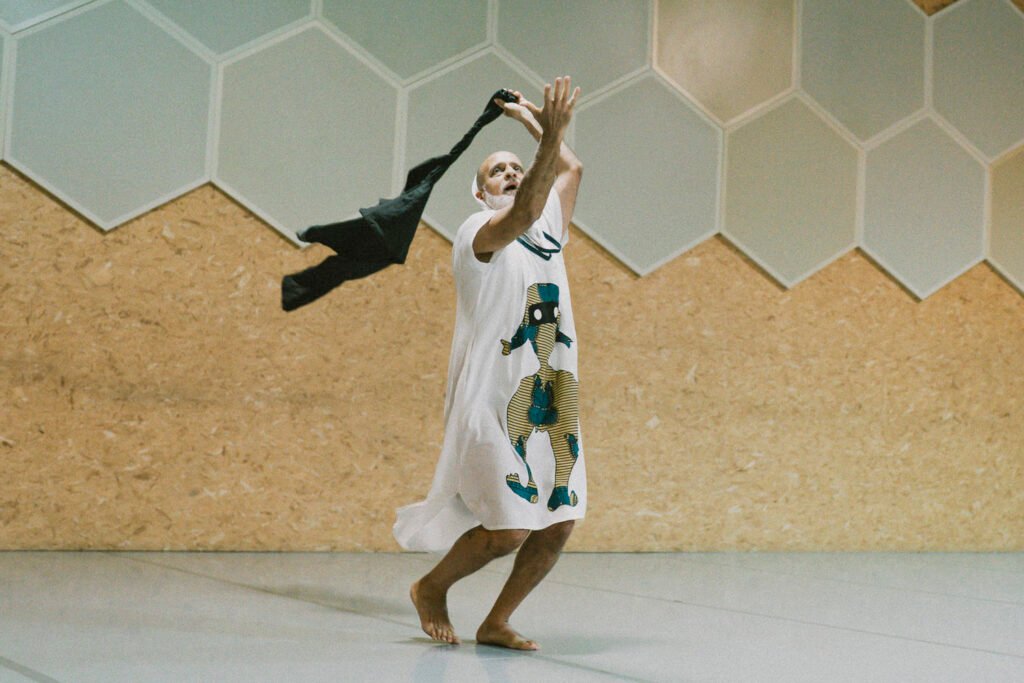
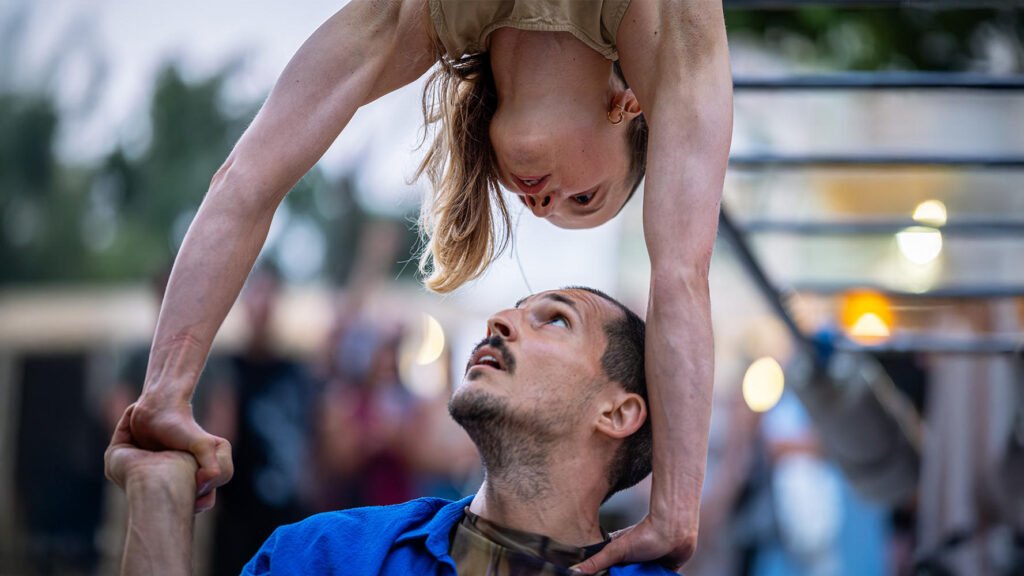
The festival’s strength lies in its range. Large productions, intimate works, workshops, screenings, exhibitions, public discussions and open-air events all belong to the same wider conversation about the body, society, memory and the city.
In recent years, the festival has deepened its relationship with Kalamata through commissions, residencies and community projects. This gives the event a local pulse, while keeping it connected to the international arts scene.
For visitors, the festival gives Kalamata a different summer rhythm. Performances, public spaces, sea walks and late evenings come together, turning a few days in the city into a fuller cultural escape.
What to Expect in 2026
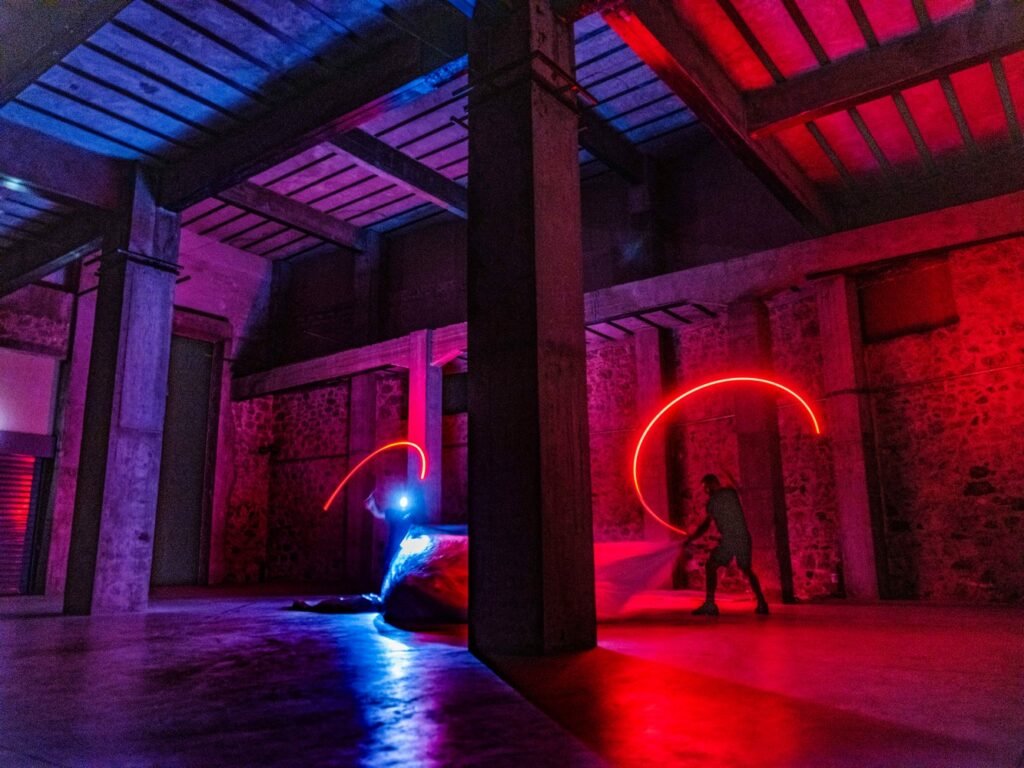
The 2026 programme brings together Main Stage productions, Alternative Stage performances, free events in the city and a special evening at Ancient Messene. The result is a programme with different entry points, whether you follow contemporary dance closely or simply want a memorable cultural night during summer.
The Main Stage presents larger international and Greek productions, while the Alternative Stage offers a closer look at experimental work and contemporary choreography. Dance in the City brings performances into public spaces, making the festival visible beyond the theatre.
Programme Highlights
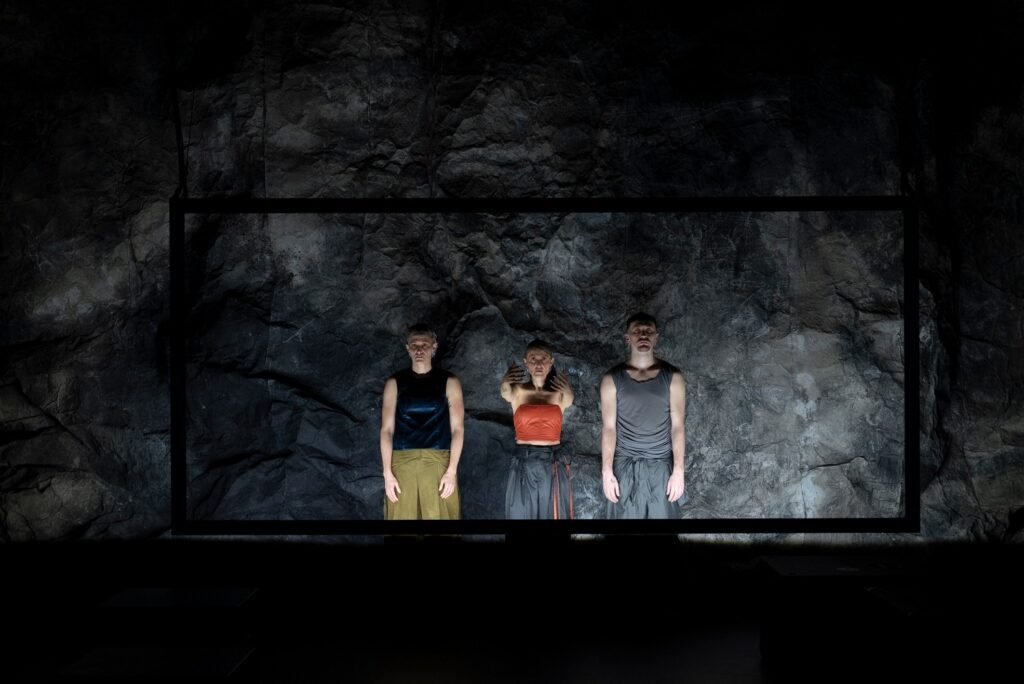
The 2026 programme is divided between the Main Stage, the Alternative Stage, Dance in the City and a special performance at Ancient Messene. Here are the key dates to know.
Main Stage
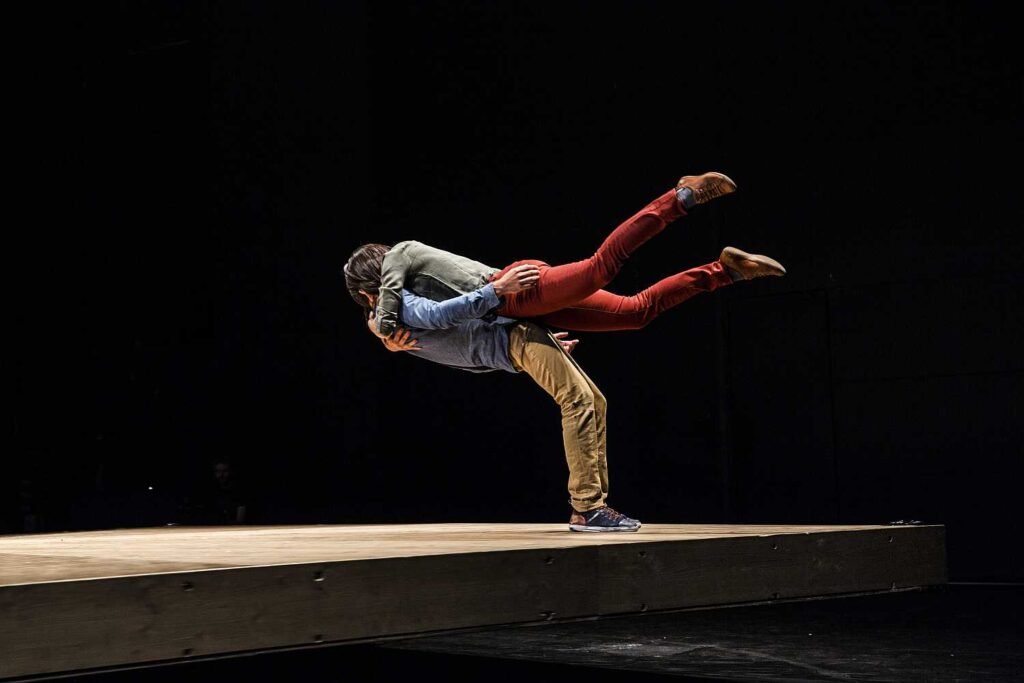
| He Who Falls Yoann Bourgeois Art Company |
17 July at 21:30 18 July at 22:00 |
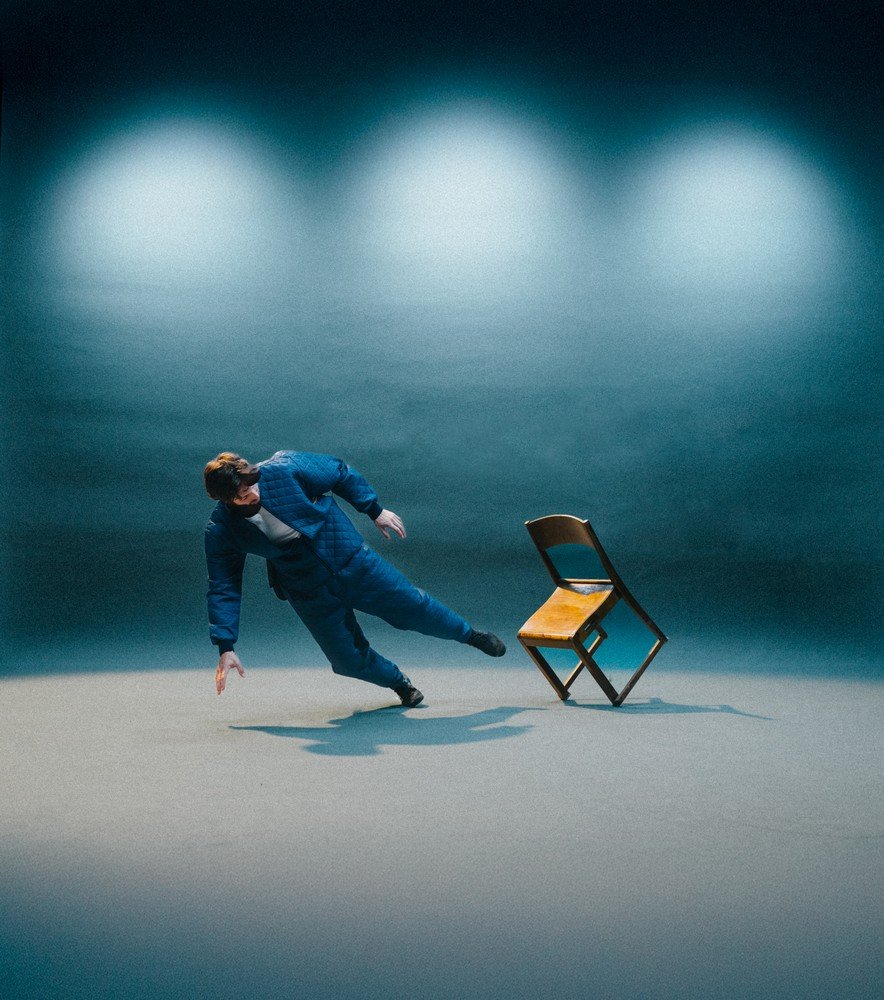
| Tempo Kalle Nio & Fernando Melo |
20 July at 21:30 |
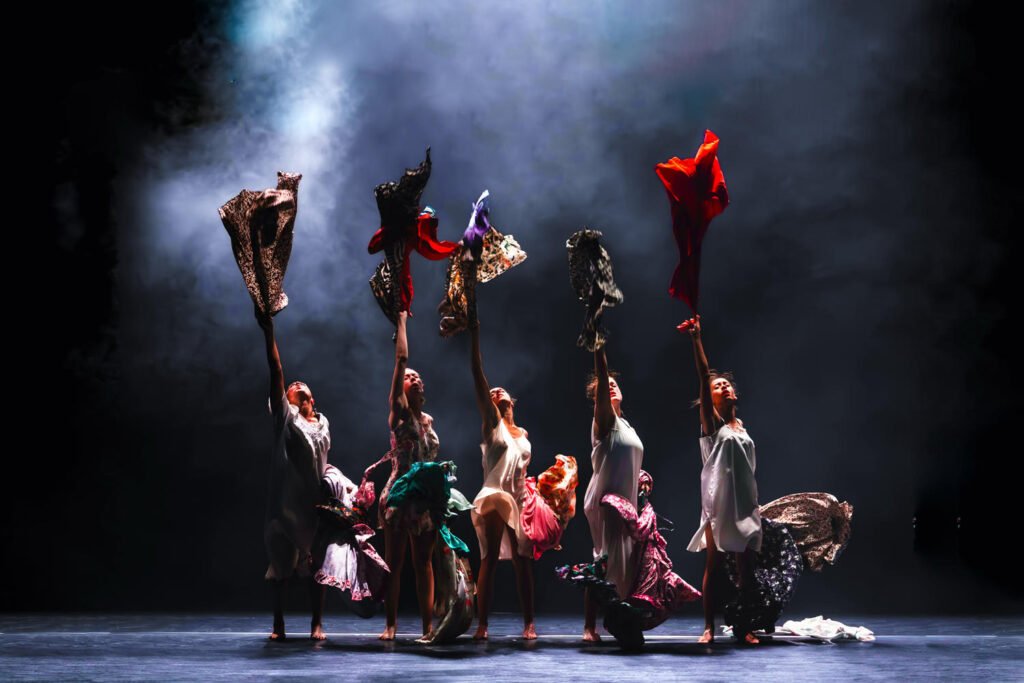
| Maldonne Leïla Ka |
23 July at 22:00 |
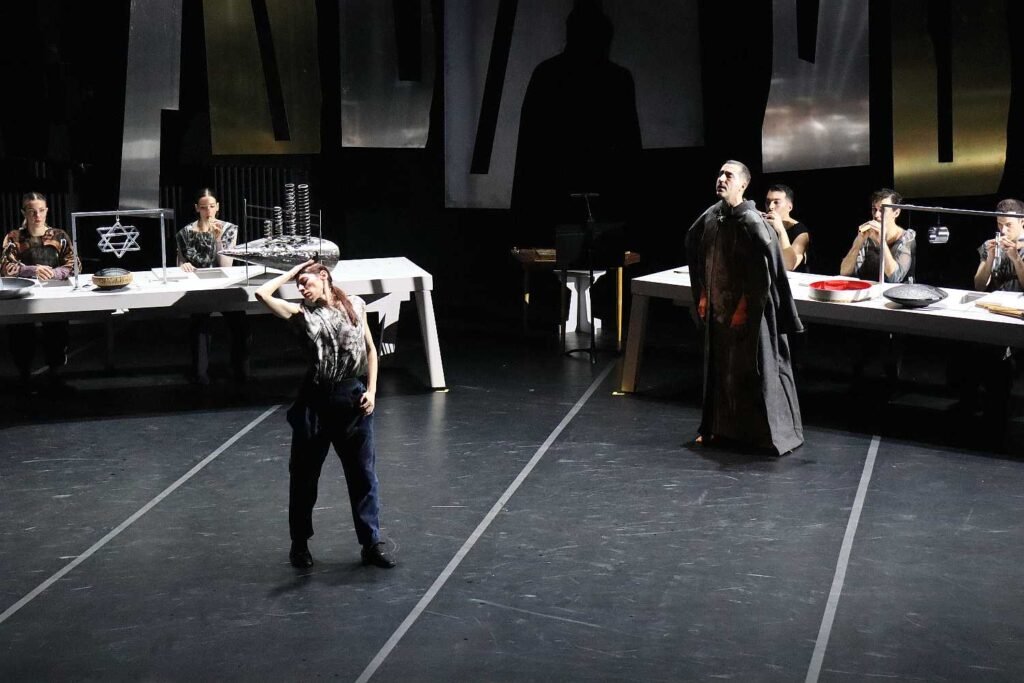
| To Have Been So Close So Many Times Greek National Opera Ballet & Giorgos Koumendakis |
25 & 26 July at 22:00 |
Alternative Stage
| Mercury Rising Jefta van Dinther |
18 July at 19:00 19 July at 22:00 |
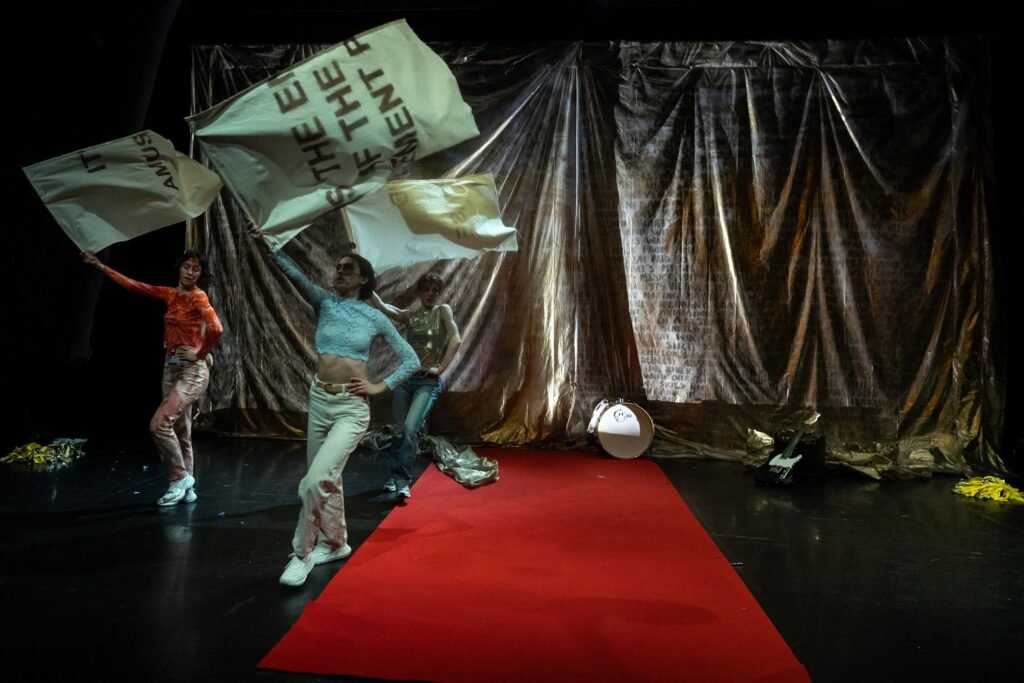
| It’s the End of the Amusement Phase Chara Kotsali |
20 July at 20:00 |
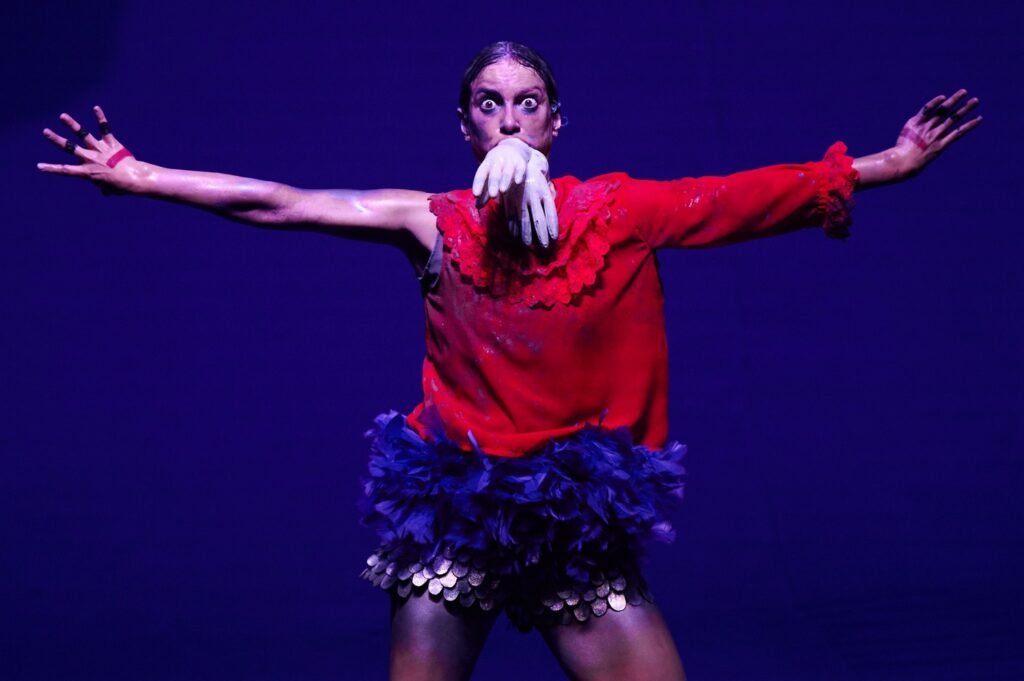
| Guintche (Live Version) Marlene Monteiro Freitas |
23 July at 20:30 24 July at 21:30 |
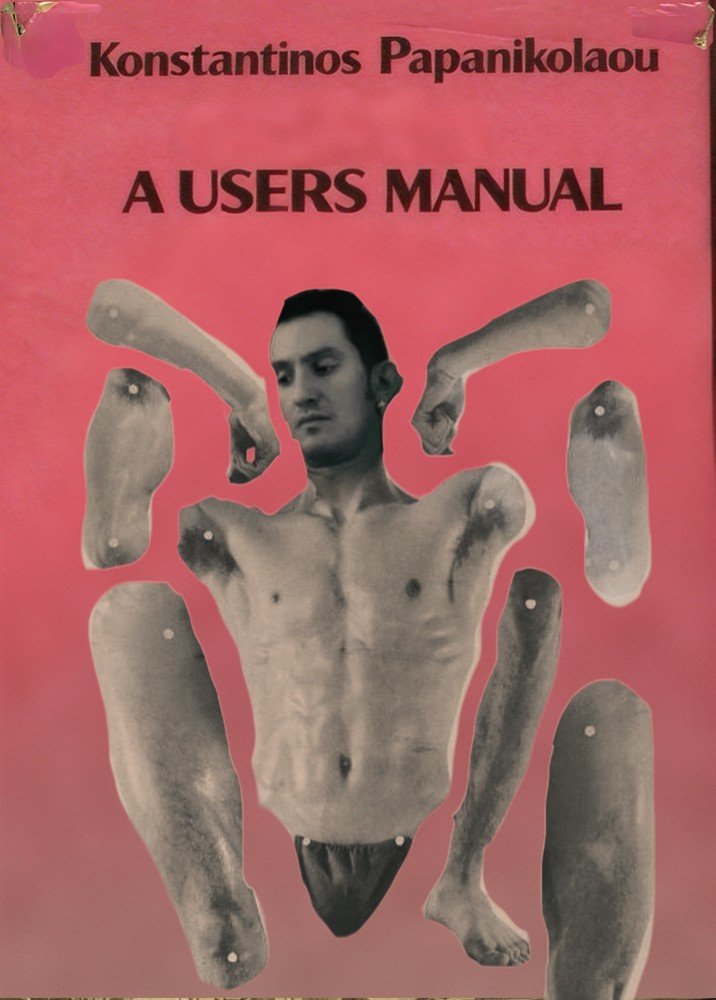
| A User’s Manual Konstantinos Papanikolaou |
25 July at 18:30 |
| Lunar Seaga Adonis Vais |
25 July at 19:30 |
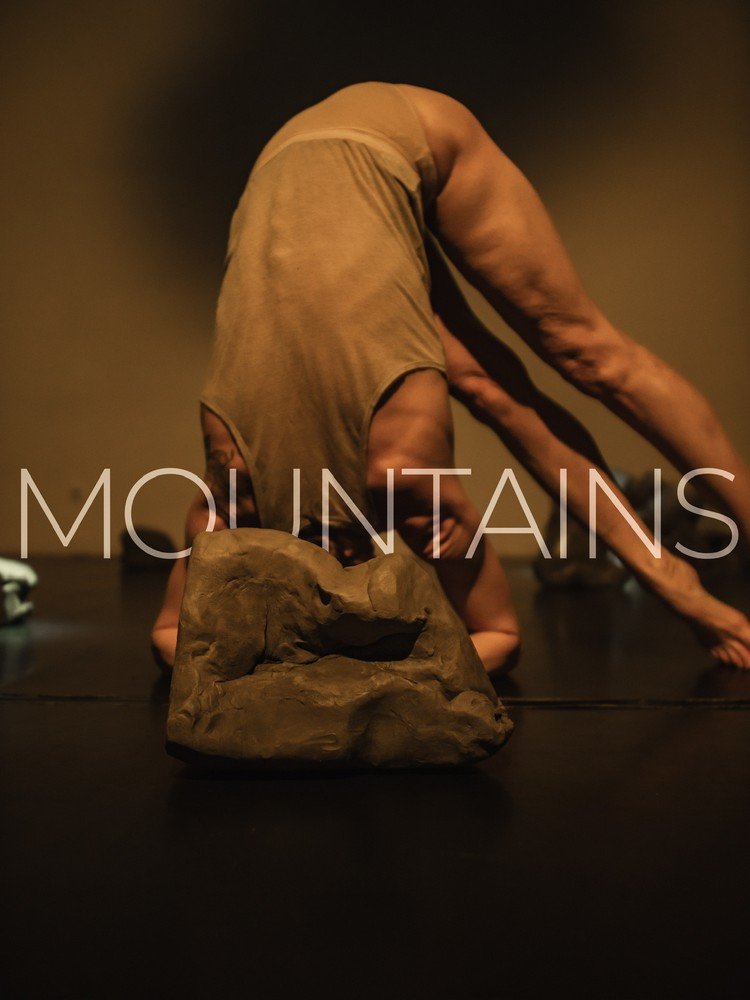
| Mountains Garage21 |
25 July at 20:30 |
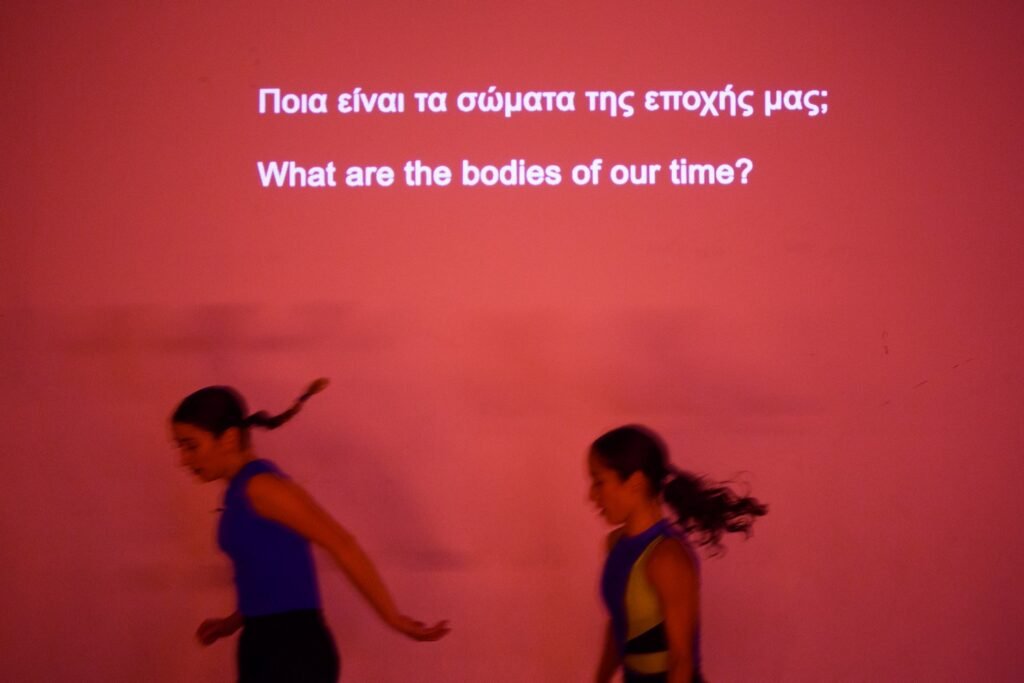
| What Are the Bodies of Our Time? Iris Karayan |
26 July at 19:00 |
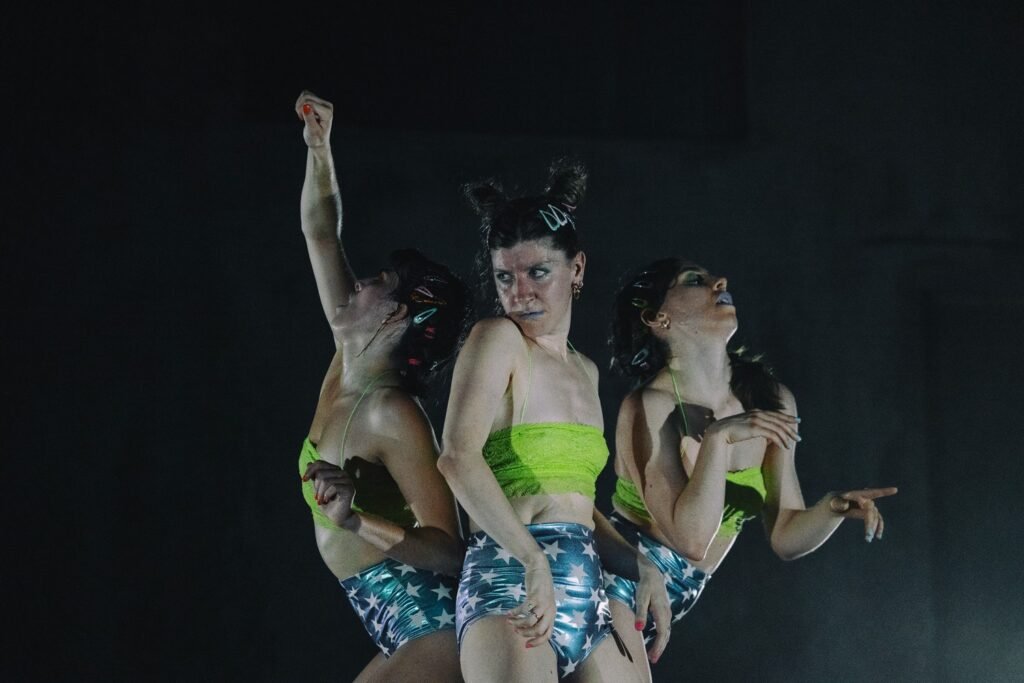
| Superstar Ioanna Portolou / Griffón Dance Company |
26 July at 21:00 |
Dance in the City and Ancient Messene
| Metamorphosis Greek National Opera Professional Dance School |
18 July at 21:00 |
| One Body KSOT 3rd year |
19 July at 21:00 |
| Do Birds Dream of Flying? Fabla Collective |
21 July at 20:00 |
| Dance in Ancient Messene PLAN-K / Filipe Lourenço Company |
22 July at 20:00 |
| Mariposa David Zambrano |
24 July at 20:00 |
Main Stage
Alternative Stage
Dance in the City and Ancient Messene
Useful Information
| Festival dates | 17-26 July 2026 |
| Main venue | Kalamata Dance Megaron |
| Other locations | Public spaces in Kalamata, Ancient Messene and selected cities in the Peloponnese |
| Tickets | Available through the official festival website and Ticketmaster |
| Free events | Some Dance in the City and Peloponnese performances are free. For Ancient Messene, check whether an entrance pass is required. |
Visit the official Kalamata Dance Festival website for general festival information.
Before planning your visit, check the official KIDF32 programme for performance details, times and updates.
For ticket details, visit the festival’s official ticket information page.
Make a Trip of It
A performance at the Kalamata Dance Festival can easily become part of a longer stay in the city. Plan time for the seafront, the historic centre, local food, nearby beaches and, if your schedule allows, a visit to Ancient Messene.
For more ideas on where to stay, eat and wander around the city, read our earlier article, Kalamata, the Magical City of Four Seasons and 1000 Faces.