
Greek mythology survives not only in literature, art and archaeology, but also in modern English. Some myths live on as familiar expressions, including Achilles’ heel, Pandora’s box, Trojan horse and siren song. Others have become ordinary nouns, verbs and adjectives, such as mentor, atlas, odyssey, narcissism, tantalise and protean.
Although these linguistic connections take different forms, they all spring from the same mythological source. The vulnerability that threatens an otherwise powerful figure becomes an Achilles’ heel, the undertaking that seems both exhausting and endless becomes Sisyphean, the trusted adviser takes on the role of a mentor, and ambition that rises dangerously beyond its limits continues to evoke the fate of Icarus.
The words and expressions have endured because the experiences they describe remain recognisable. Greek myths still provide a language for vulnerability, ambition, temptation, deception, ignored warnings, impossible choices, transformation and the consequences of excessive pride.
To make the connections easier to follow, the words and expressions below are grouped by theme. Each entry identifies whether it is an expression, noun, verb or adjective, explains the myth behind it and shows how it is used in contemporary English.
In this article
The words and expressions are grouped by theme. Click on any section below to jump directly to it.
Weakness, ambition and downfall
Work, struggle and impossible standards
Danger, deception and difficult choices
Journeys, personalities and states of mind
Shape-shifters, giants and inspiration
Test your mythological English
Weakness, Ambition and Downfall
Greek mythology repeatedly asks what happens when strength, talent or success creates a dangerous sense of invulnerability. These expressions describe hidden weaknesses, unchecked ambition and the moment when confidence begins to turn into downfall.
1Achilles’ Heel
Meaning in English: A weak point that can undermine a person, organisation or system that otherwise appears strong.
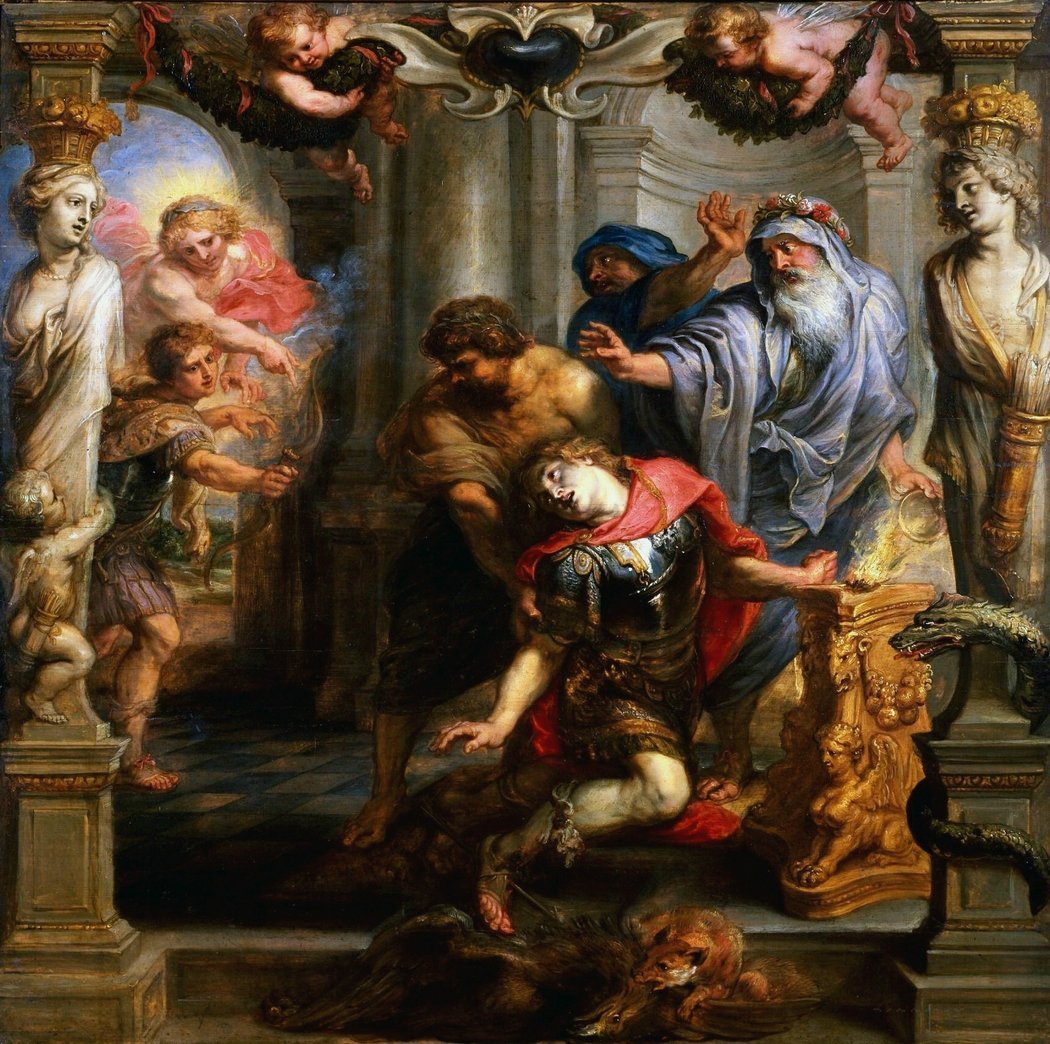
In the best-known later version of the story, Achilles’ mother, Thetis, tried to make him invulnerable by dipping him into the River Styx. She held him by one heel, leaving that small part of his body untouched. Achilles became the greatest Greek warrior at Troy, but an arrow eventually struck his only vulnerable point.
She was a confident public speaker, but unexpected questions remained her Achilles’ heel.
2The Midas Touch
Meaning in English: An apparent ability to make every project, investment or business venture financially successful.
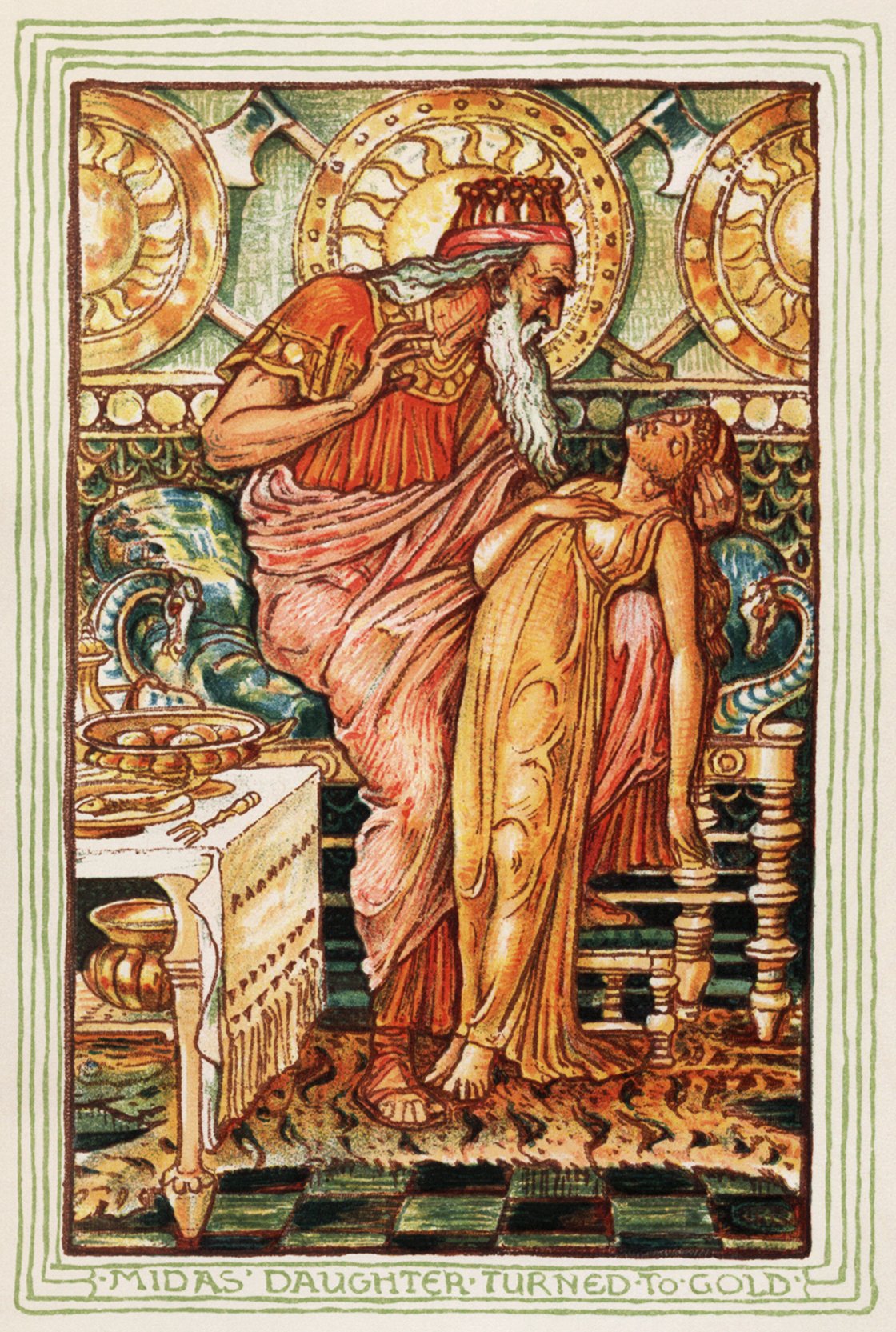
King Midas was granted a wish by Dionysus and asked for everything he touched to become gold. The gift initially appeared to offer limitless wealth. It soon became a curse when food, drink and everything necessary for ordinary life also turned to gold. Midas finally begged to be released from the power he had desired.
The theatre producer seems to have the Midas touch: every small production she supports becomes a critical success.
3To Fly Too Close to the Sun—and Icarus Syndrome
Meaning in English: To allow ambition, excitement or early success to create overconfidence and increasingly reckless decisions.
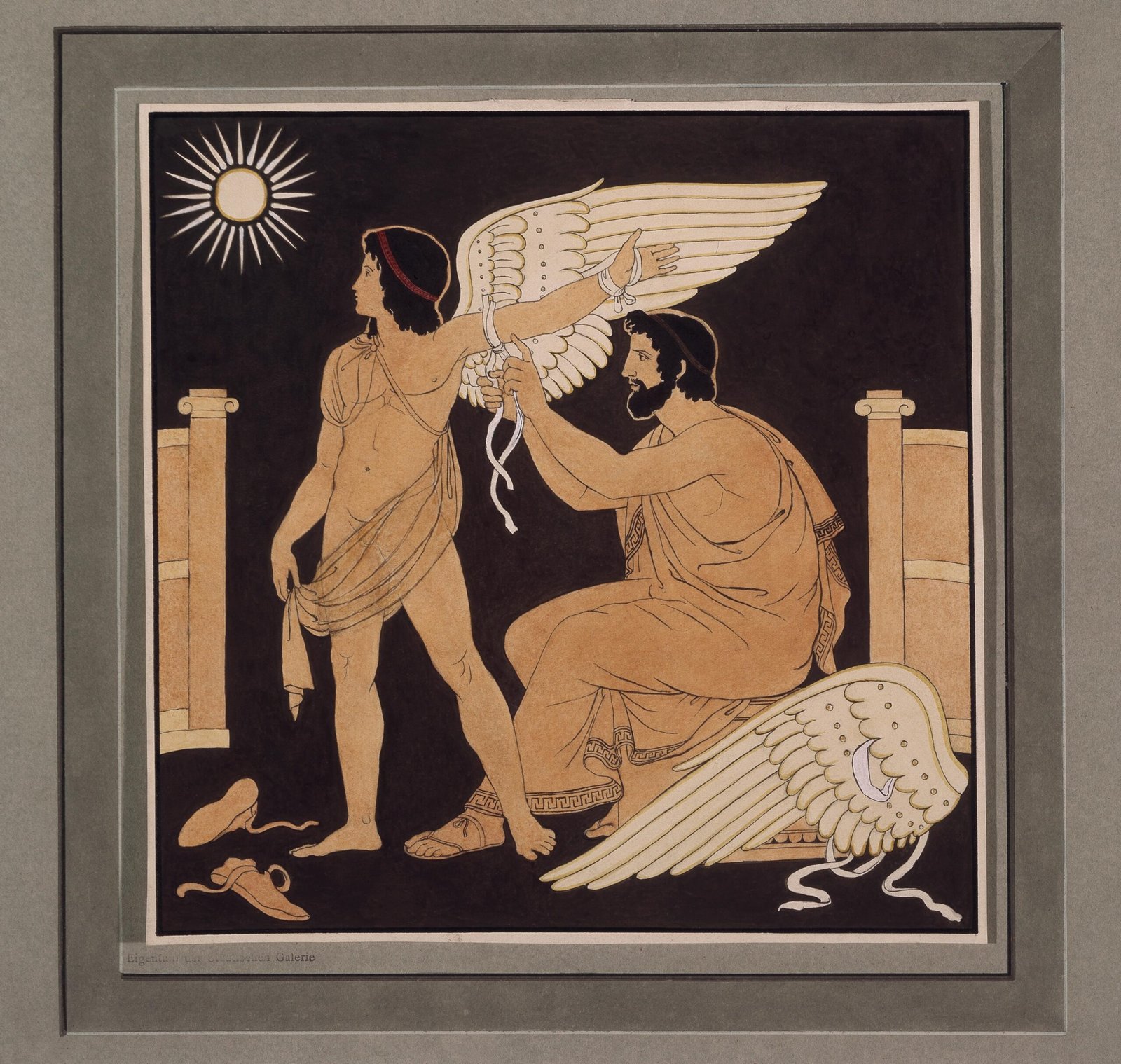
Daedalus made wings from feathers and wax so that he and his son could escape from Crete. He warned Icarus not to fly too low, where the sea would weigh down the feathers, or too high, where the sun would melt the wax. Carried away by the freedom of flight, Icarus climbed higher. The wings came apart and he fell into the sea.
After becoming famous almost overnight, he flew too close to the sun and began to believe that ordinary rules no longer applied to him.
4Narcissism
Meaning in English: In general language, excessive self-admiration or absorption in one’s own image and importance.
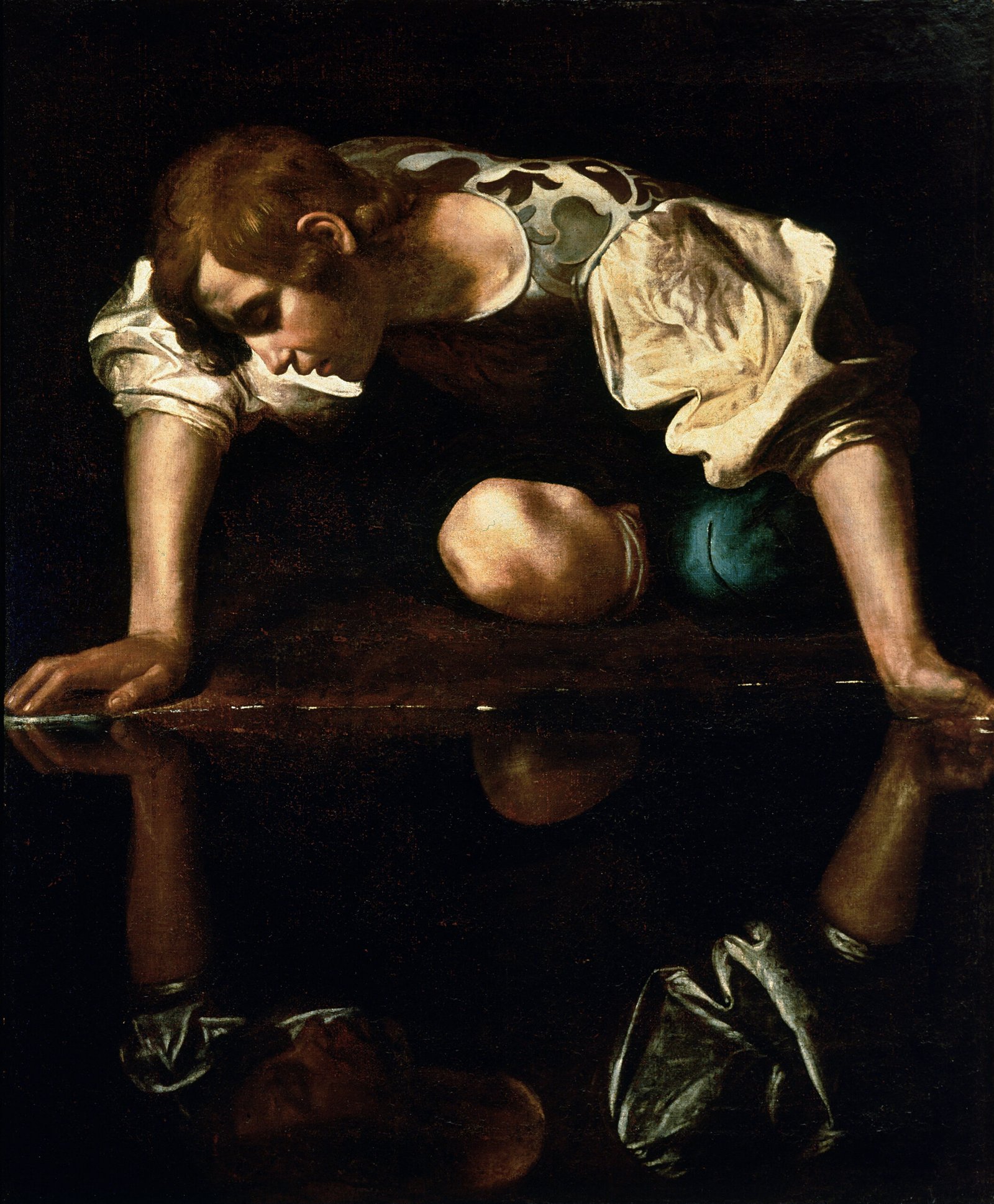
Narcissus was a beautiful young man who rejected those who loved him. When he saw his reflection in a pool, he became captivated by it and could not turn away. Unable to possess the image he adored, he wasted away. His name eventually gave English narcissism, narcissist and narcissistic.
Social media can encourage a form of narcissism in which every experience is judged by how impressive it appears to others.
5Nemesis
Meaning in English: The person or thing that causes somebody to lose their power, position or success, and that cannot be avoided.
Nemesis was the goddess of divine retribution and the restoration of balance. She punished excessive pride, arrogance and conduct that placed a person above the limits recognised by gods and mortals. Her name therefore came to represent both inescapable consequences and the opponent capable of bringing a powerful figure down.
After years of deceiving investors and silencing critics, the businessman believed his wealth had placed him beyond consequences—until the fraud was exposed, he lost his company and Nemesis caught up with him.
Midas Touch or Icarus Syndrome?
The Midas touch describes repeated success. Icarus syndrome describes the overconfidence that success can create before a fall.
Work, Struggle and Impossible Standards
Not all difficult work is the same. Greek mythology gives English different ways to describe a challenge that is immense, a task that never ends, a deeply rooted mess and a rigid system that refuses to recognise individual differences.
6A Herculean Task
Meaning in English: A task requiring extraordinary strength, determination, organisation or effort.
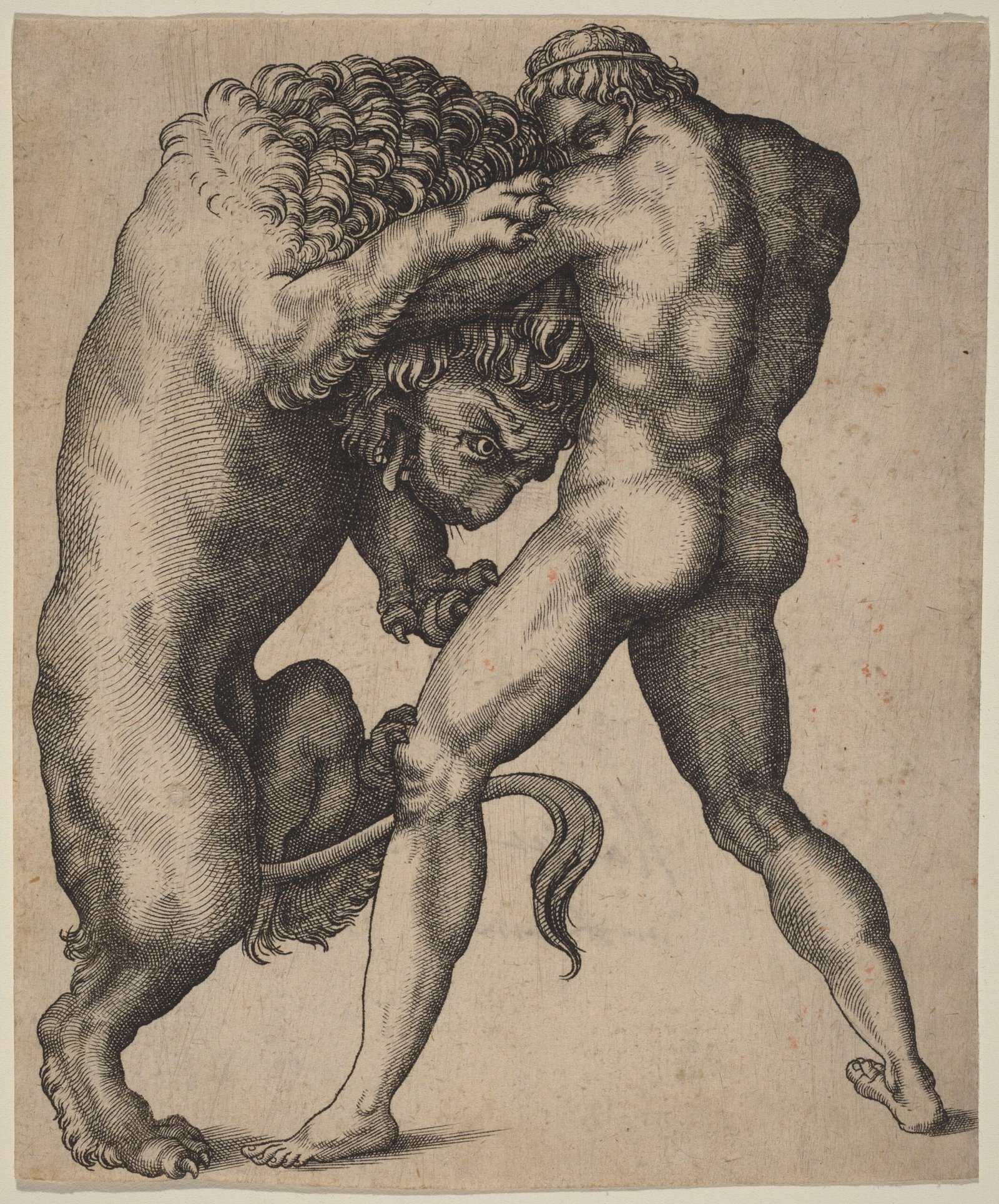
Heracles—better known in English by his Roman name, Hercules—was ordered to complete twelve extraordinary Labours, or tasks. They included killing the Nemean Lion, capturing Cerberus from the Underworld and cleaning King Augeas’s neglected stables. Each challenge appeared to exceed ordinary human ability.
Rebuilding a town after devastating wildfires was a Herculean task, but residents, volunteers and local organisations worked together.
7A Sisyphean Task
Meaning in English: Work that is impossible to complete or that repeatedly returns to its starting point.
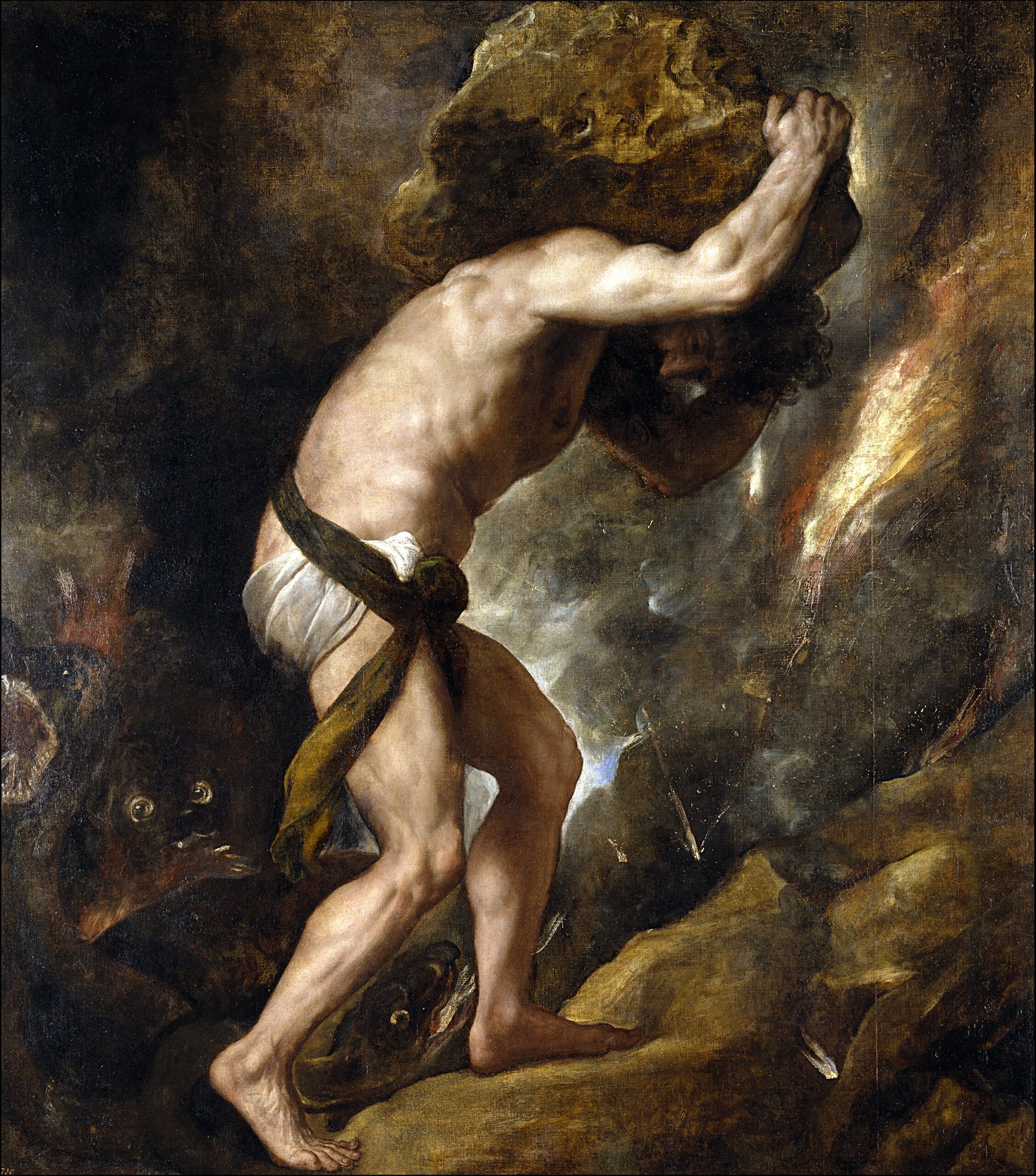
Sisyphus, the cunning king of Corinth, repeatedly tried to outwit death. In one tradition, he chained Thanatos, the personification of Death, so that nobody could die. Later, he tricked the rulers of the Underworld into allowing him to return to the living world and then refused to go back. As punishment, he was condemned to push a huge boulder uphill for eternity. Each time it approached the summit, it rolled back down, forcing him to begin again.
Trying to keep the house perfectly tidy while raising three young children often felt like a Sisyphean task.
8To Clean the Augean Stables
Meaning in English: To confront an enormous, deeply established and often corrupt mess that has been neglected for years.
One of Heracles’ Twelve Labours required him to clean the vast stables of King Augeas, which had not been cleared for many years. Instead of removing the accumulated waste by hand, Heracles redirected the Alpheus and Peneus rivers through the buildings, using the force of the water to complete the apparently impossible task in a single day.
The new administration promised to clean the Augean stables of corruption, favouritism and years of financial mismanagement.
9Procrustean—and the Procrustean Bed
Meaning in English: A rigid, one-size-fits-all system that forces people or circumstances to conform while ignoring meaningful differences.
Procrustes was a robber who forced travellers to lie on an iron bed. If they were too short, he stretched them; if they were too tall, he cut them down to fit. Theseus eventually defeated him by subjecting him to his own method.
A Procrustean education system forces every student to follow the same path, regardless of individual ability or ambition.
10Atlas
Meaning in English: A book containing maps, sometimes with facts and illustrations about particular places or subjects.
Atlas was a Titan who fought against Zeus and the Olympian gods. After the Titans were defeated, he was condemned to support the heavens. Images of Atlas bearing the celestial sphere later appeared on early modern map collections, and his name became attached to books of maps.
The travellers kept an old road atlas in the car, even though they rarely needed to open it.
Herculean or Sisyphean?
A Herculean task is extremely difficult but can be completed. A Sisyphean task is impossible to complete or repeatedly returns to its starting point.
Danger, Deception and Difficult Choices
Some mythical dangers announce themselves openly. Others arrive as attractive gifts, irresistible songs or apparently helpful solutions. These expressions distinguish between a concealed threat, a seductive temptation and a choice in which every available route carries a cost.
11Pandora’s Box
Meaning in English: A process or decision that releases many unforeseen problems and complications.
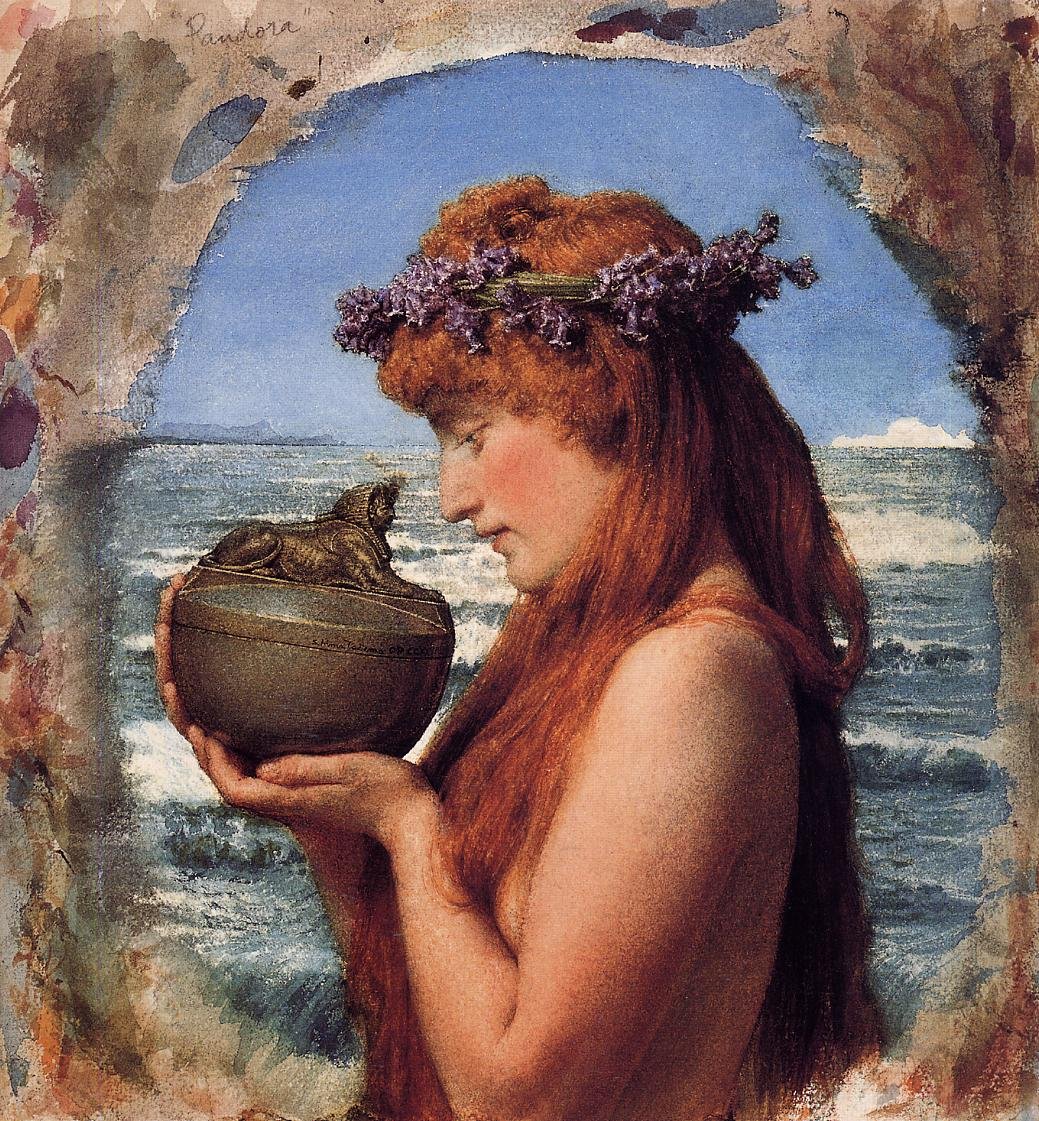
In Hesiod’s Works and Days, Pandora opened a large storage jar, or pithos, releasing the hardships and miseries of human life into the world. Only hope remained inside after the jar was closed. The story gave English the expression “to open Pandora’s box” for a seemingly small action that unleashes serious and unforeseen consequences that are difficult to contain.
Revealing one long-held family secret opened a Pandora’s box of accusations, old resentments and unanswered questions.
12Trojan Horse
Meaning in English: A person, programme or idea used to gain access by appearing harmless, useful or generous while concealing a harmful purpose.
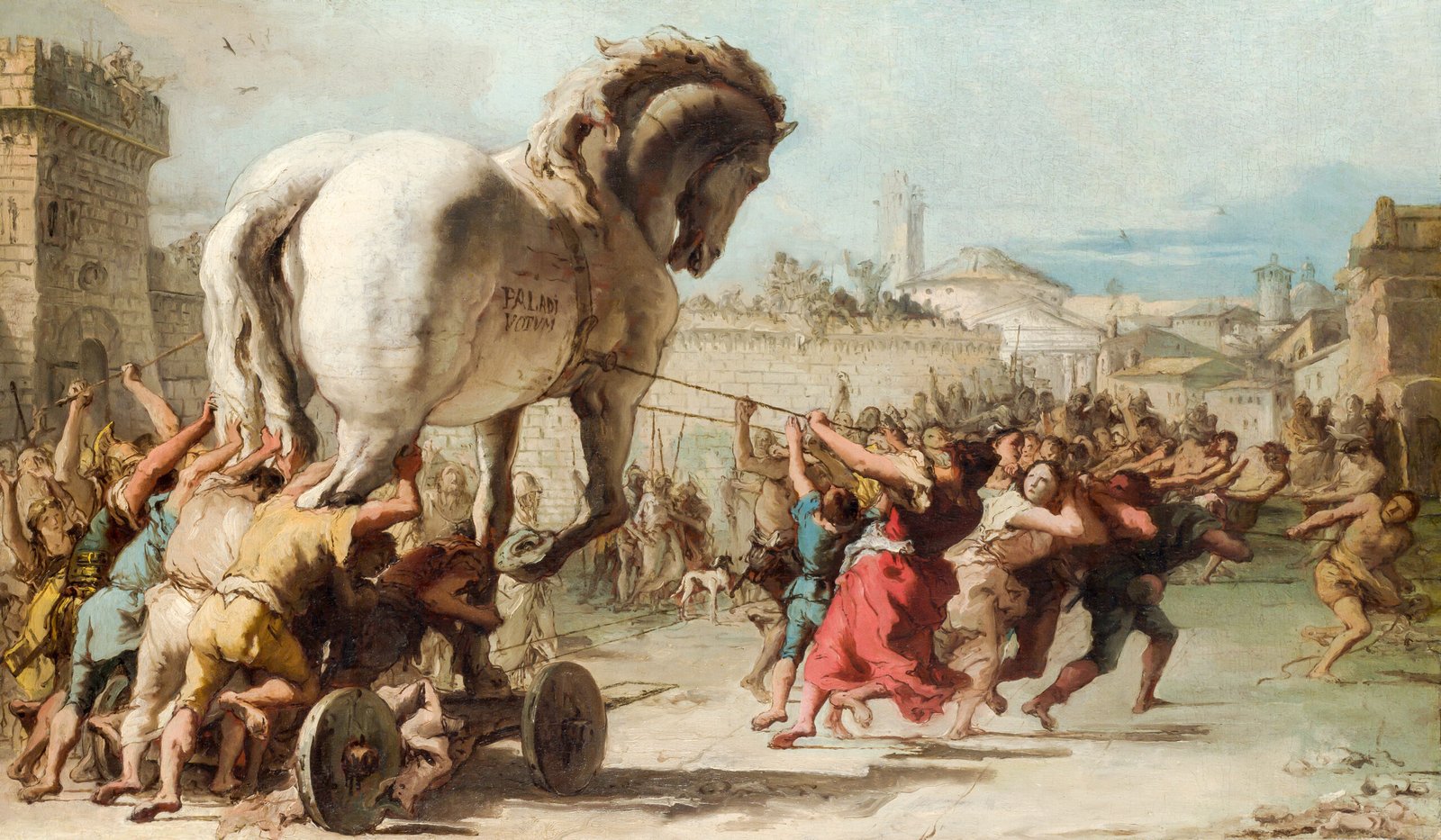
After years of failing to capture Troy, the Greeks constructed a huge hollow wooden horse and concealed warriors inside it. Believing that the Greeks had departed and left an offering behind, the Trojans brought the horse within their walls. During the night, the hidden soldiers emerged and opened the city gates.
The apparently harmless email attachment was a Trojan horse that allowed criminals to gain access to confidential information.
13Between Scylla and Charybdis
Meaning in English: To be caught between two serious dangers, where escaping one increases the risk from the other.
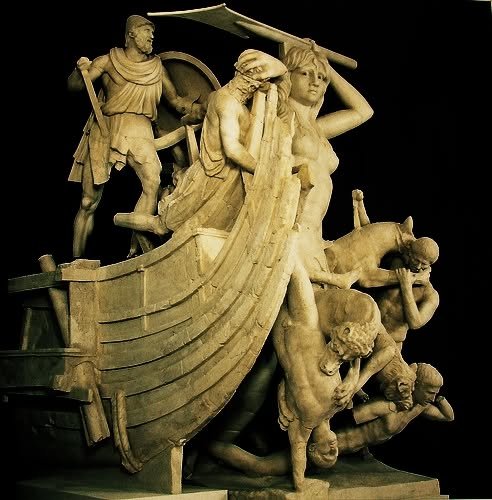
Odysseus had to navigate a narrow passage with Scylla, a many-headed monster, on one side and Charybdis, a deadly whirlpool, on the other. Avoiding Scylla completely would bring the ship within reach of Charybdis. Odysseus chose the route that would save the vessel, although Scylla seized six of his men.
Many working parents feel caught between Scylla and Charybdis, expected to be fully committed both at work and at home.
14A Siren Song
Meaning in English: An attractive or persuasive appeal that tempts someone towards danger or a damaging decision.
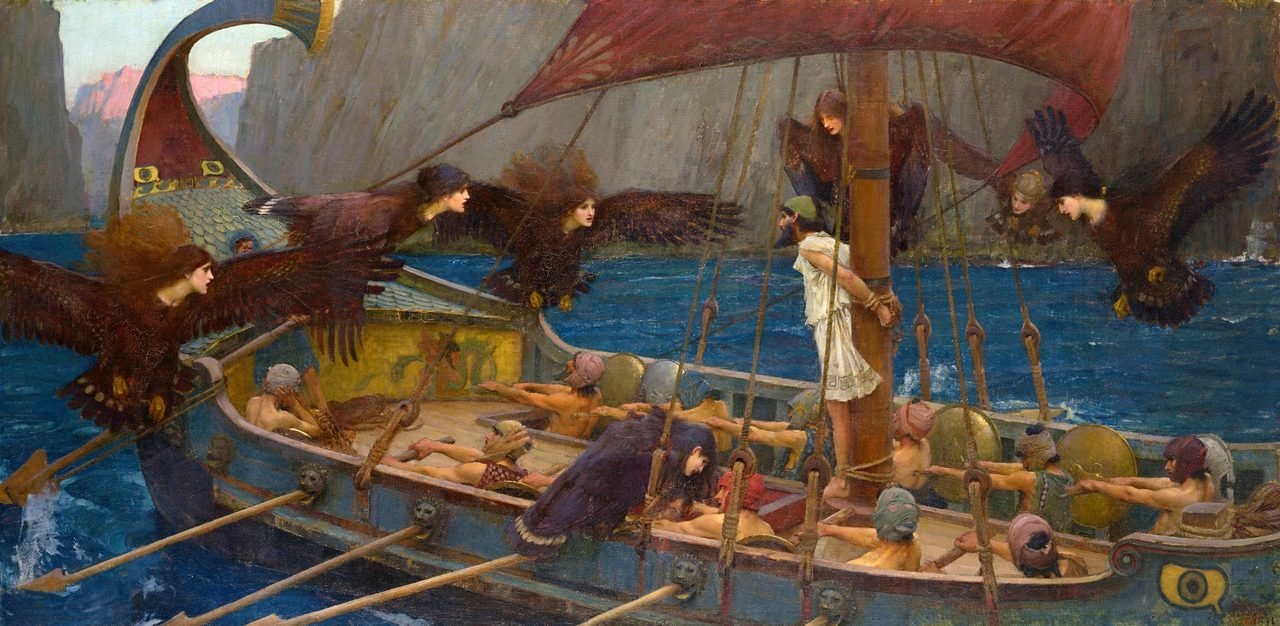
The Sirens used their enchanting song to lure sailors towards destruction. Odysseus ordered his crew to block their ears with wax and tie him securely to the mast. He could hear the song, but his men had strict instructions not to release him, however desperately he begged.
The siren song of easy money persuaded many people to invest without understanding the risks.
15A Cassandra Warning
Meaning in English: An accurate warning that people dismiss, ignore or refuse to believe.
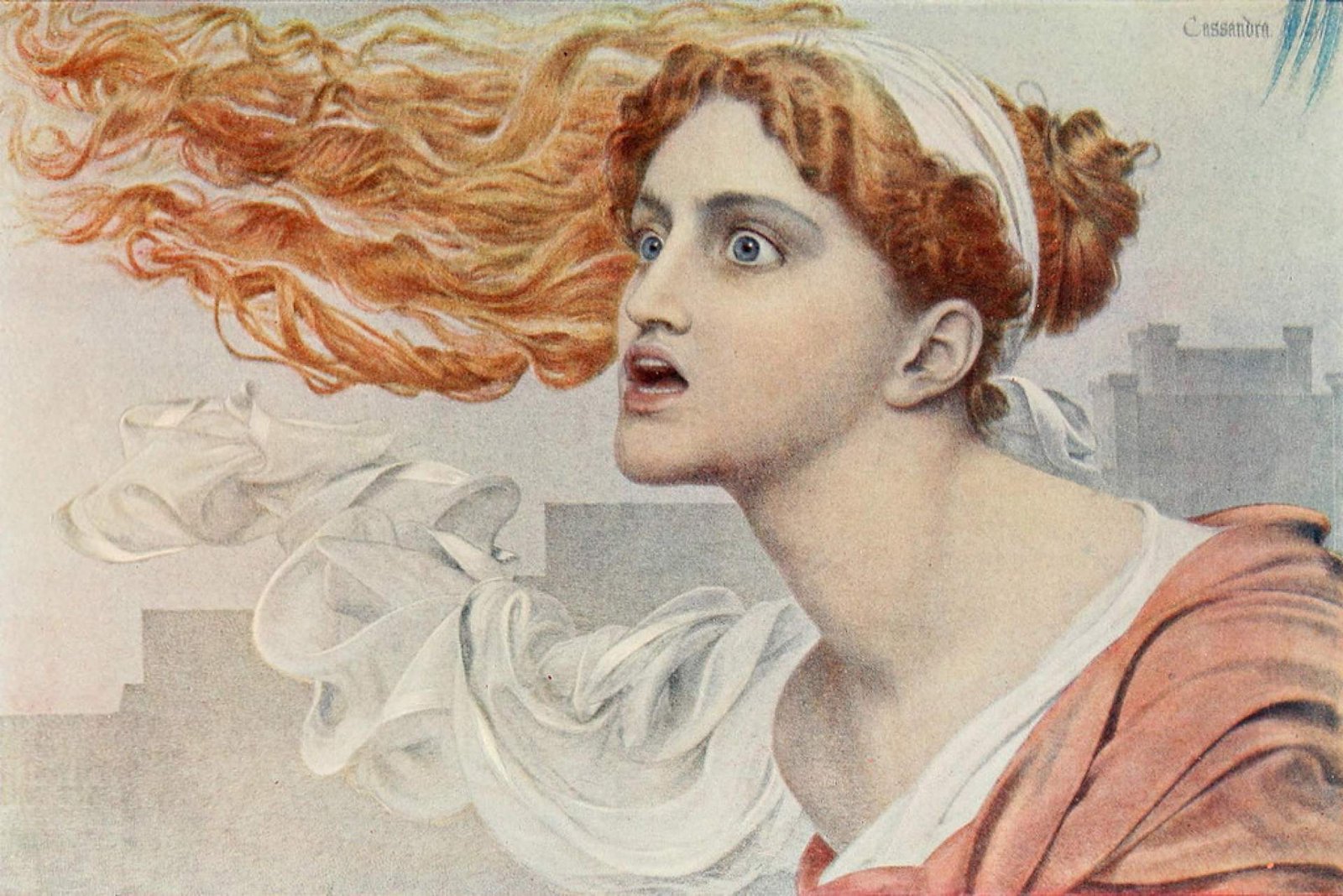
Cassandra, a princess of Troy, received the power to foresee the future. After she rejected Apollo, the god cursed her so that her prophecies would remain true but nobody would believe them. She foresaw the danger of the wooden horse and the destruction of Troy, yet her warnings changed nothing.
For years, climate scientists issued Cassandra warnings about extreme heat, only to be taken seriously after record temperatures arrived.
16Ariadne’s Thread
Meaning in English: A clue, method or guiding principle that helps someone navigate a complicated problem.
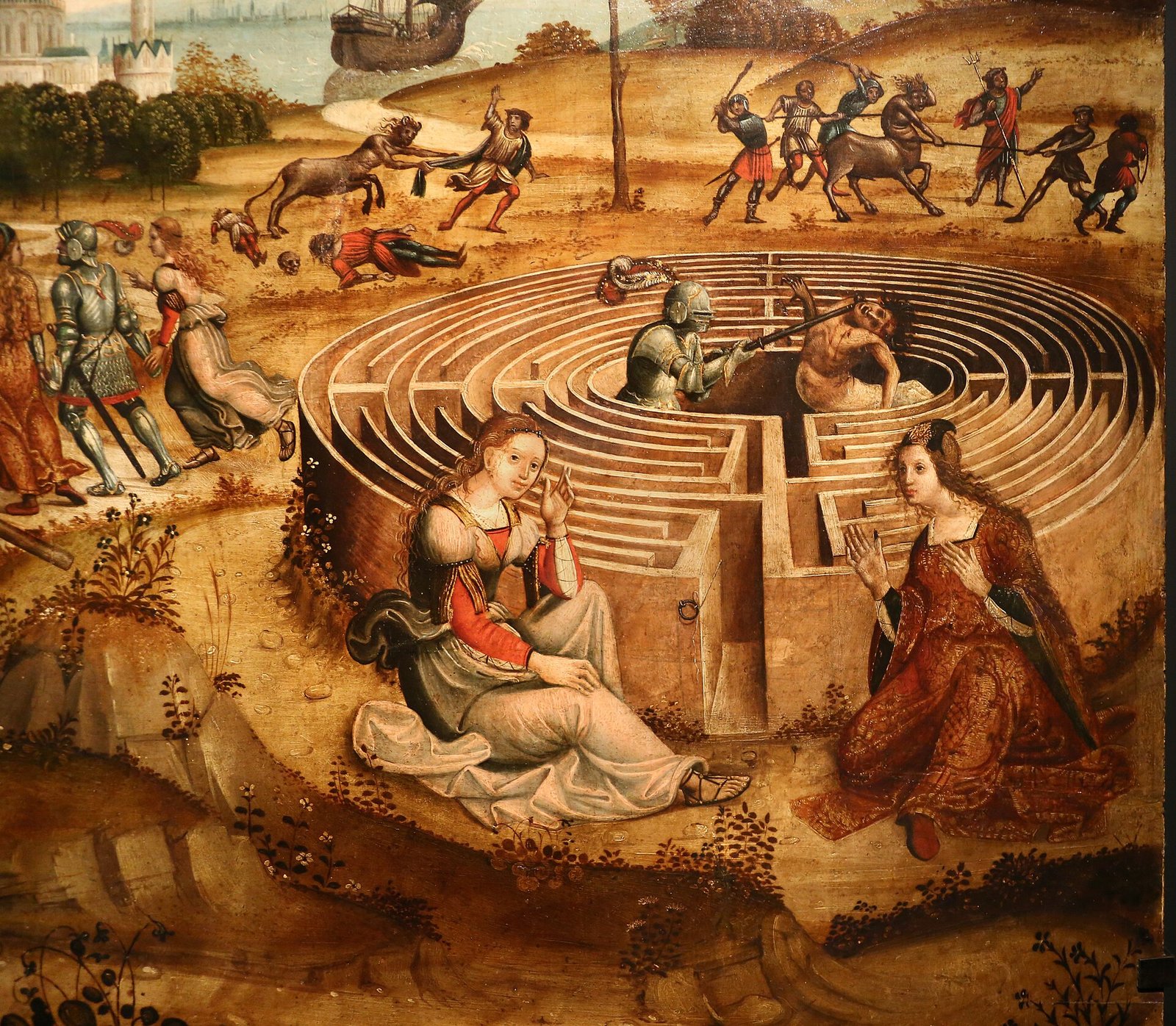
Ariadne gave Theseus a ball of thread before he entered the Labyrinth to kill the Minotaur. He secured one end at the entrance and unwound it as he moved through the maze. After defeating the monster, he followed the thread back to safety.
Her grandmother’s letters became Ariadne’s thread, guiding her through the hidden history of her family.
17The Apple of Discord
Meaning in English: The object, question or decision at the centre of a dispute.
Eris, the goddess of discord, was excluded from the wedding of Peleus and Thetis. In revenge, she threw a golden apple among the guests, inscribed “for the fairest”. Hera, Athena and Aphrodite each claimed it, and the Trojan prince Paris was asked to choose between them. He awarded the apple to Aphrodite after she promised him the love of Helen, the wife of Menelaus. Paris’s decision helped set the Trojan War in motion.
The question of who should inherit the family home became the apple of discord between the siblings.
18To Turn to Stone
Meaning in English: To become completely motionless or speechless because of fear, shock or horror.
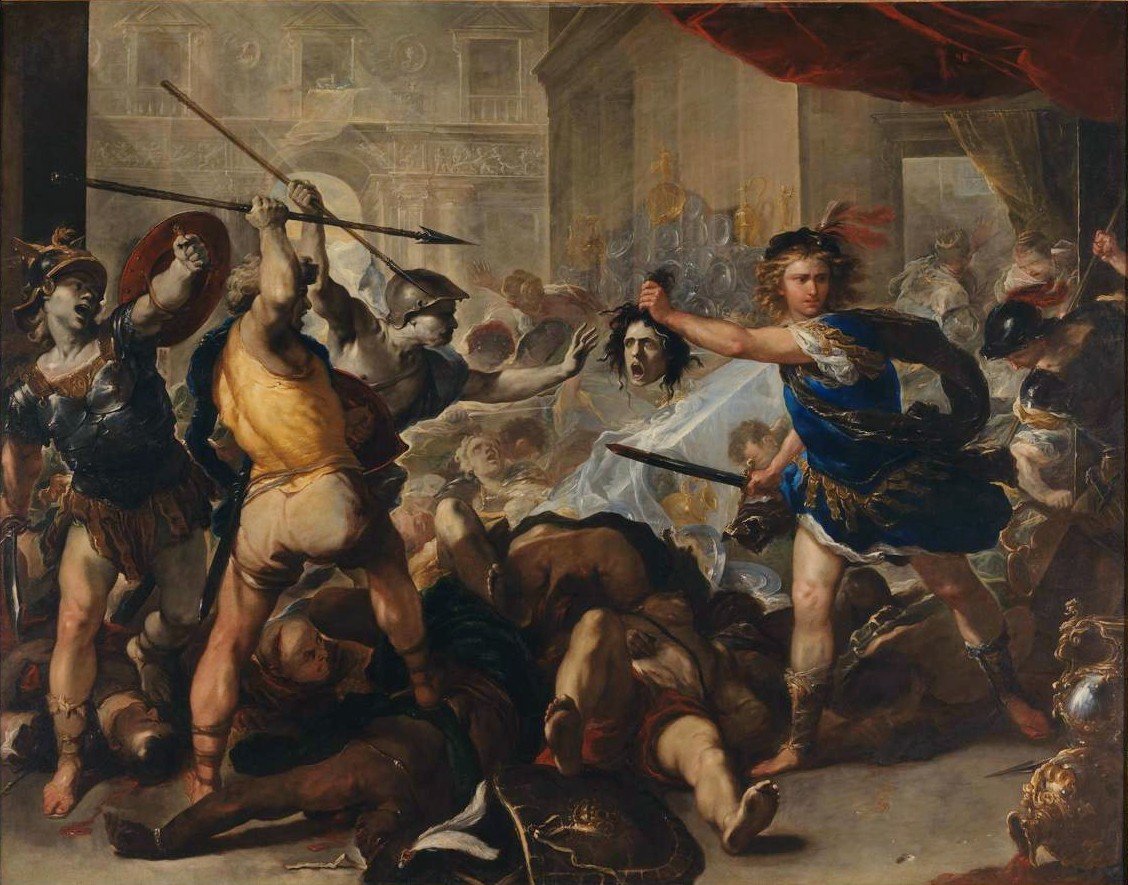
Medusa was the most famous of the Gorgons, monstrous figures whose gaze could instantly turn anyone who looked at them into stone. She was the only mortal Gorgon. Perseus killed her by using a reflective shield to avoid looking directly at her face, but her severed head retained its petrifying power. The myth lies behind the image of someone becoming completely motionless through fear, horror or shock.
He seemed to turn to stone when the doctor asked him to come into the consultation room.
Siren Song or Trojan Horse?
A siren song attracts you towards danger through temptation. A Trojan horse hides its danger inside something that appears harmless or useful.
Journeys, Personalities and States of Mind
Some mythological names became words for the kinds of people we meet, the journeys we undertake and the mental or emotional states through which we pass.
19Argus-Eyed
Meaning in English: Extremely observant, watchful and alert to small details.
Argus Panoptes was a many-eyed guardian, commonly described as having one hundred eyes. Because some could remain open while others slept, he became the perfect symbol of constant vigilance. After his death, Hera placed his eyes on the peacock’s tail.
The Argus-eyed editor noticed a contradiction that everyone else had overlooked.
20Stygian
Meaning in English: Exceptionally dark, gloomy, forbidding or reminiscent of the Underworld.
The word comes from the Styx, the principal river of the Greek Underworld. Charon ferried the dead across its waters, while the gods swore their most binding oaths by it. Anything described as Stygian therefore carries the darkness and menace associated with Hades.
When the lights failed, the theatre was plunged into Stygian darkness.
21Lotus-Eater
Meaning in English: A dreamy, idle or pleasure-seeking person who appears detached from responsibility and practical life.
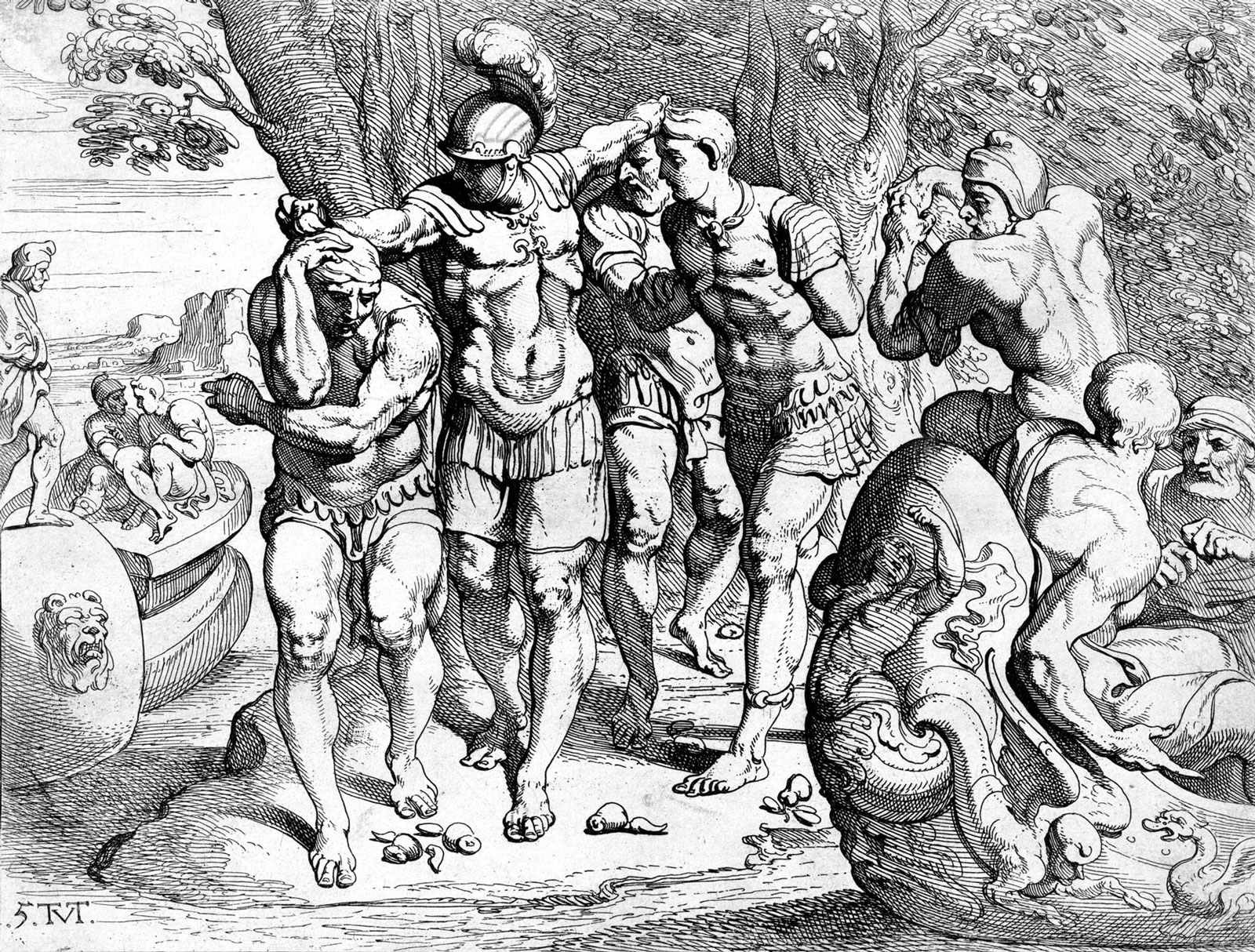
In the Odyssey, Odysseus’ men encounter people who eat the lotus. Those who taste it lose their desire to return home and want only to remain where they are. Odysseus has to drag his affected companions back to the ships and force the journey to continue.
After months of drifting between beaches and cafés without making any plans, he began to feel like a lotus-eater.
22To Rise Like a Phoenix from the Ashes
Meaning in English: To recover, rebuild or return with renewed strength after destruction, defeat or collapse.
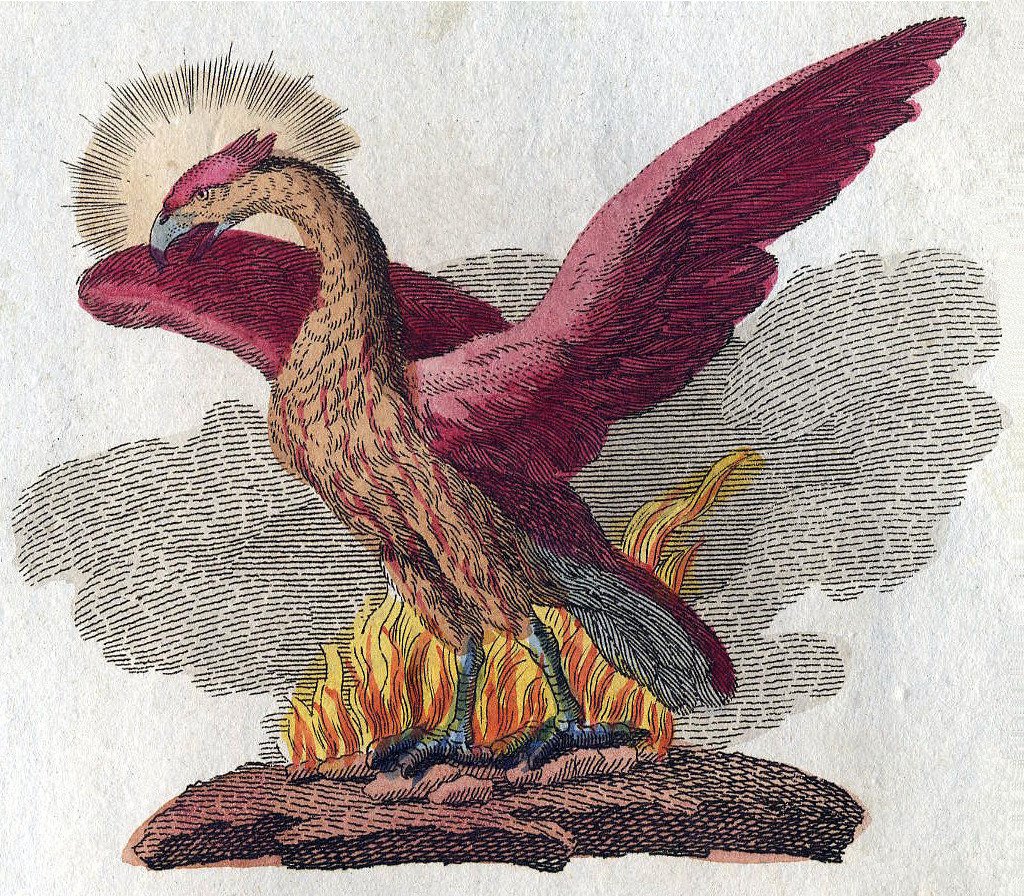
The phoenix was a magnificent bird said to live for centuries. At the end of its life, it was consumed by fire and a new phoenix emerged from what remained. Greek and Roman writers helped carry the story into Western tradition, although the bird also has older eastern associations.
After a fire destroyed the independent bookshop, an online campaign helped it rise like a phoenix from the ashes.
23Mentor
Meaning in English: An experienced and trusted person who advises and supports someone with less experience.
Mentor was an older friend of Odysseus, whom the king trusted to look after his household while he was away at Troy. In the Odyssey, Athena sometimes takes Mentor’s appearance when guiding Odysseus’ son, Telemachus. The name later developed into the English word mentor, meaning a trusted and experienced adviser, especially after François Fénelon’s 1699 book The Adventures of Telemachus, in which Mentor plays a prominent role as the young prince’s guide.
A former teacher became her mentor, offering honest advice whenever she faced an important decision.
24Odyssey
Meaning in English: A long, eventful journey involving difficulty, change or discovery.
The word comes from Homer’s Odyssey, the epic account of Odysseus’ ten-year struggle to return to Ithaca after the Trojan War. His route includes storms, monsters, temptation, captivity, divine hostility and the loss of every companion who left Troy with him.
Their journey home after the airport closed became a three-day odyssey involving ferries, buses and an unexpected night in another country.
25Tantalise
Meaning in English: To tempt someone with something desirable while keeping it frustratingly beyond reach.
Tantalus was punished in the Underworld by standing in water beneath fruit-filled branches. Whenever he attempted to drink, the water receded. Whenever he reached for food, the branches moved away. The object of desire remained permanently visible and permanently inaccessible.
The restaurant tantalised passers-by with the smell of freshly baked bread and spices.
Shape-Shifters, Giants, Monsters and Inspiration
The final group shows how vividly mythical beings survived inside English. Sea gods became adjectives, giants became measurements of scale, monsters became impossible fantasies and goddesses of the arts became the source of creative inspiration.
26Protean
Meaning in English: Highly changeable, versatile or able to assume many different forms and roles.
Proteus was an old sea god with prophetic knowledge who could transform himself into different animals, substances and natural forms to avoid answering questions. His shape-shifting power gave English an adjective for anything remarkably flexible or varied.
Her protean career has moved effortlessly between journalism, documentary film, podcasting and digital art.
27Titanic
Meaning in English: Enormous in scale, strength, power or ambition.
The Titans were the powerful divine generation that ruled before the Olympian gods. Zeus and his allies defeated them in the Titanomachy, the great struggle between the two generations. Their immense power gave English the adjective titanic.
Bringing lasting peace to a deeply divided society is a titanic undertaking.
28Cyclopean
Meaning in English: Enormous, massive or constructed from exceptionally large blocks of stone.
The Cyclopes were one-eyed giants in Greek mythology. Later Greeks looking at the immense Bronze Age walls of places such as Mycenae believed that only beings of Cyclopean strength could have moved and positioned stones of that size.
The abandoned industrial complex stood beside the harbour like a Cyclopean monument from another age.
29Chimera—and Chimerical
Meaning in English: An impossible fantasy, unrealistic hope or thing composed of strikingly different parts.
The Chimera was a fire-breathing hybrid monster, usually described as part lion, part goat and part serpent. Bellerophon defeated it while riding the winged horse Pegasus. Its unnatural combination made the creature a lasting symbol of something imaginary or impossible.
The belief that success can be achieved without sacrifice may prove to be a chimera.
30Muse
Meaning in English: A person, place or idea that inspires artistic or intellectual creation.
The Muses were nine sister goddesses, traditionally described as the daughters of Zeus and Mnemosyne, the goddess of memory. Each was associated with a particular art or field of knowledge: Calliope with epic poetry, Clio with history, Erato with love poetry, Euterpe with music, Melpomene with tragedy, Polyhymnia with sacred poetry, Terpsichore with dance, Thalia with comedy and Urania with astronomy. Ancient poets often invoked the Muses for inspiration and authority before beginning a great work. Their name survives in the modern word muse, meaning a source of creative inspiration, as well as in related words such as music and museum.
The changing light of the Aegean became the artist’s lifelong muse.
Have You Mastered Your Mythological English?
Ten modern situations, ten mythological answers.
Choose the word or expression that fits each situation, then open the question to reveal the answer.
1. A long-hidden family secret is revealed and suddenly causes accusations, old resentments and several new problems.
Pandora’s box. A single action has released consequences that are difficult to contain.
2. A charming promise of effortless wealth persuades people to ignore obvious risks.
A siren song. The attraction is powerful, but following it may lead to harm.
3. A harmless-looking email attachment secretly gives criminals access to confidential information.
A Trojan horse. The danger is concealed inside something that appears safe or useful.
4. A working parent must choose between missing an important meeting and disappointing a child who needs support.
Between Scylla and Charybdis. Either choice carries a serious cost.
5. Scientists repeatedly warn that extreme heat will become more dangerous, but meaningful action comes only after record temperatures arrive.
A Cassandra warning. The warning is accurate, yet people refuse to take it seriously in time.
6. Residents begin rebuilding an entire town after a devastating wildfire.
A Herculean task. The undertaking requires extraordinary effort, but it can eventually be completed.
7. Parents tidy the house every evening, only to find it in complete disorder again the following morning.
A Sisyphean task. The work repeatedly returns to its starting point.
8. A performer becomes famous overnight, stops listening to advice and begins taking increasingly reckless risks.
To fly too close to the sun—or Icarus syndrome. Early success has produced overconfidence and a loss of perspective.
9. A bundle of old letters provides the clue that allows a woman to reconstruct her family’s hidden past.
Ariadne’s thread. One guiding clue leads the way through a complicated story.
10. After losing her business in a fire, a bookseller rebuilds it and returns with a larger, stronger community behind her.
To rise like a phoenix from the ashes. She has recovered and rebuilt after destruction.
How did you do?
8–10: You speak fluent myth.
5–7: You have found Ariadne’s thread.
0–4: Do not call it a Sisyphean task—scroll back and try again.
Sources
Continue Exploring Greek Stories
Explore more Xpat.gr features on the stories, language and history that continue to shape Greece:
• The Odyssey Keeps Returning: Odysseus, Ithaca and the Story That Never Ends
• The Epic Name-Off: How Athens Got Its Name
• Greek History Explained: A Clear Timeline for Expats & Foreign Residents
• Modern Greek Literature in English: Essential Writers and 20 Books to Start With
• World Greek Language Day: Why This First Celebration Matters
• Greek Mythology in Hamnet: Why the Story of Orpheus Still Moves Us