
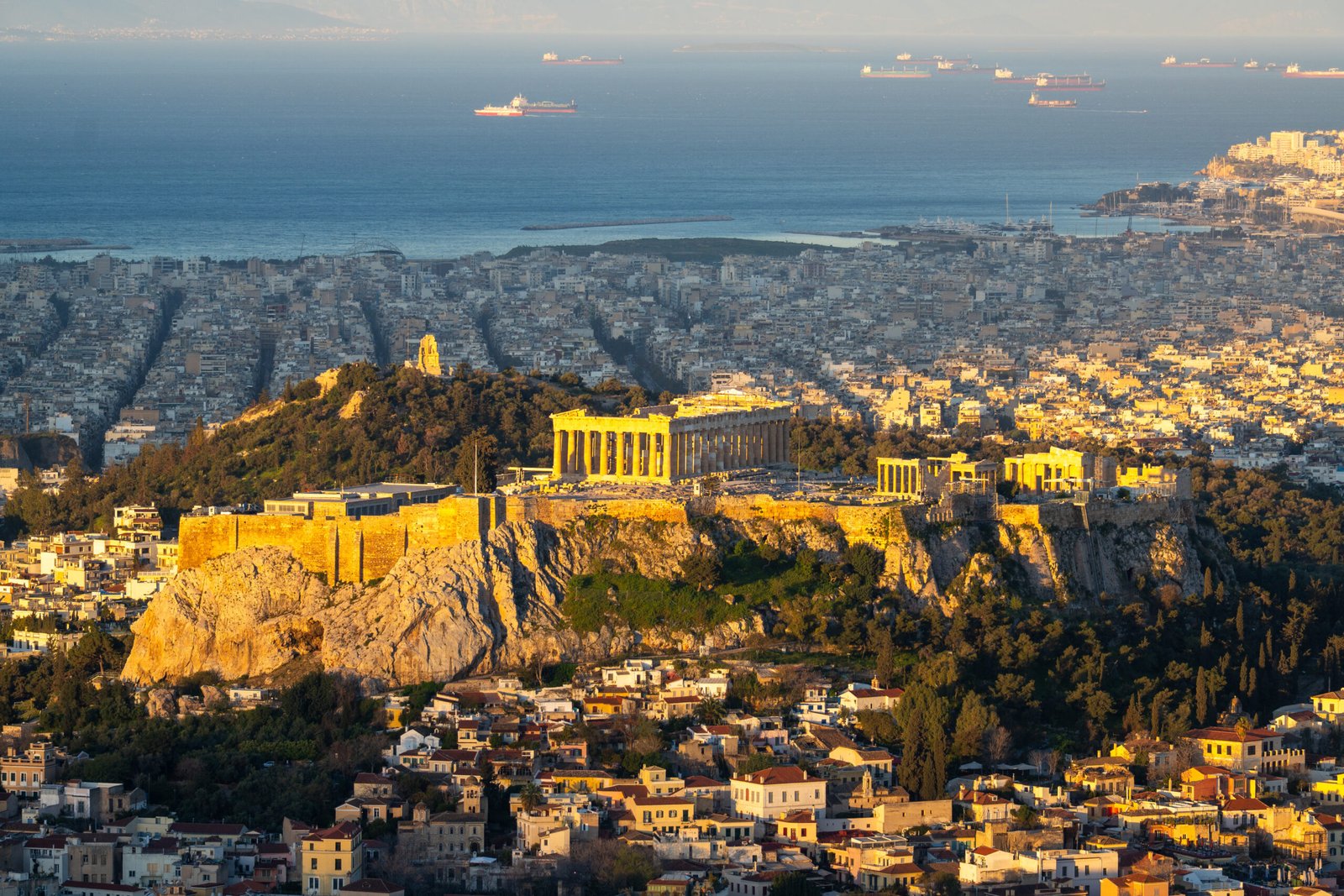
For many foreigners, Athens is a city of contradictions. It is a European capital whose most famous monument is nearly 2,500 years old, a modern metropolis where ancient ruins appear in everyday life, and a place where the past has never completely disappeared.
Few cities in the world can claim a historical legacy comparable to that of Athens. The concepts of democracy, citizenship, public debate and philosophical inquiry that emerged here would influence societies far beyond Greece, while the monuments built on its hills became symbols recognised across the globe.
For expats living in Greece, understanding Athens means understanding much of the country’s story. The city has been continuously inhabited for more than six millennia and has experienced periods of greatness, decline, conquest, revival and transformation. Its history is not confined to museums and archaeological sites; it remains woven into the city’s streets, institutions and identity.
Athens at a Glance
c. 4000 BCΕ
3.72 million
35.3% of the population
1834
Birthplace of Democracy
Acropolis
Piraeus
8th Largest Metropolitan Area
Athens is home to approximately 3.72 million people, meaning that more than one in three Greeks (35.3%) lives in the wider Athens metropolitan area.
Why This Guide Matters
Many foreigners arrive in Athens expecting a city centred entirely around the Acropolis. Instead, they discover a layered capital shaped by more than 6,000 years of continuous history. Understanding that history helps explain why Athens looks, feels and functions so differently from many other European capitals.
This guide follows the story of Athens from its prehistoric origins and legendary heroes to the birth of democracy, the glory of the Classical Age, the centuries of Roman, Byzantine, Frankish and Ottoman rule, and finally its emergence as the capital of the modern Greek state.
In This Article
🧭 Click on any section to jump directly to that part of the guide.
The Origins of Athens
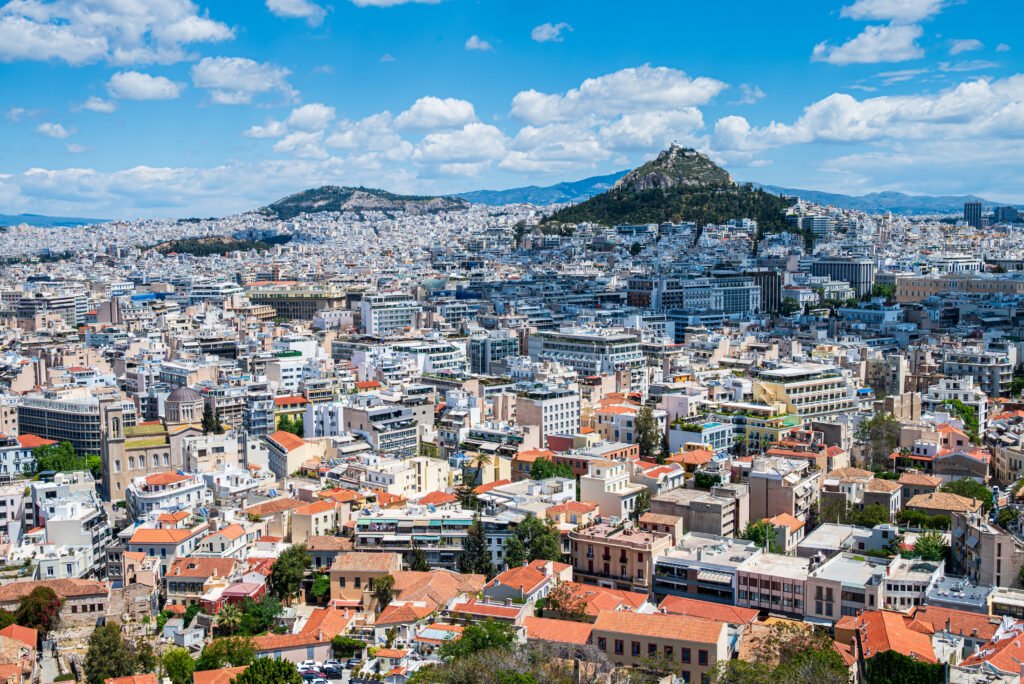
Athens (Αθήνα, Athína in Greek) is one of Europe’s oldest continuously inhabited cities, with a history spanning more than 6,000 years. Archaeological evidence suggests that people were already living in the area during the Neolithic period, long before the rise of classical Greece and centuries before the city’s most famous monuments were built.
The settlement developed within the Attic basin, a fertile plain surrounded by the mountains of Hymettus, Penteli, Parnitha and Aigaleo. To the southwest lay the Saronic Gulf, whose maritime routes connected Attica with the wider Mediterranean world. This combination of natural protection, fertile land and access to the sea helped lay the foundations for the city’s future importance.
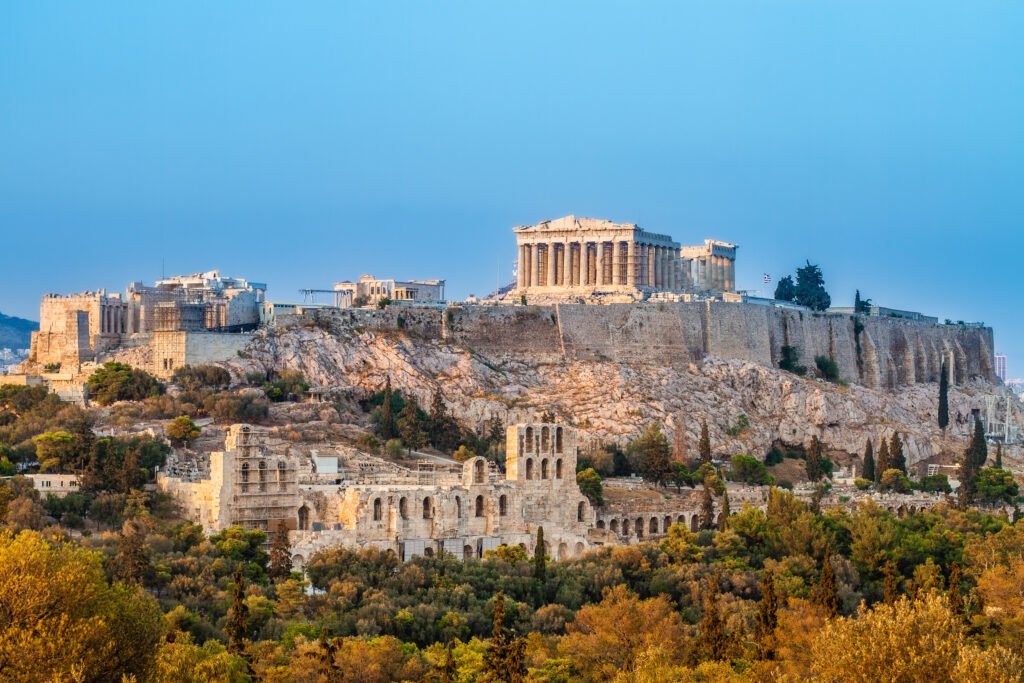
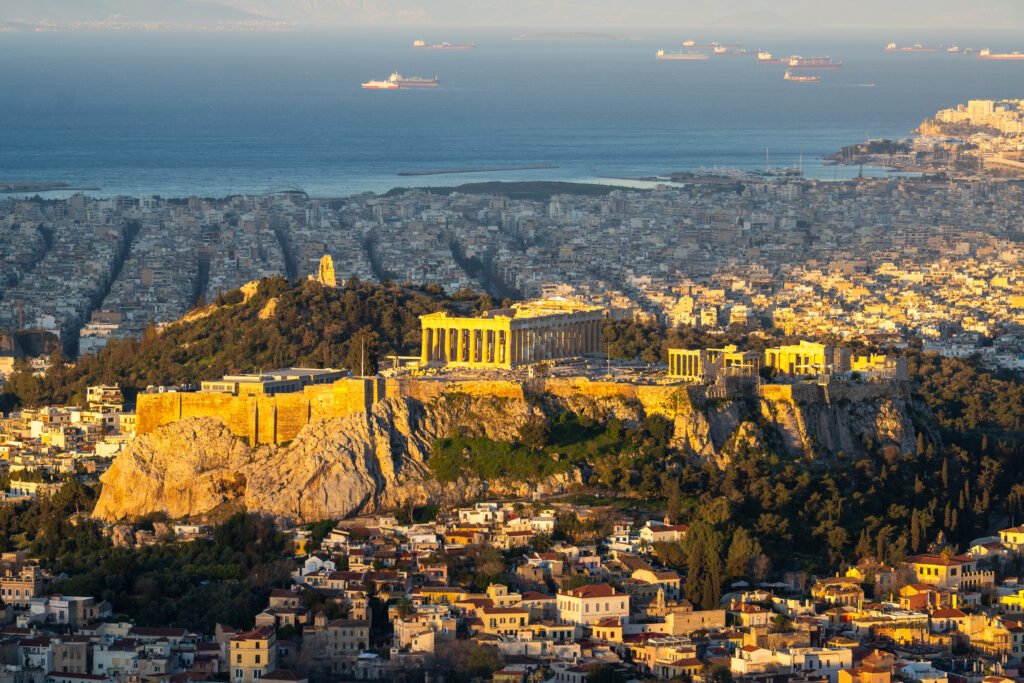
At the heart of this landscape stood the Acropolis, a rocky limestone outcrop rising above the surrounding plain. Long before it became a sacred sanctuary crowned by temples, the Acropolis served as a natural fortress and refuge. Its elevated position provided security, visibility and a focal point around which the earliest settlement gradually expanded.
Over time, Athens grew from a prehistoric community into the dominant city of Attica. Yet even as the city expanded beyond the Acropolis, the rocky hill remained its symbolic and spiritual centre. The close relationship between landscape, religion and civic identity would shape Athenian history for centuries to come.
Why Geography Mattered
Athens occupied a unique position between mountains and sea. The surrounding ranges offered protection, while access to the Saronic Gulf encouraged trade, communication and, eventually, naval power. Geography would play a crucial role in Athens’ rise from a regional settlement to one of the most influential cities of the ancient world.
The earliest Athenians could not have imagined that their settlement would one day influence philosophy, politics, architecture and culture across much of the world. Yet the foundations of that remarkable story were already being laid in these prehistoric centuries.
Athena, Poseidon and the Heroes of Athens
Long before Athens became famous for democracy, philosophy and empire, its inhabitants explained the city’s origins through myths. These stories helped Athenians understand who they were, where they came from and why their city occupied such a special place in the Greek world.
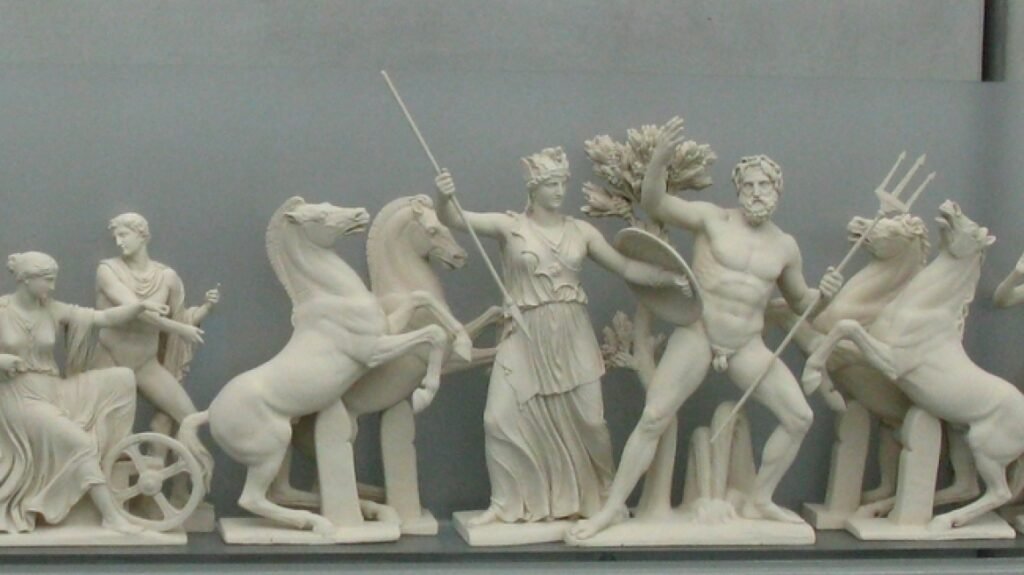
According to legend, the city did not always bear the name Athens. The most famous myth tells of a contest between Athena, goddess of wisdom, and Poseidon, god of the sea. Both wished to become the patron deity of the growing settlement and offered gifts to its people.
Poseidon struck the Acropolis with his trident, producing a spring of water. Athena responded by planting an olive tree, a gift that promised food, oil, wood and prosperity. The citizens judged Athena’s gift to be more valuable and chose her as their protector. The city was thereafter named Athens in her honour.
For a more contemporary and relatable take on this famous myth, readers may also enjoy our article, The Epic Name-Off: How Athens Got Its Name.
The story was more than a myth. It reflected the values Athenians admired: wisdom over force, long-term prosperity over immediate power and civic identity over conquest.
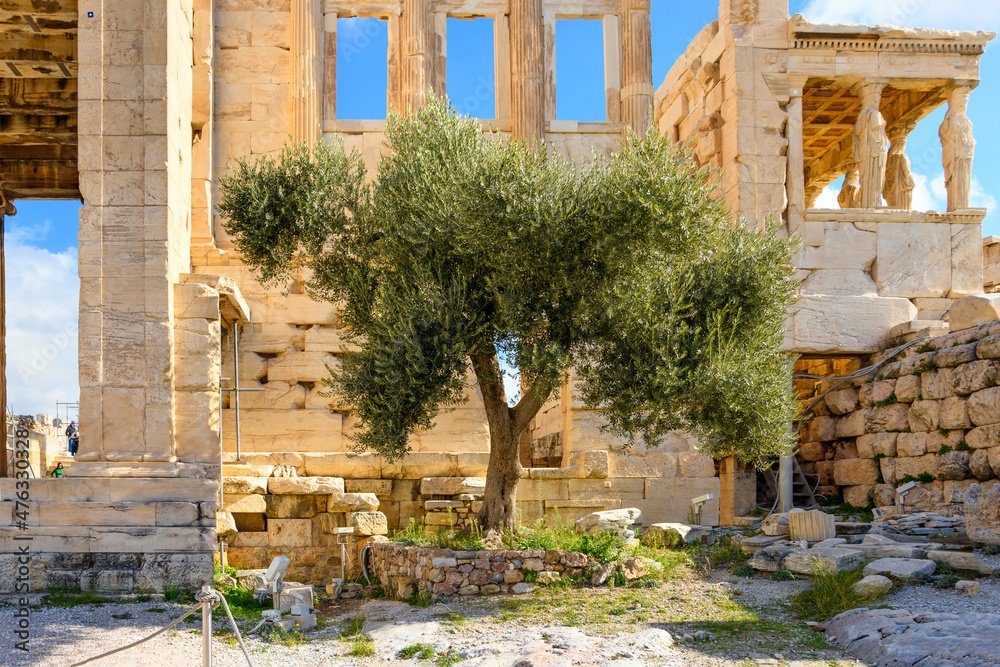
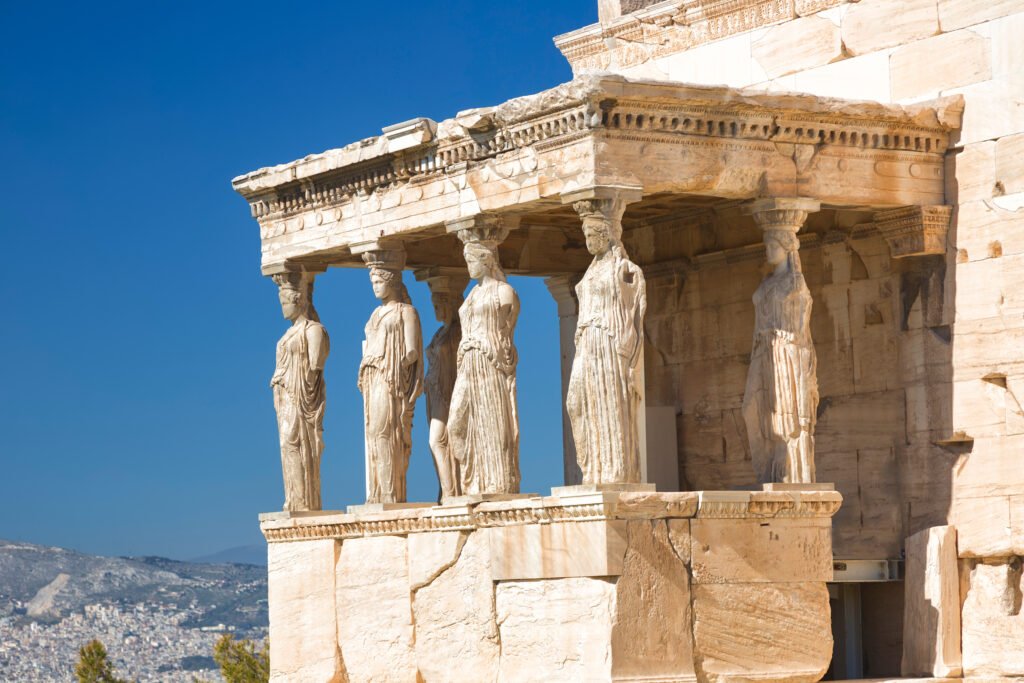
Even today, visitors encounter echoes of this legend on the Acropolis. The Erechtheion, famous for its Caryatid Porch, was believed to stand on the site of the contest. Ancient Athenians pointed to a sacred olive tree and marks in the rock as evidence of Athena and Poseidon’s presence.
The olive tree visible near the Erechtheion today is not the original tree from antiquity. Nevertheless, it symbolically continues one of the city’s oldest traditions. Readers interested in learning more about Greece’s remarkable olive heritage can also read Discover the Ancient Olive Trees of Greece.
Another important figure in Athenian mythology was Cecrops, the city’s legendary first king. Often depicted as half man and half serpent, Cecrops was believed to have founded Athens and acted as judge in the contest between Athena and Poseidon.
Perhaps the most celebrated Athenian hero was Theseus. According to myth, he travelled to Crete and defeated the Minotaur within the Labyrinth. Yet Athenians remembered him for something even more important: he was credited with uniting the scattered communities of Attica into a single political entity under Athens, a process known as the synoikismos.
Why These Myths Matter
For Athenians, mythology was not simply entertainment. These stories connected the city to the gods, explained its institutions and provided a shared identity that endured for centuries. Even today, references to Athena, Theseus and the olive tree remain woven into the cultural fabric of Athens.
How Athens Invented Democracy
Legends explained how Athens received its name, but politics gave the city its most enduring global legacy. During the Archaic Period (700–480 BCE), Athens experienced growing tensions between old aristocratic families and new groups enriched by trade, crafts and maritime activity.
Traditional landowning elites no longer held uncontested power. As commerce and shipping expanded, wealth and influence spread to new social groups, while many poorer farmers struggled with debt. These pressures created demands for social justice, debt relief and broader political participation.
One of the first major reformers was Solon, appointed archon in 594 BCE. His reforms abolished debt slavery, eased social tensions and opened parts of political life beyond the old aristocracy. Solon did not create democracy as later Athenians knew it, but he laid essential foundations.
Later, Cleisthenes reorganised the citizens of Attica into new political units, reducing the power of aristocratic clans and strengthening the idea of citizenship. This helped transform Athens from a society dominated by noble families into a political community in which citizens had a more direct role in public affairs.
Democracy, But Not for Everyone
Athenian democracy was revolutionary for its time, but it was limited. Political rights belonged to adult male citizens. Women, enslaved people and foreign residents known as metics were excluded from voting and holding public office.
The democratic system reached its most famous form in the 5th century BCE, especially under the leadership of Pericles. Citizens gathered in the Assembly to debate laws, approve public spending, decide foreign policy and vote on matters of war and peace. This was not representative democracy in the modern sense; it was a direct system in which citizens participated personally.
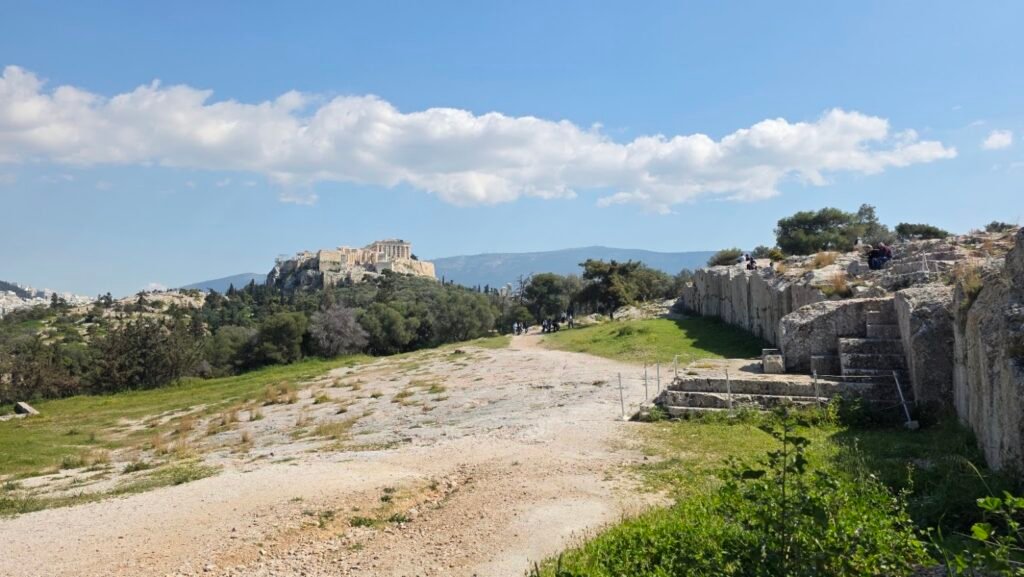
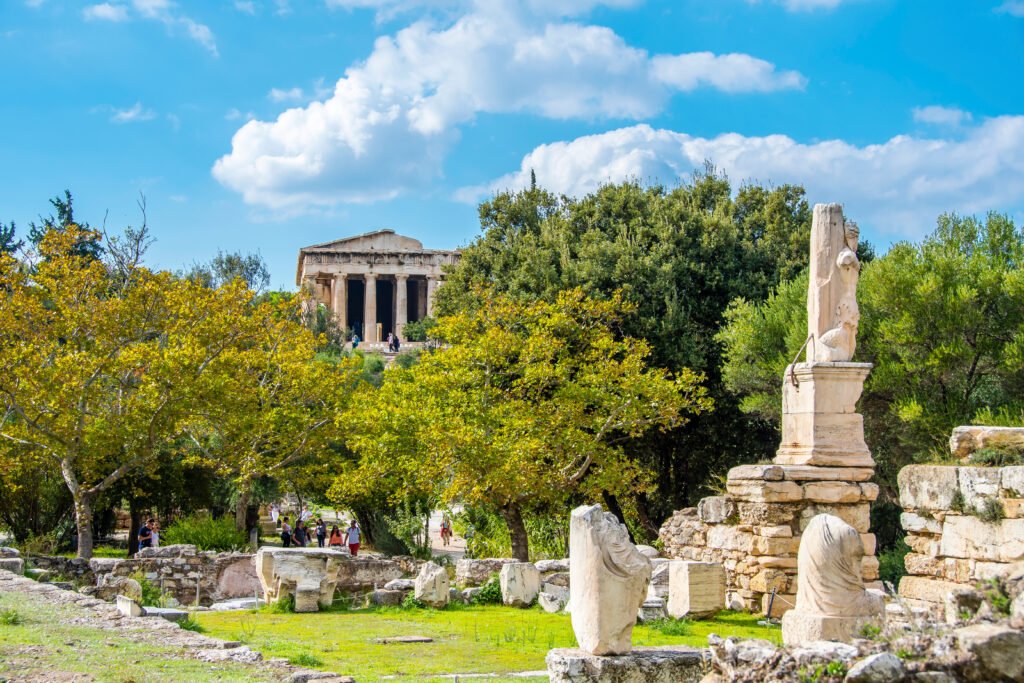
For visitors and foreign residents today, the geography of Athenian democracy is still visible. The Pnyx Hill, west of the Acropolis, served as the meeting place of the Assembly, while the Ancient Agora became the centre of public, commercial and political life.
The Athenian experiment was imperfect, exclusive and often turbulent. Yet its ideas changed history. Concepts such as citizenship, public debate, accountability and civic participation first took political shape in Athens and continue to influence democratic societies around the world.
The Golden Age of Athens (480–323 BCE)
While Athens was developing its democratic institutions, a powerful empire was expanding in the east. In the early 5th century BCE, the Persian Empire launched a series of invasions of mainland Greece. The victories achieved by the Greek city-states at Marathon (490 BCE), Salamis (480 BCE) and Plataea (479 BCE) preserved Greek independence and paved the way for Athens’ rise as the leading power of the Greek world.
The period that followed is often described as the Golden Age of Athens, the most celebrated chapter in the city’s history. During the Classical Period (480–323 BCE), Athens reached the height of its political influence, economic prosperity and cultural achievement. The city became one of the most powerful and admired centres of the ancient world.
This rise was not accidental. Athens had already been transformed by the gradual development of democratic institutions under Solon, Cleisthenes and, later, Pericles. Their reforms expanded political participation and laid the foundations of a system of government that, although limited to male citizens, became one of history’s most influential experiments in democracy. At the same time, a series of outstanding political and military leaders, including Miltiades, Themistocles, Aristides and Cimon, helped strengthen the city and secure its position in the Greek world.
The turning point came in 480 BCE, when the Persian invasion brought destruction to Athens but also set the stage for its greatest rise. After the Greek victory at the naval Battle of Salamis, Athens emerged as the leading maritime power in the Aegean. Its navy, alliances and wealth allowed the city to expand its influence far beyond Attica.
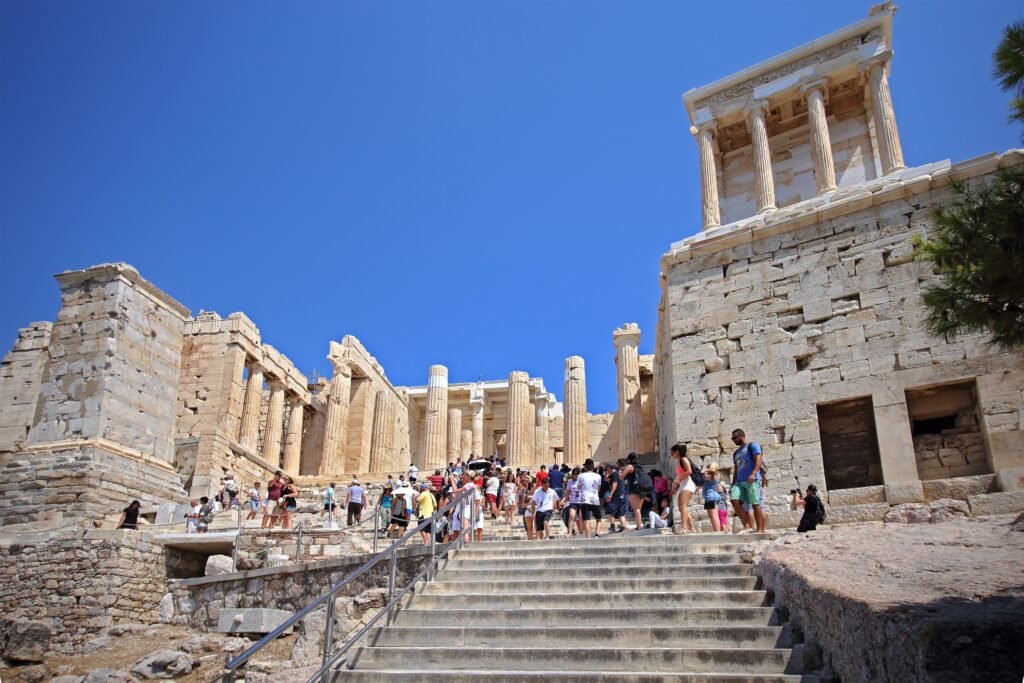
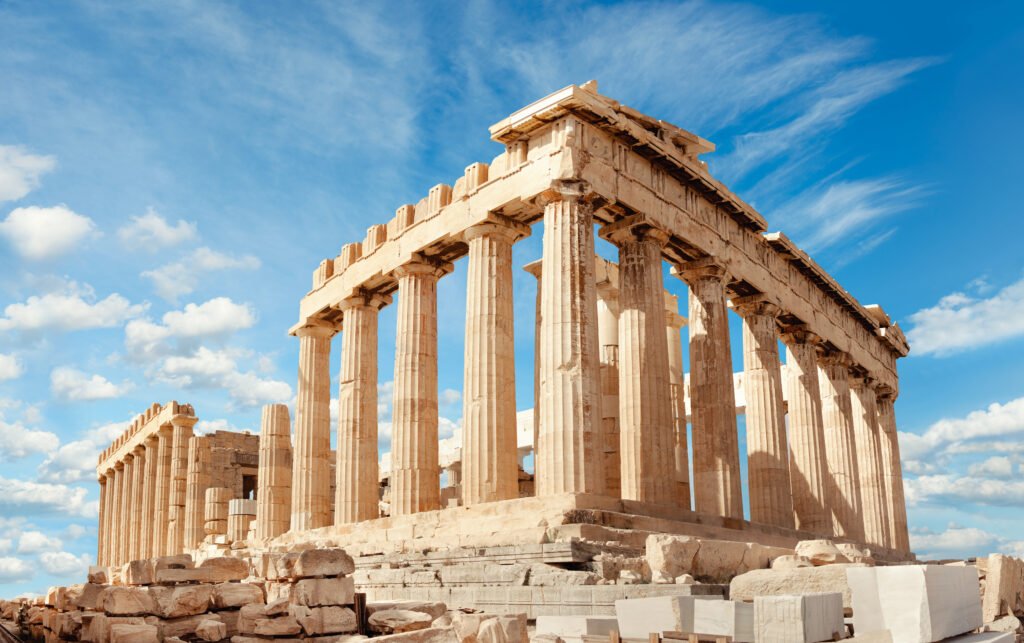
Under the leadership of Pericles, Athens entered its most celebrated phase. Pericles envisioned an ambitious building programme that would transform the Acropolis and place Athens permanently in the memory of world civilisation. The Parthenon, Propylaea, Erechtheion, Temple of Athena Nike and major works around the Ancient Agora all reflected the confidence, wealth and artistic genius of the city during the 5th century BCE.
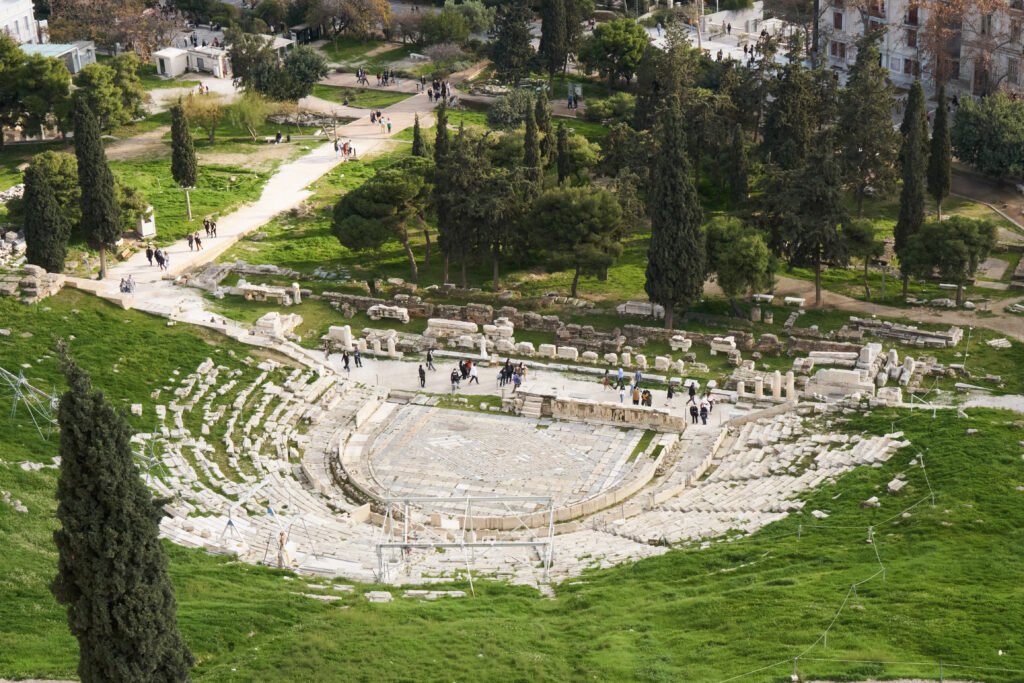
Yet Athens’ greatest achievements extended far beyond its monuments. Athens also became the birthplace of classical theatre. Playwrights such as Aeschylus, Sophocles, Euripides, Aristophanes and later Menander created works that explored justice, war, leadership, morality and human nature. Their plays were performed before thousands of spectators in the Theatre of Dionysus on the southern slopes of the Acropolis, where drama became part of civic and religious life.
At the same time, Athens became a centre of intellectual inquiry unlike anything the world had previously seen. Philosophers questioned traditional beliefs, explored ethics and searched for rational explanations of human life and the natural world. Socrates challenged Athenians to examine their assumptions, Plato founded the Academy, and Aristotle later shaped fields ranging from politics and logic to biology and ethics.
Did You Know?
The word “academy” comes from Plato’s Academy in Athens. Many modern ideas about democracy, philosophy, education, public debate and civic participation trace their intellectual roots to Classical Athens.
Despite its brilliance, the Golden Age was not free from conflict. After Athens rose to dominate many of its allies, tensions with Sparta and other Greek city-states erupted into the Peloponnesian War (431–404 BCE). The war weakened Athens severely and ended its political supremacy, although not its cultural influence.
In the following centuries, Athens came under the influence of Macedon. After the Battle of the Granicus, Alexander the Great sent 300 Persian shields to be dedicated on the Acropolis, a symbolic gesture that connected his campaign against Persia with the memory of earlier Greek victories. By the time of Alexander’s death in 323 BCE, the Classical Period had come to an end, but Athens’ intellectual and artistic legacy continued to shape the wider Greek and Mediterranean world.
Athens Under Rome (146 BCE–330 CE)
Following the decline of the Classical city-state system and the rise of Macedonian power, Athens gradually lost its political independence. After Greece came under Roman control during Roman Greece (146 BCE–330 CE), the city ceased to be a major political power. Yet Athens retained something equally valuable: its reputation as the intellectual and cultural capital of the Greek world.
Roman elites regarded Athens with enormous admiration. Wealthy young Romans travelled there to study philosophy, rhetoric and literature, much as students travel abroad to prestigious universities today. The city’s schools attracted visitors from across the Mediterranean, ensuring that Athens remained a centre of learning long after its political influence had faded.
The Roman period was not without hardship. In 86 BCE, the Roman general Sulla besieged and captured Athens during the First Mithridatic War. Parts of the city suffered extensive destruction, and many treasures were carried away. Despite this setback, Athens gradually recovered and entered a new phase of prosperity under Roman rule.
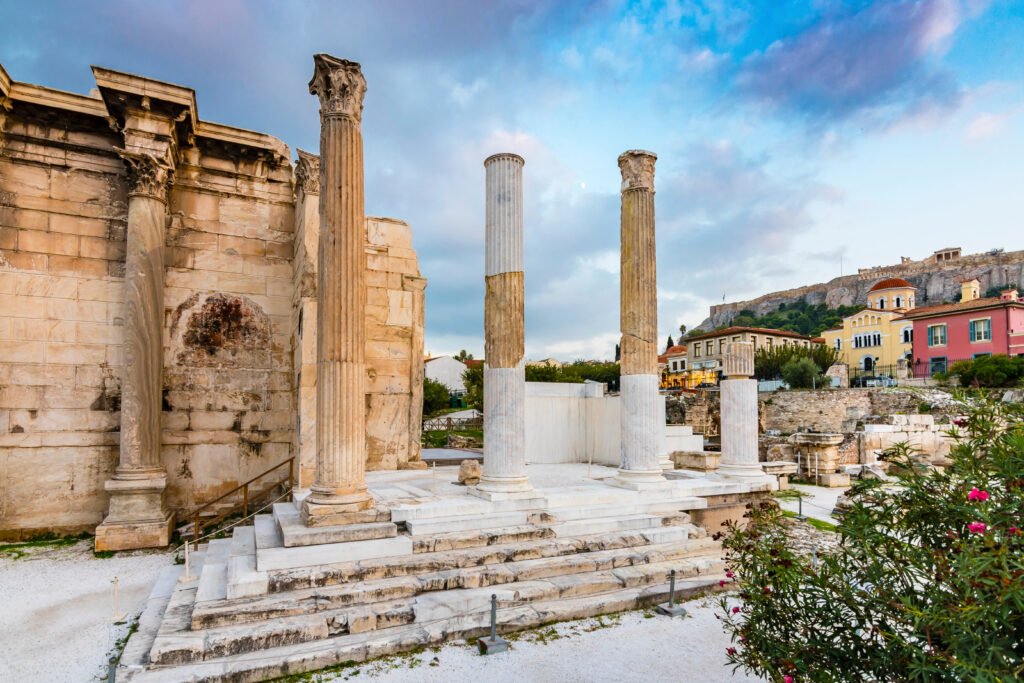
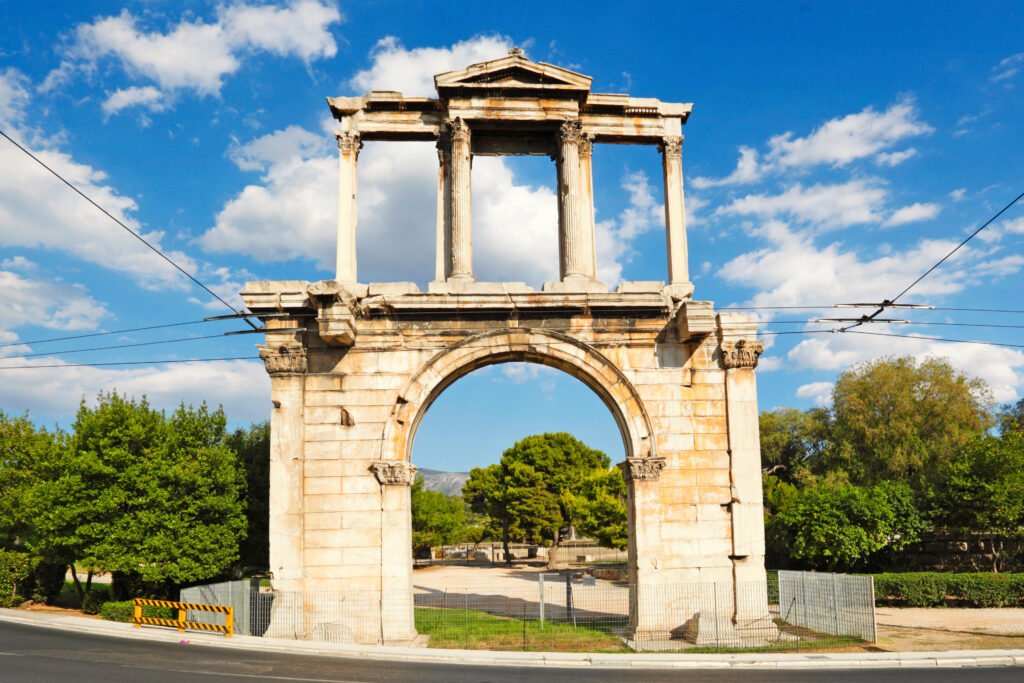
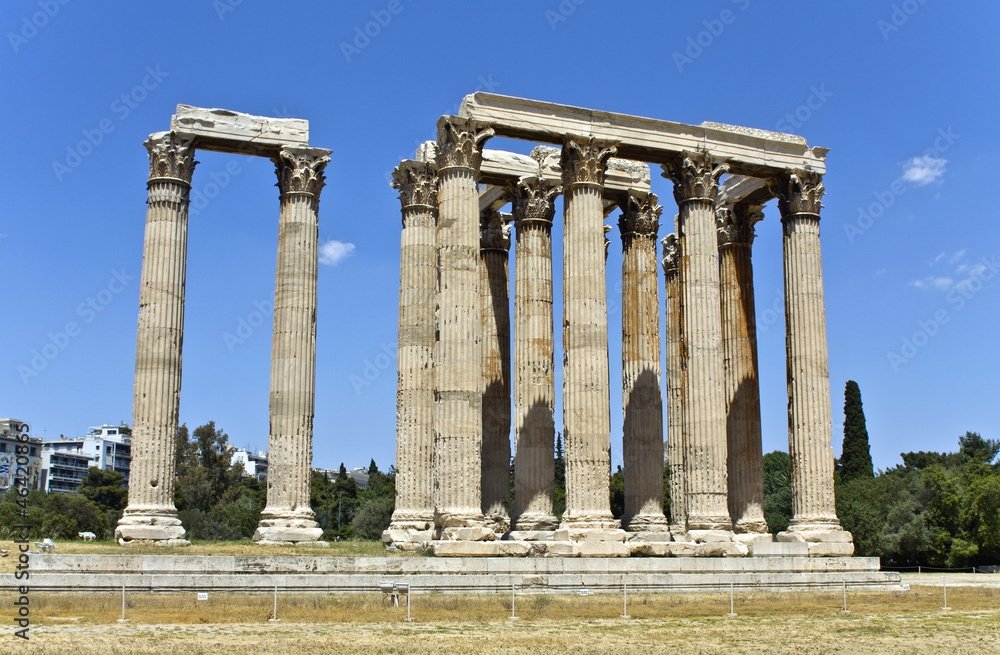
Several Roman emperors became important benefactors of the city, none more so than Hadrian, who ruled from 117 to 138 CE. A passionate admirer of Greek culture, Hadrian funded numerous public works and left a lasting mark on Athens. Among the monuments associated with his reign are Hadrian’s Library, sections of the city’s infrastructure and the completion of the monumental Temple of Olympian Zeus, whose construction had begun centuries earlier.
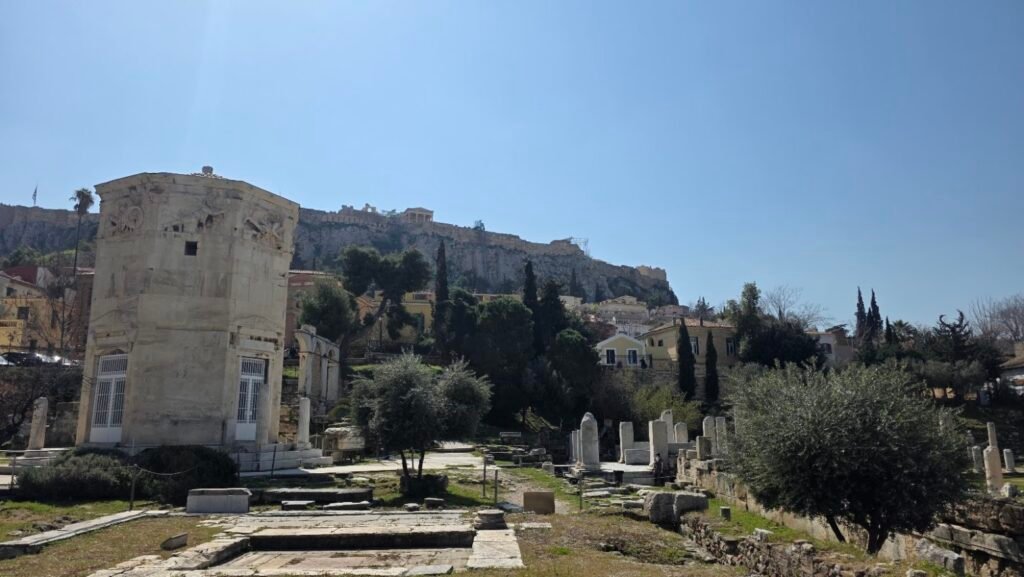
The Roman era also transformed the urban landscape. New public spaces appeared, including the Roman Agora, which became an important commercial and administrative centre. Nearby stands the famous Tower of the Winds, considered one of the world’s earliest meteorological structures, combining a sundial, water clock and weather vane in a single building.
A Visit That Changed History
In the 1st century CE, the Apostle Paul visited Athens and delivered his famous speech at the Areopagus (Mars Hill), introducing Christianity to an audience steeped in Greek philosophy. His sermon remains one of the most significant encounters between the classical and Christian worlds.
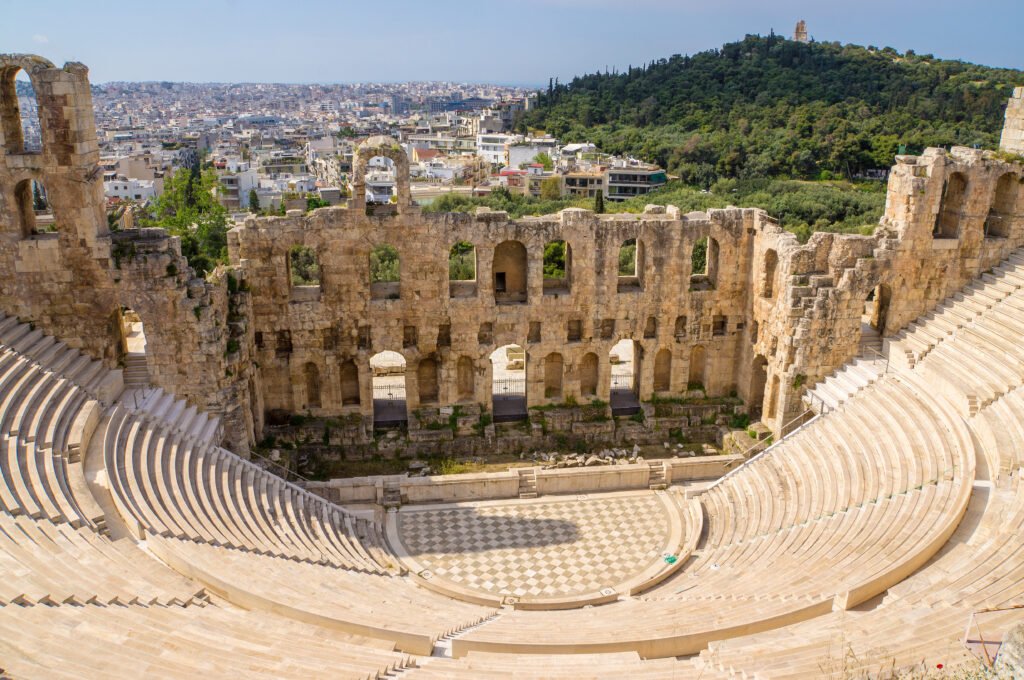
Athens also benefited from the generosity of wealthy local citizens. One of the most famous was Herodes Atticus, an Athenian aristocrat and Roman senator who financed major public works during the 2nd century CE. His most celebrated legacy is the magnificent Odeon of Herodes Atticus, which still hosts concerts and performances today, making it one of the few ancient theatres in the world that continues to serve its original purpose. He also sponsored the refurbishment of the Panathenaic Stadium, further enhancing Athens’ cultural importance.
Although Rome governed the Mediterranean from afar, Athens remained a city of immense prestige. Its monuments, schools and cultural heritage continued to attract visitors from across the empire, preserving its status as one of antiquity’s greatest centres of learning and civilisation. This prosperity, however, would not last indefinitely.
The city’s fortunes changed during Late Antiquity. In 267 CE, Athens was invaded and sacked by the Heruli, a Germanic tribe that burned many of its public buildings and devastated large parts of the city. Following the destruction, Athens was rebuilt on a much smaller scale. A hastily constructed Late Roman Wall enclosed only a fraction of the former city, stretching from the Acropolis towards the area of the Stoa of Attalos. Archaeological evidence suggests that both the population and the urban area declined significantly during this period.
Despite these challenges, Athens continued to be an important centre of education and philosophy. As the Roman world gradually embraced Christianity, the city began its transition into a new era that would eventually become Byzantine Athens.
Byzantine Athens (330–1204 CE)
When Emperor Constantine founded Constantinople in 330 CE, the centre of gravity of the eastern Mediterranean shifted eastward. During the period covered in our Byzantine Empire (330–1453 CE) section, Athens gradually evolved from a centre of classical learning into an important Christian and commercial city within the Byzantine world.
One of the most significant turning points came in 529 CE, when Emperor Justinian ordered the closure of the philosophical schools of Athens. For centuries, these schools had preserved and developed the intellectual traditions of Classical Greece. Their closure symbolically marked the end of Athens’ role as the leading centre of pagan philosophy in the ancient world.
At around the same time, the city’s religious landscape was transformed. The Parthenon, once dedicated to Athena, was converted into a Christian church and dedicated to the Virgin Mary. The Acropolis remained the heart of the city, but its monuments now served a Christian society rather than the ancient pagan world that had created them.
Although Athens was no longer a political capital, it did not disappear into obscurity. During the Byzantine period, it became an important commercial centre once again. Merchants, craftsmen and clergy contributed to local prosperity, while its strategic position ensured continued regional importance.
The Acropolis also acquired a new role as a defensive stronghold. Its fortifications made it one of the safest refuges in Attica, capable of protecting both the inhabitants of Athens and surrounding rural populations during periods of instability and invasion.
Did You Know?
One of the most remarkable figures associated with Byzantine Athens was Irene of Athens (c. 752–803 CE). Born in Athens, she became the first woman to rule the Byzantine Empire in her own right and remains one of the most influential female rulers in Byzantine history.
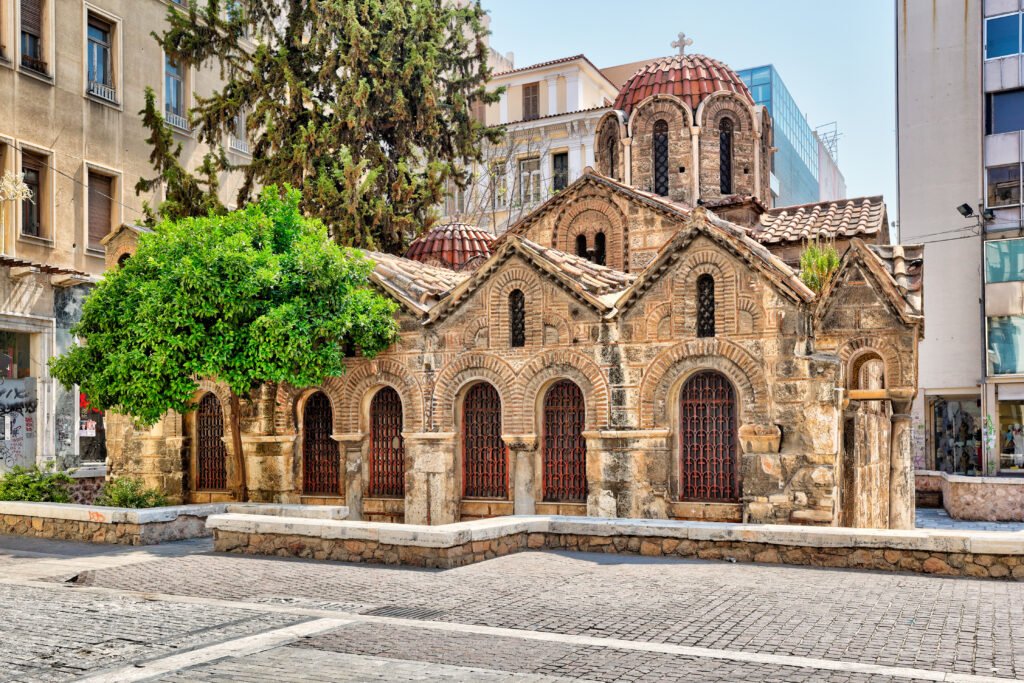
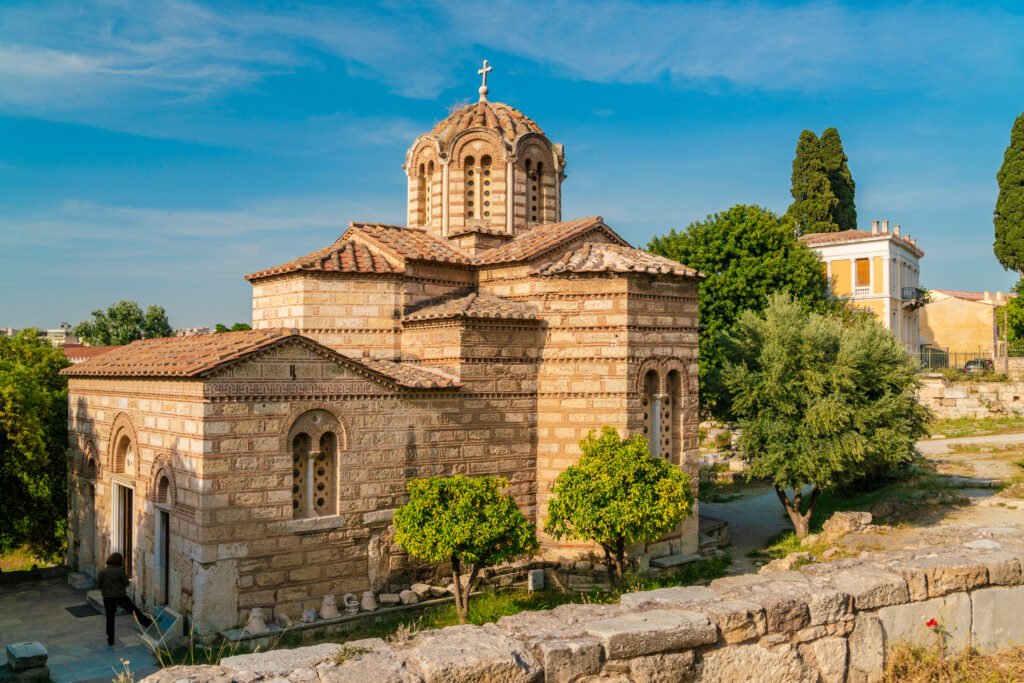
After periods of decline and recovery, Athens experienced renewed prosperity during the Middle Byzantine era. Numerous churches were constructed throughout the city and Attica, particularly during the 11th and 12th centuries. Several of these beautiful Byzantine churches, including Kapnikarea and the Church of the Holy Apostles, survive today and offer a glimpse into medieval Athens.
By the beginning of the 13th century, Athens had become a small but secure provincial city whose importance rested on commerce, religion and its remarkable historical legacy. This chapter came to an abrupt end in 1204, when the Fourth Crusade shattered Byzantine authority across much of Greece and ushered in a new era of Frankish rule.
Athens Under the Franks (1204–1456 CE)
The Byzantine chapter of Athenian history came to an abrupt end in 1204, when the Fourth Crusade shattered Byzantine authority across much of Greece. Following the Fourth Crusade in 1204, Athens entered one of the most unusual chapters in its long history. For more than two centuries (1204–1456), the city was ruled by French, Catalan and Florentine nobles, becoming part of the medieval world of crusaders, knights and feudal lords.
Following the Crusaders’ conquest, the Duchy of Athens was established as a feudal state of the Latin Empire. The city became the seat of the Burgundian de la Roche family, whose rulers governed Athens from the Acropolis. For the first time in its history, Athens found itself politically connected to the world of medieval Western Europe rather than the Byzantine East.
The Frankish rulers transformed the Acropolis into a medieval fortress. Defensive walls, towers and fortifications were added, turning the ancient citadel into one of the strongest castles in Greece. During this period, the Acropolis was valued less as a collection of ancient monuments and more as a strategic military stronghold.
The new rulers also introduced elements of Western European culture unfamiliar to medieval Athens. Chivalry, feudal customs and knightly tournaments became part of life at the ducal court, creating a fascinating blend of classical heritage, Byzantine traditions and Western European influences.
Did You Know?
For more than two centuries, the Acropolis served as a medieval castle and residence of the rulers of Athens. Many visitors would have recognised it as a fortress long before it became the archaeological monument we know today.
In 1311, Athens passed into the hands of the Catalan Company, a powerful group of mercenaries from the western Mediterranean. Their rule lasted for several decades and marked a more turbulent period in the city’s history.
In 1388, the Florentine nobleman Nerio Acciaioli captured Athens and established a new dynasty. Under the Acciaioli family, economic and social conditions improved, and the city once again became the administrative centre of the duchy. The Florentines successfully challenged Venetian ambitions in the region and retained control of Athens until the arrival of a new power from the east.
In 1456, Ottoman forces captured Athens, bringing more than 250 years of Frankish rule to an end. Although often overlooked today, this medieval chapter left its mark on the city and serves as a reminder that Athens was shaped not only by Greeks and Romans, but also by crusaders, knights and Renaissance nobles.
Athens Under Ottoman Rule (1456–1833)
In 1456, Ottoman forces captured Athens, bringing more than two centuries of Frankish rule to an end. Two years later, the city was fully incorporated into the Ottoman Era (1453–1830 CE), beginning a period that would last almost four centuries.
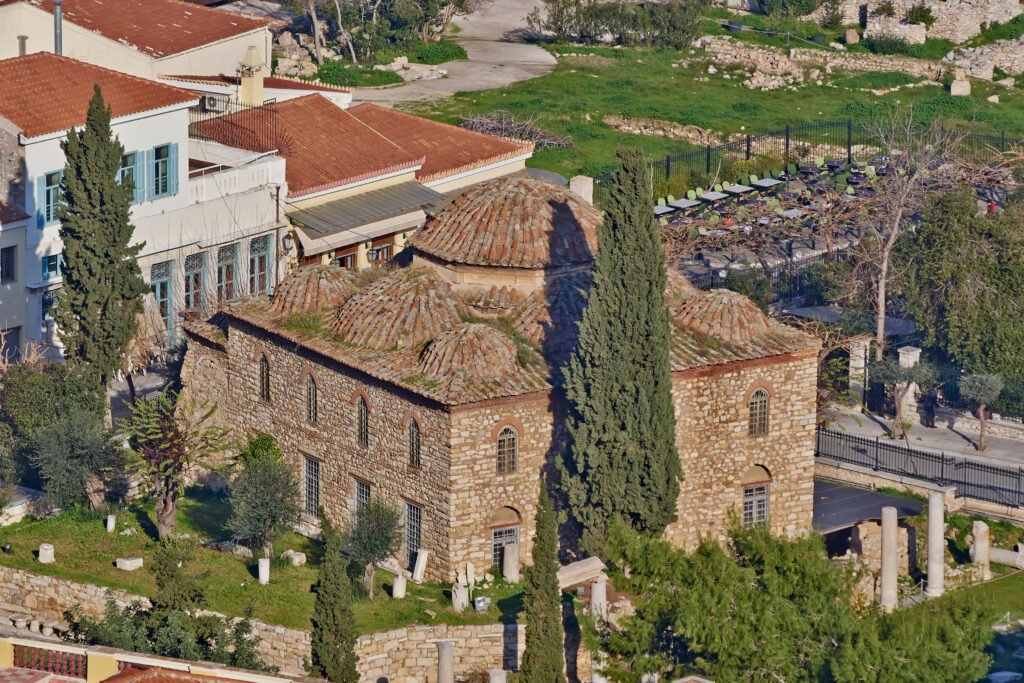
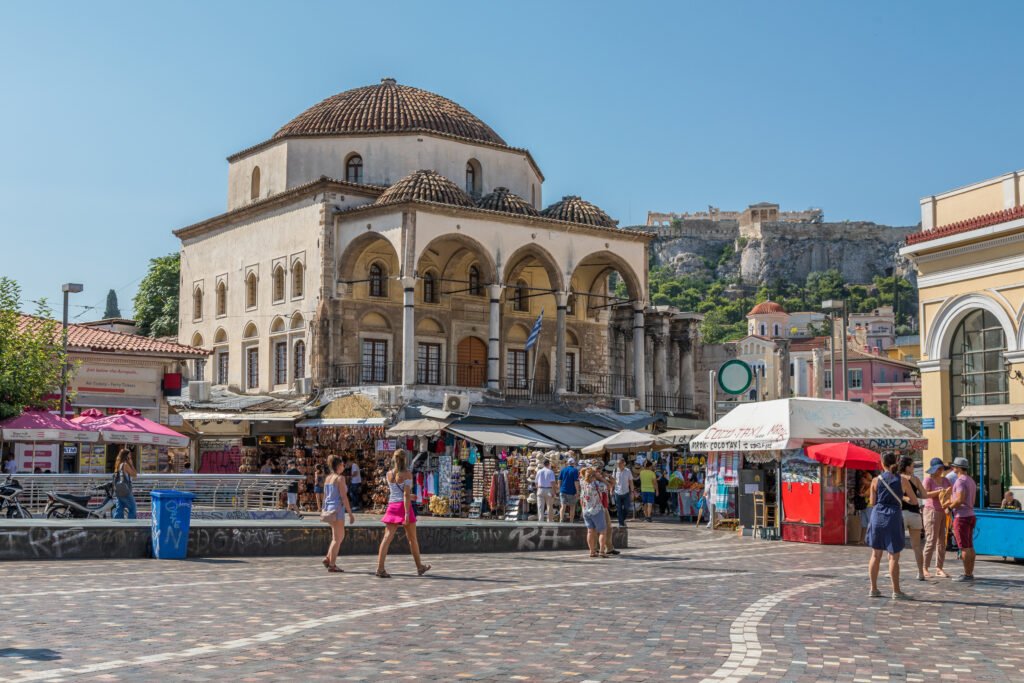
Under Ottoman rule, Athens became a modest provincial town within the Ottoman Empire. Its population was relatively small compared to major imperial centres, and daily life revolved around local markets, religious institutions and neighbourhoods clustered around the Acropolis. Mosques, baths and fountains were added to the urban landscape, while many ancient structures were adapted to serve new purposes.
The most famous transformation involved the Parthenon. Having previously served as a Byzantine church, it was converted into a mosque after the Ottoman conquest. Despite these changes, the Acropolis remained the city’s dominant landmark, functioning both as a military stronghold and as the most recognisable symbol of Athens.
Did You Know?
For centuries, the Parthenon functioned not as an archaeological monument but as a place of worship. Over its long history, it served as an ancient temple, a Christian church and an Ottoman mosque before becoming the iconic monument visitors see today.
The most dramatic event of Ottoman Athens occurred in 1687. During the Morean War between Venice and the Ottoman Empire, Venetian forces under Francesco Morosini laid siege to the Acropolis. The Ottomans had stored gunpowder inside the Parthenon, believing the ancient temple would not be targeted. A Venetian cannonball struck the building, triggering a catastrophic explosion that destroyed much of the structure and caused the extensive damage still visible today.
During the 18th and early 19th centuries, growing numbers of European travellers, artists and scholars visited Athens. Fascinated by the remains of Classical Greece, they produced sketches, paintings and descriptions that helped reintroduce the city to Western Europe and stimulated interest in its ancient heritage.
One of the most controversial episodes of this period involved Lord Elgin, the British ambassador to the Ottoman Empire. Between 1801 and 1812, agents acting on his behalf removed numerous sculptures from the Parthenon and other Acropolis monuments. These works, known today as the Parthenon Marbles, remain at the centre of an ongoing debate between Greece and the United Kingdom.
By the early 19th century, Ottoman authority across the region was weakening. When the Greek War of Independence (1821–1830) erupted, Athens became one of many battlegrounds in the struggle for freedom. After years of conflict, Ottoman forces finally withdrew in 1833, bringing nearly four centuries of Ottoman rule to an end.
Although Athens had declined to a small town clustered around the Acropolis, its symbolic importance remained immense. The city that had once given the world democracy, philosophy and classical architecture was about to assume a new role at the heart of the modern Greek state.
Athens and Independence (1821–1940)
The Greek War of Independence (1821–1830) marked a turning point in the history of Athens. The city changed hands several times during the conflict and suffered extensive destruction. Greek revolutionaries captured Athens in 1822, but Ottoman forces regained control in 1826 after a prolonged siege. Ancient monuments once again became battlegrounds, while much of the city was left damaged.
When Athenians returned after the war, they found a devastated settlement. Olive groves, vineyards and homes had been destroyed, while foreign travellers described a landscape of rubble, broken columns and deserted streets beneath the Acropolis. The final Ottoman garrison withdrew from the Acropolis in 1833, opening the way for a new chapter in the city’s history.
Did You Know?
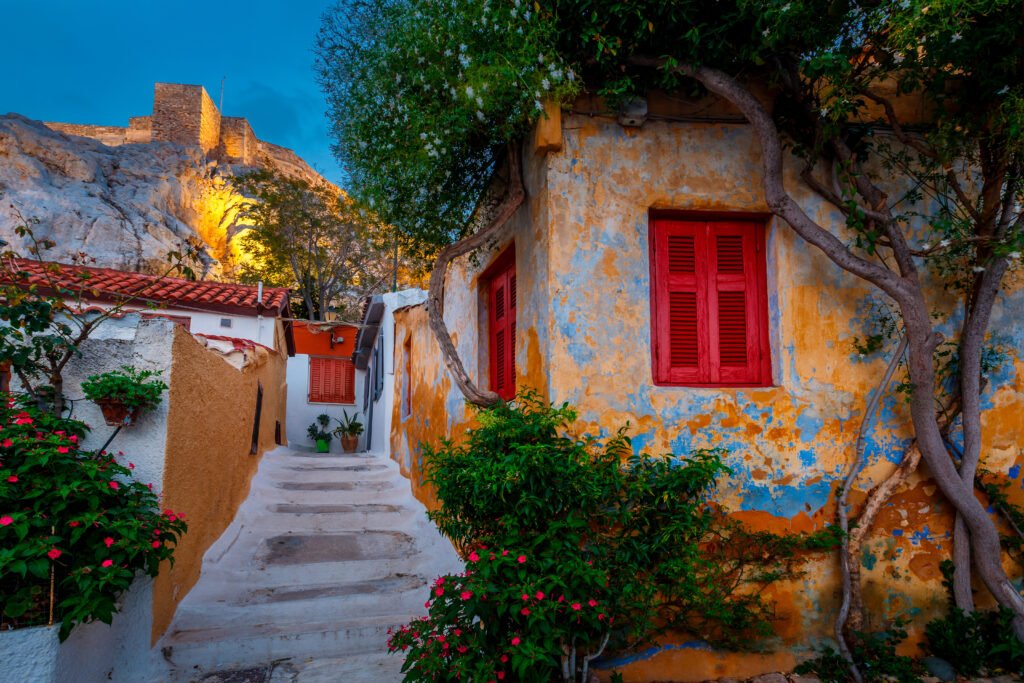
When Athens officially became the capital of Greece on 18 September 1834, it had only about 7,000 residents. At the time, it was little more than a large village clustered around the Acropolis and Plaka.
In 1832, the Bavarian prince Otto of Greece became the first king of modern Greece. Just two years later, on 18 September 1834, he moved the capital from Nafplio to Athens, drawn by the city’s extraordinary historical legacy and its enduring connection to the achievements of Classical Greece.
The decision was far from obvious. At the time, Athens lacked many of the features expected of a capital city, including organised water supply, public lighting and modern infrastructure. Yet its symbolic value outweighed these practical shortcomings. Although several cities—including Nafplio, Argos, Corinth and Piraeus—were considered, Athens was ultimately chosen because it represented the historical continuity between ancient and modern Greece.
Determined to transform the former Ottoman town into a modern European capital, King Otto commissioned the Greek architect Stamatios Kleanthis and the German architect Eduard Schaubert to prepare Athens’ first modern urban plan. They were also tasked with carrying out a detailed archaeological and topographical survey of the city, ensuring that the new capital could grow while preserving its ancient heritage.
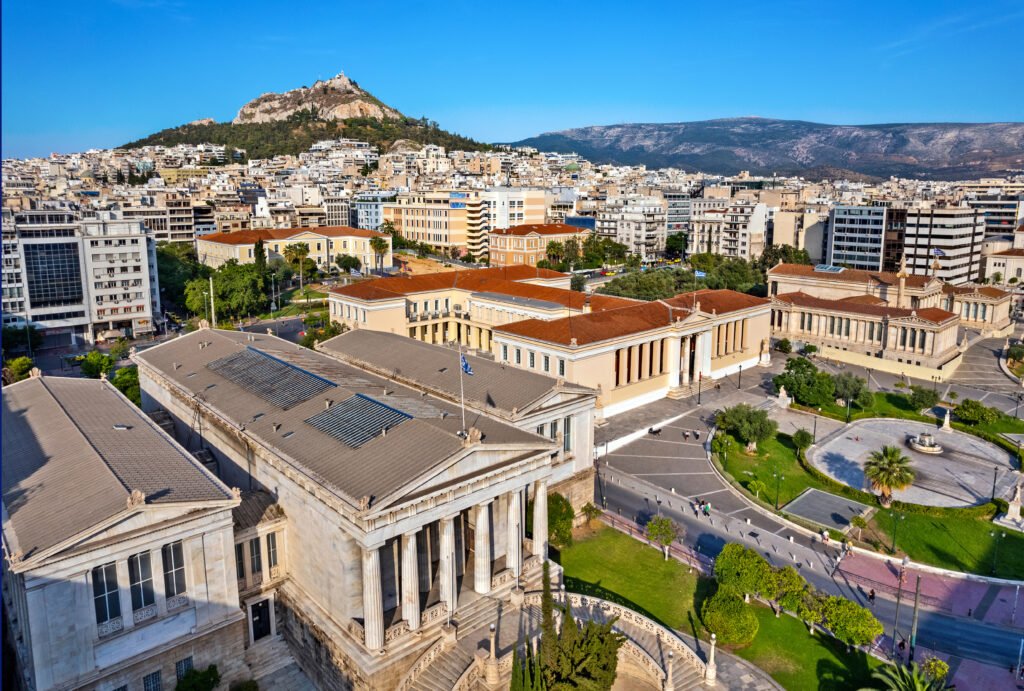
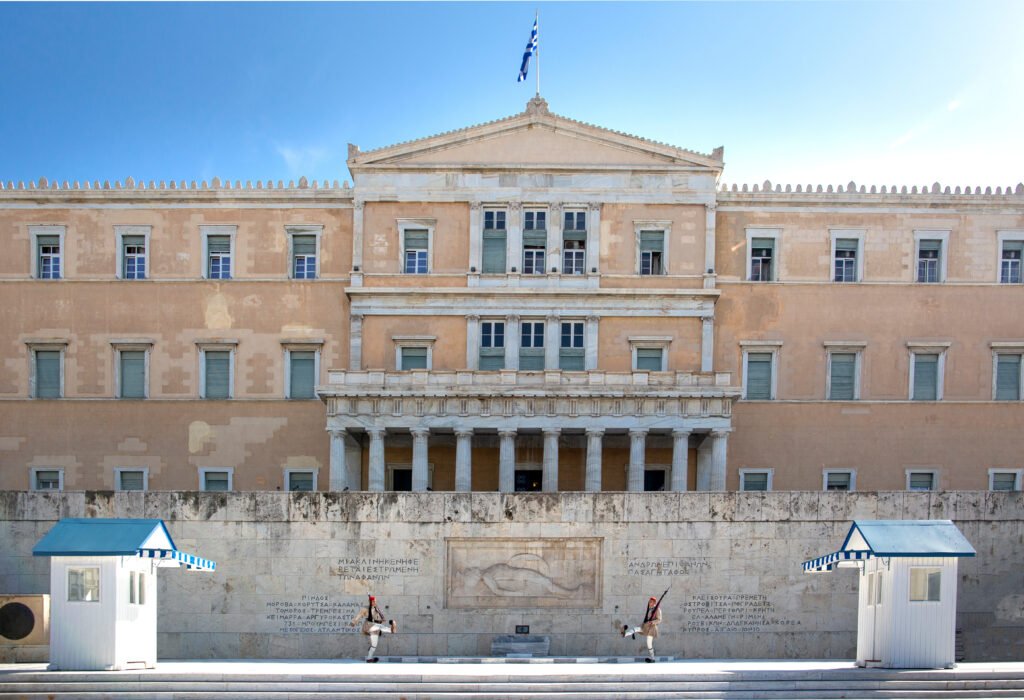
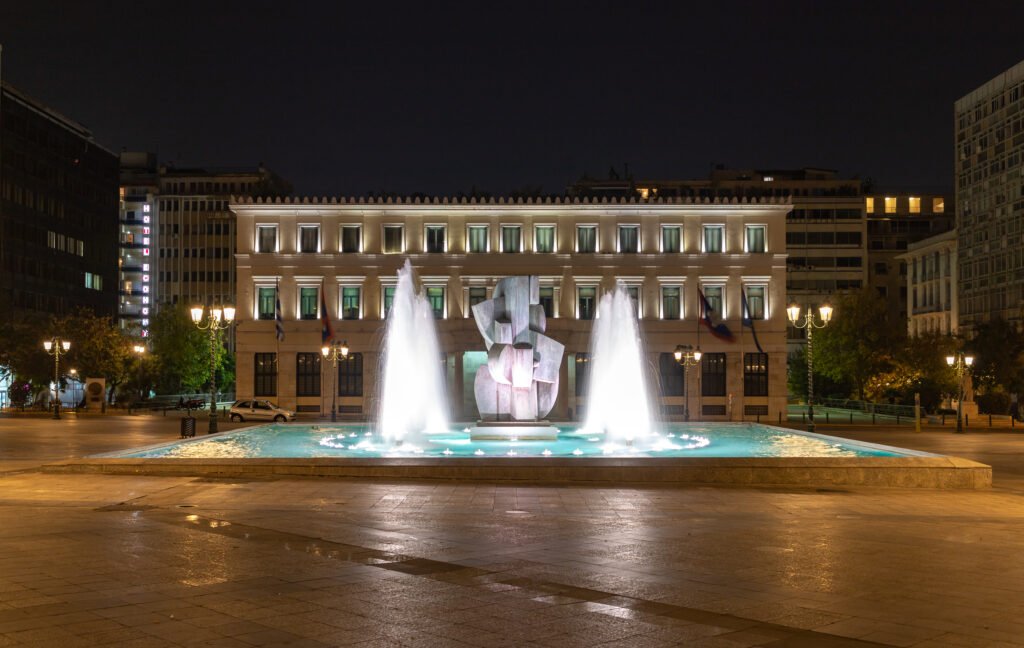
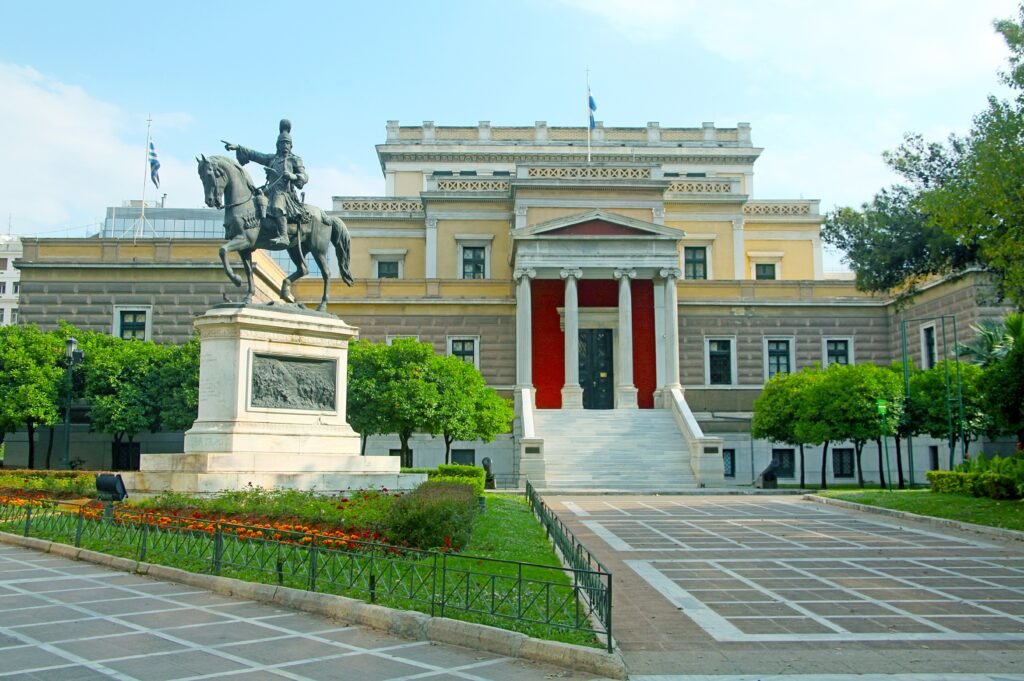
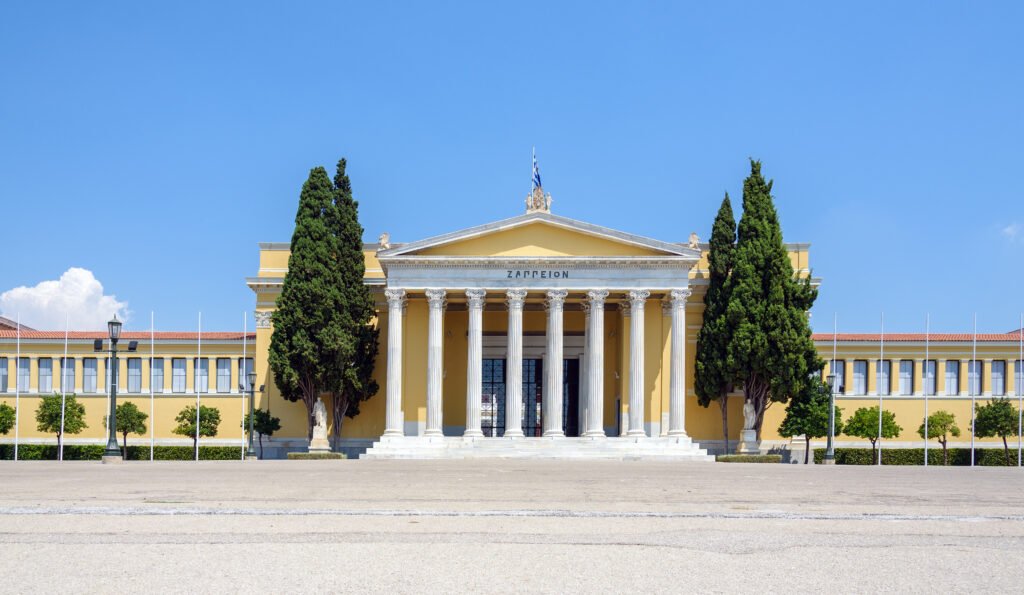
The most enduring legacy of this period can still be seen across central Athens. A remarkable programme of neoclassical construction produced many of the city’s best-known landmarks, including the University of Athens (1837), the Old Royal Palace (today’s Hellenic Parliament), the National Garden, the National Library, the Academy of Athens, the Zappeion, the Old Parliament House, the Presidential Mansion and the Athens City Hall. Together, these buildings transformed a small provincial town into the capital of a modern European state.
No architectural ensemble better symbolises this transformation than the Athenian Trilogy on Panepistimiou Street: the University of Athens, the Academy of Athens and the National Library. Designed by Danish architects Christian and Theophil Hansen, with important contributions from Ernst Ziller, these magnificent neoclassical landmarks embodied the young state’s commitment to education, research and humanistic ideals while expressing its aspiration to join the family of modern European nations.
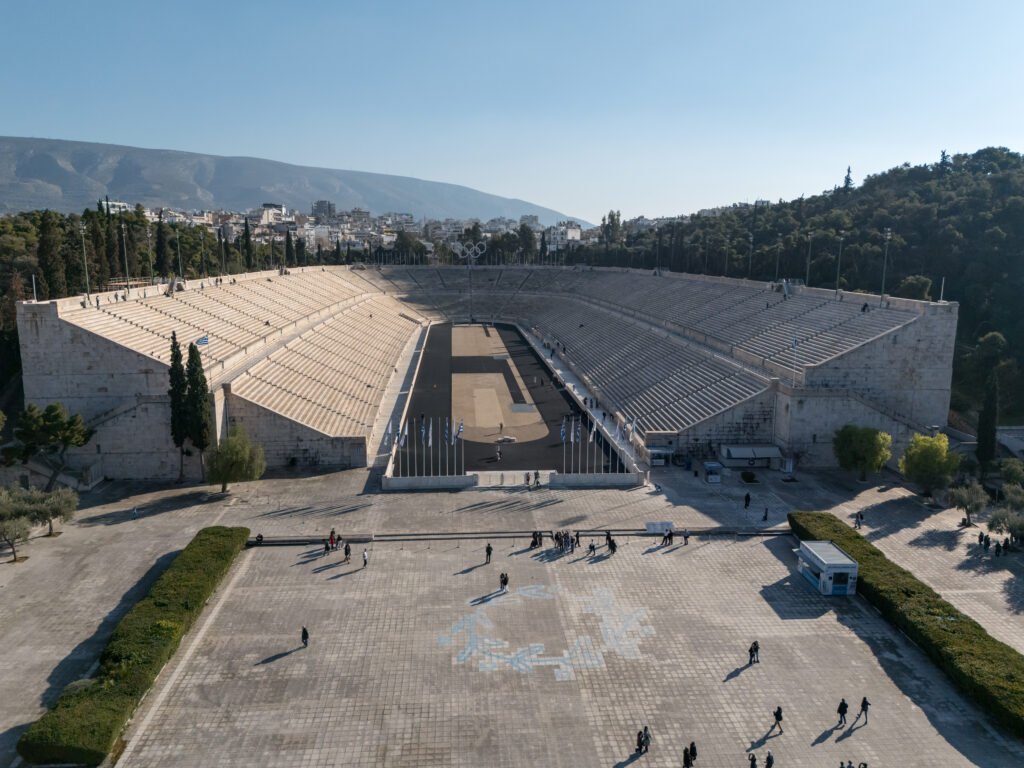
Athens’ emergence onto the international stage was further reinforced through sport. During the late 19th century, growing interest in the ideals of ancient Greece inspired the restoration of the Panathenaic Stadium (Kallimarmaro), originally built for the ancient Panathenaic Games. Financed by national benefactor George Averoff and reconstructed entirely in Pentelic marble, the stadium hosted the first modern Olympic Games in 1896. The event attracted athletes and spectators from around the world, symbolically linking the newly independent Greek state with its ancient heritage and introducing Athens to a global audience.
By this time, Athens had undergone a remarkable transformation. Between 1834 and 1836 alone, nearly 1,000 new houses were constructed to accommodate the growing population. Over the following decades, the city expanded far beyond Plaka and the Acropolis. What had once been a war-damaged town of around 7,000 inhabitants became the political, cultural and intellectual centre of modern Greece, setting the stage for the rapid urban growth of the 20th century.
Athens Today (1940–Present)
The modern city of Athens emerged from the dramatic changes of the 20th century. Following the Second World War and the Greek Civil War, the capital experienced rapid population growth as thousands of people moved from the countryside in search of work and opportunity. New neighbourhoods expanded across the Attic basin, while apartment buildings known as polykatoikies gradually replaced many of the neoclassical houses that had characterised 19th-century Athens. Over time, the city spread far beyond its historic centre, incorporating once-independent suburbs such as Maroussi, Kifissia, Chalandri, Glyfada, Palaio Faliro and Peristeri into a vast metropolitan area.
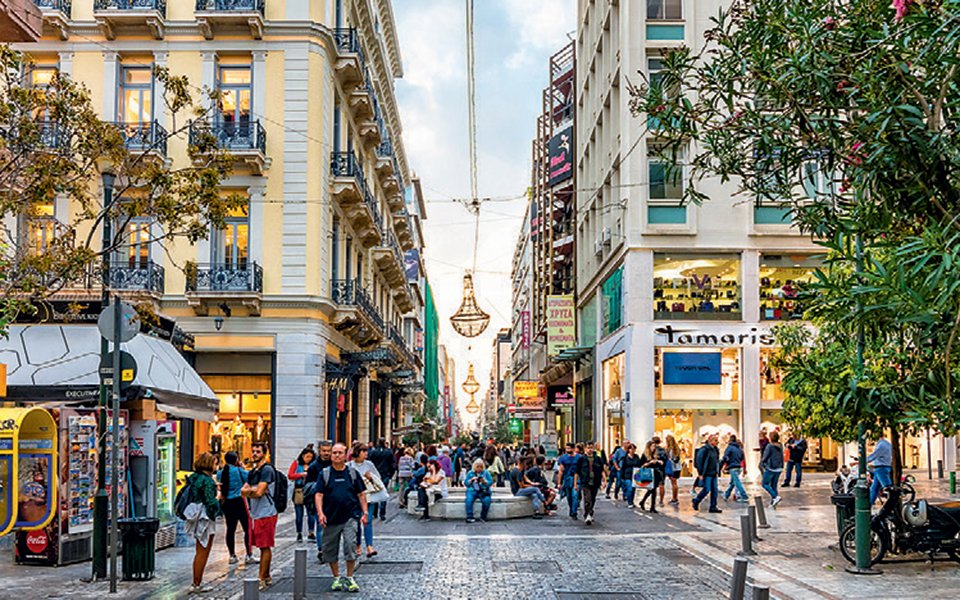
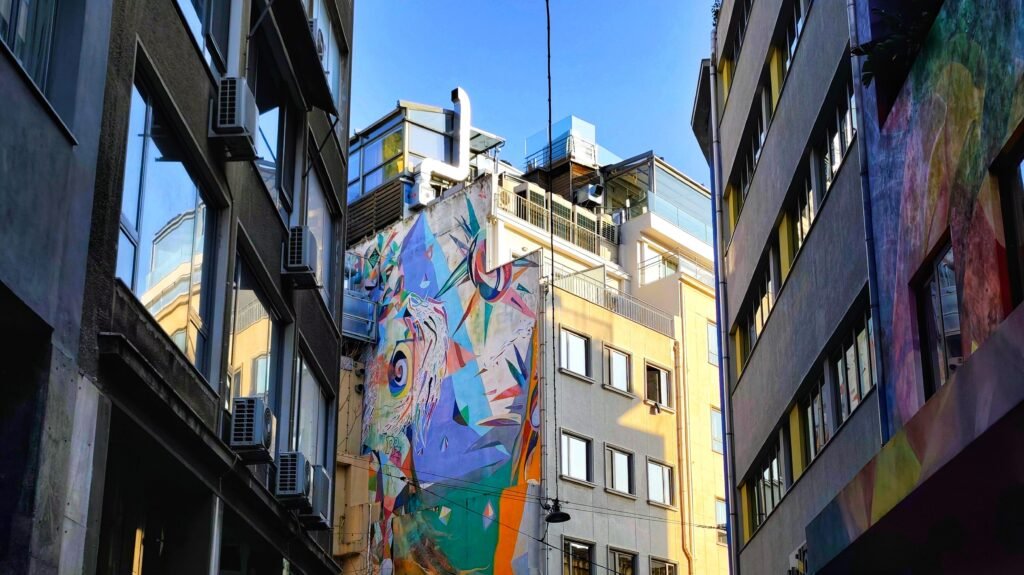
To some visitors, Athens may initially appear chaotic. Unlike many European capitals built around grand boulevards and uniform architectural styles, Athens grew rapidly and often organically. Its landscape is defined by dense apartment blocks, lively neighbourhoods with distinct personalities and commercial districts spread across the city rather than concentrated in a single centre.
Yet this apparent disorder is also what gives Athens its character. Ancient ruins appear unexpectedly between modern buildings, neighbourhood markets coexist with fashionable cafés, and each district tells a different chapter of the city’s story.
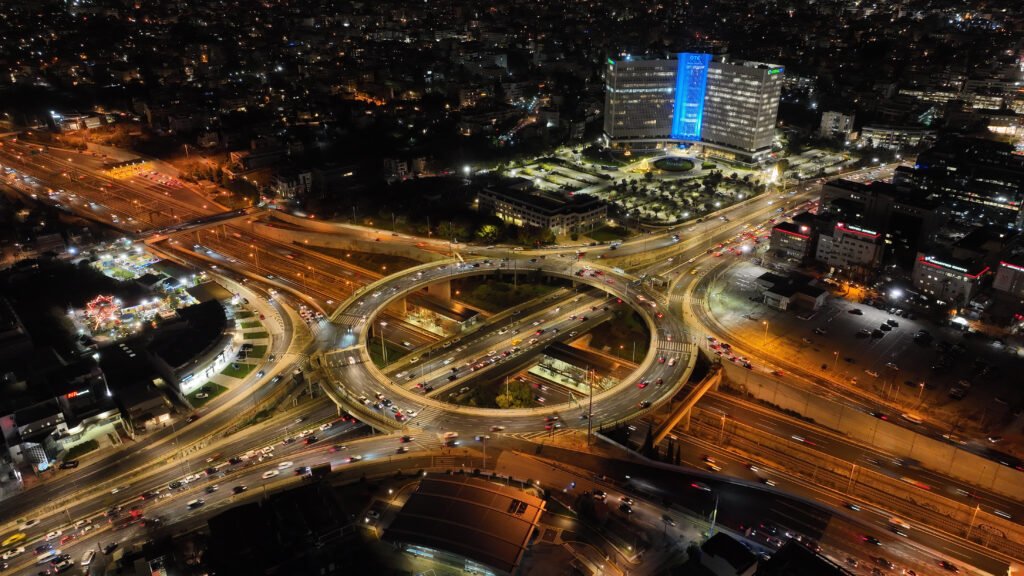
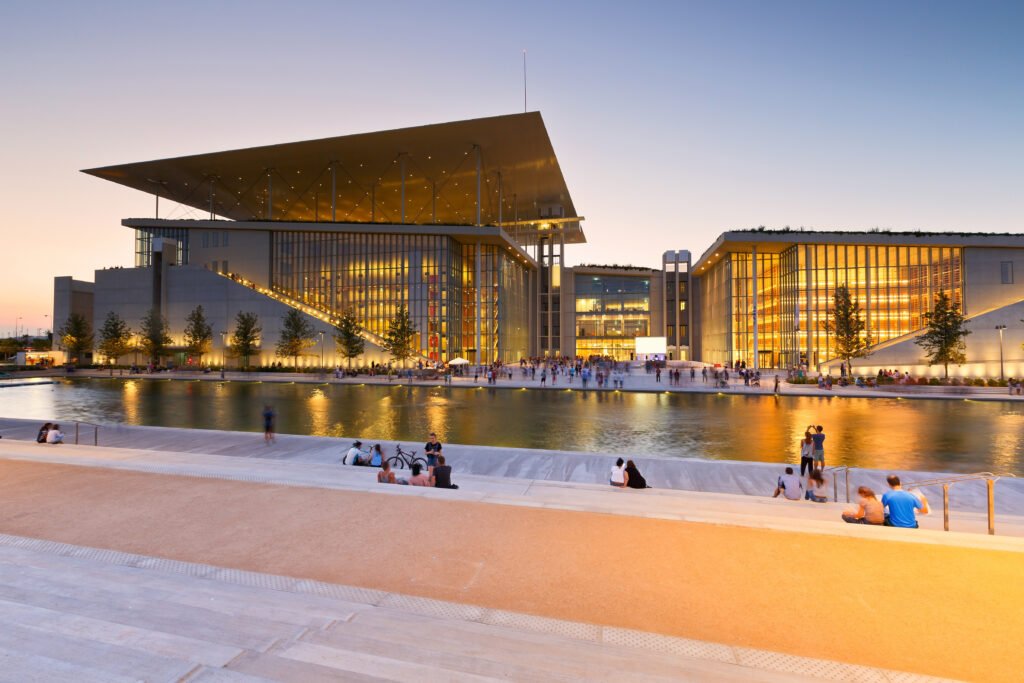
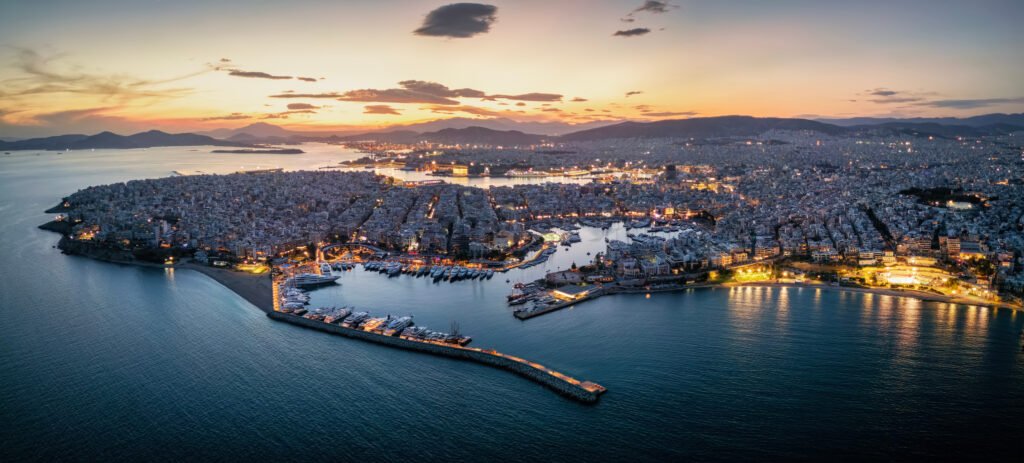
In recent decades, Athens has undergone significant transformation. The construction of the Athens Metro, Attiki Odos and Athens International Airport modernised daily life, while the 2004 Olympic Games accelerated urban renewal. More recently, projects such as the Stavros Niarchos Foundation Cultural Center (SNFCC), the redevelopment of the Athens Riviera and the ambitious Ellinikon Project have helped reshape the capital’s relationship with the sea.
Athens has also experienced a remarkable tourism boom. Once viewed mainly as a gateway to the Greek islands, the city has become a destination in its own right. New hotels, short-term rentals, restaurants, rooftop bars and cultural venues have brought more visitors into neighbourhoods beyond Plaka and Monastiraki, including Koukaki, Psyrri, Pangrati, Petralona, Gazi and Kypseli.
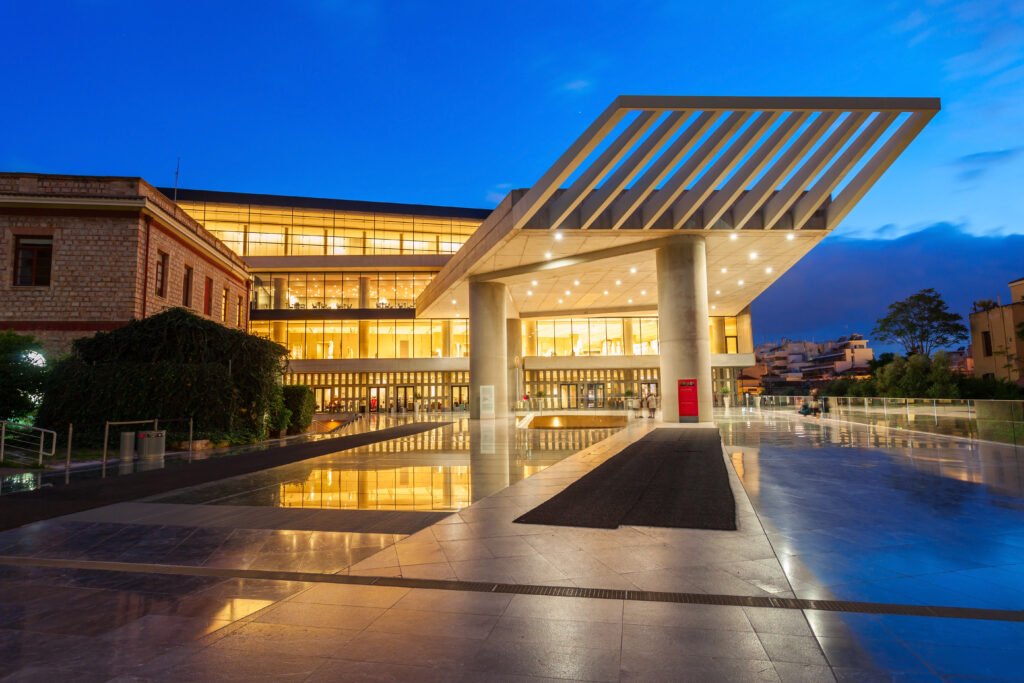
At the same time, the New Acropolis Museum and the recently established National Museum of Contemporary Art (EMST), together with longstanding institutions such as the National Archaeological Museum, the Benaki Museum and the Museum of Cycladic Art, have strengthened Athens’ reputation as one of Europe’s leading cultural destinations.
Like many major capitals, Athens faces ongoing challenges. Traffic congestion remains a daily reality, particularly during peak hours, while the city’s rapid growth can sometimes make parts of the metropolitan area feel crowded. Even so, these pressures reflect Athens’ continued appeal as a place to live, work, study and visit.
Today, the Athens metropolitan area covers approximately 2,928 square kilometres and is home to more than 3.7 million permanent residents, making it the eighth-largest metropolitan region in the European Union. As Greece’s political, economic, educational and cultural centre, Athens continues to attract visitors, students, entrepreneurs and expatriates from around the world.
More than 6,000 years after its earliest settlement, Athens remains a city unlike any other—imperfect, energetic, endlessly layered and constantly evolving. It is a place where history is not confined to museums and monuments but forms part of everyday life.
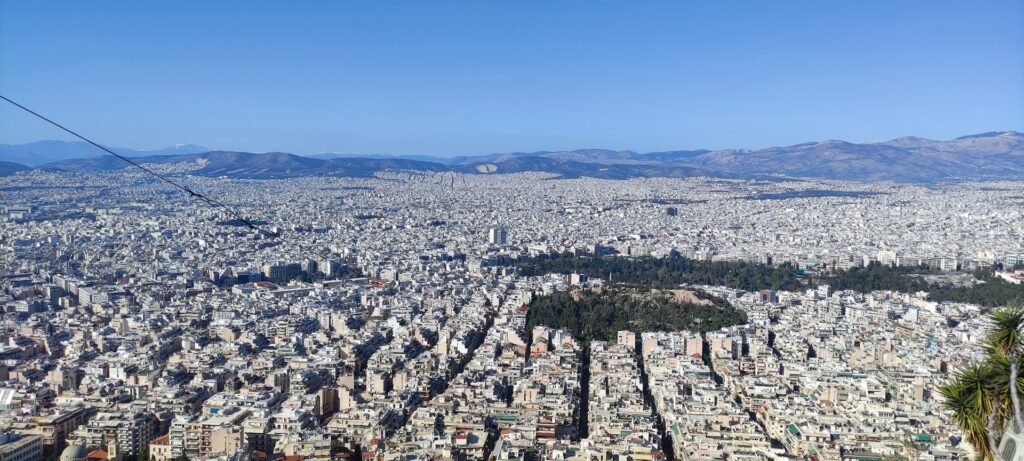
Image Credit: Xpat.gr



Enjoyed This Article?
If you’re interested in Greek history, culture, traditions and everyday life in Greece, you may also enjoy:
👉 Greek History Explained: A Clear Timeline for Expats & Foreign Residents
A concise guide to more than 4,000 years of Greek history, from the Bronze Age and Classical Greece to Byzantium, the Ottoman period and modern Greece.
Sources:
- Acropolis Museum. Official Website. https://www.theacropolismuseum.gr/en
- Encyclopaedia Britannica. History of Athens. https://www.britannica.com/place/Athens/History
- National and Kapodistrian University of Athens (EKPA). A Journey Through Athens, the City of Culture (Ένα Ταξίδι στην Αθήνα, την Πόλη του Πολιτισμού). https://elearningekpa.gr/
- The Time Machine (Η Μηχανή του Χρόνου). https://www.mixanitouxronou.gr/
- UNESCO World Heritage Centre. Acropolis, Athens. https://whc.unesco.org/en/list/404/