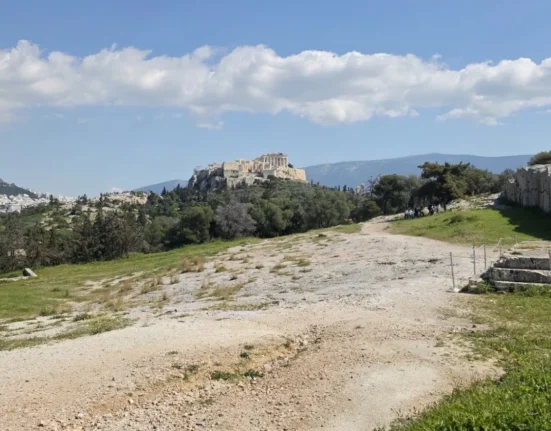

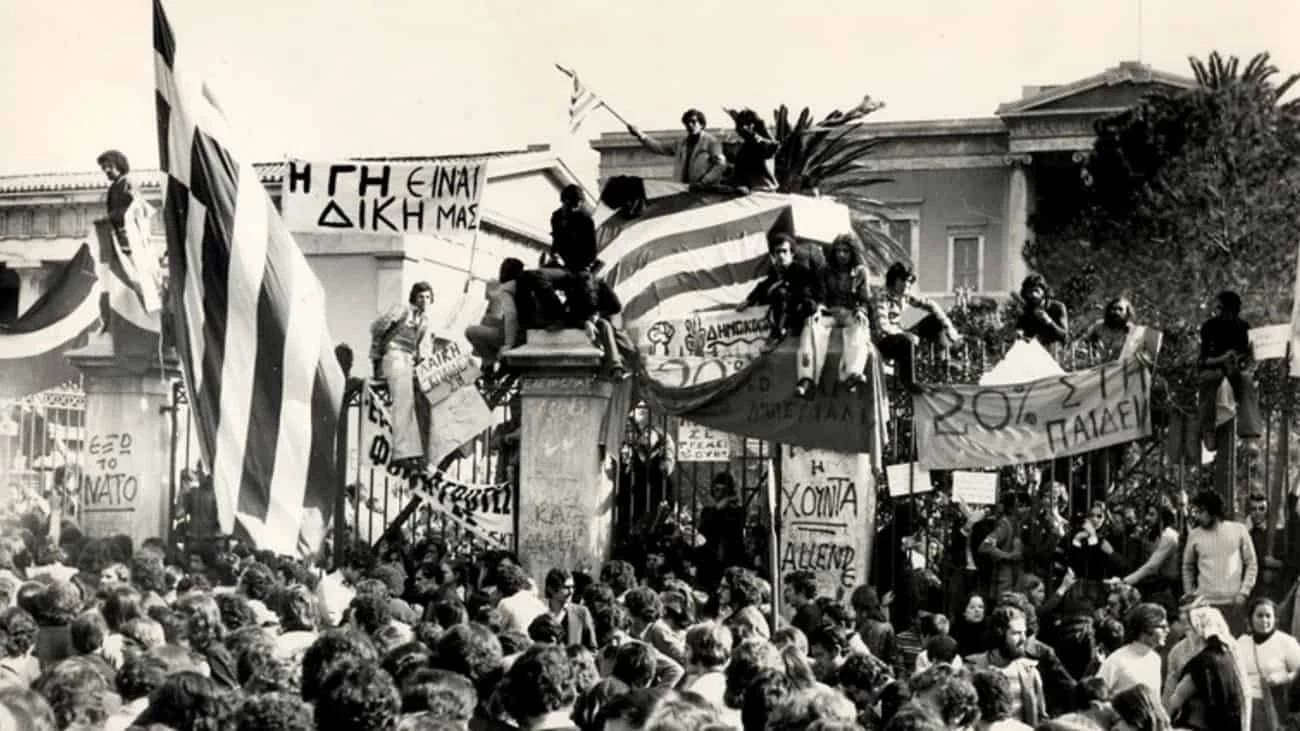
On 14 November 1973, students occupied the National Technical University of Athens (Athens Polytechnic) in defiance of the military dictatorship that had ruled Greece since 1967. From an improvised radio station inside the university, they broadcast calls for democracy as thousands gathered in the surrounding streets. Shortly before 3 a.m. on 17 November, an army tank smashed through the main gates, and soldiers and police entered the campus. The violent suppression left 24 documented deaths and at least 1,103 injured civilians. The uprising played a pivotal role in weakening the dictatorship and paving the way for the restoration of democracy in July 1974.
Greece under military rule
On 21 April 1967, a group of army officers led by Georgios Papadopoulos seized power in a military coup, bringing Greece’s parliamentary democracy to an abrupt end. Papadopoulos emerged as the country’s principal military dictator. Tanks appeared in Athens, political leaders were arrested and democratic institutions were dismantled.
The dictatorship, commonly known as the Junta of the Colonels, imposed censorship, restricted civil liberties and persecuted political opponents. Political parties were suppressed, while thousands of Greeks experienced detention, exile or torture.
Universities became an important centre of resistance. Student associations were subjected to government interference, elected representatives were removed or replaced, and politically active students faced compulsory military service.
In February 1973, students protested against legislation allowing the compulsory conscription of those involved in student activism. Police entered the Polytechnic and arrested 11 students, while others received military call-up orders.
On 21 February, students occupied the Athens Law School, displaying slogans calling for democracy and freedom. Another occupation followed in March. The protests challenged restrictions on academic freedom, compulsory military service and government interference in student organisations.
Throughout the year, students continued demanding free elections for their representatives, university autonomy and an end to political control over higher education. At a memorial gathering for former prime minister Georgios Papandreou on 4 November, anti-dictatorship demonstrations led to further clashes with police.
WEDNESDAY · 14 NOVEMBER 1973
From protest to occupation
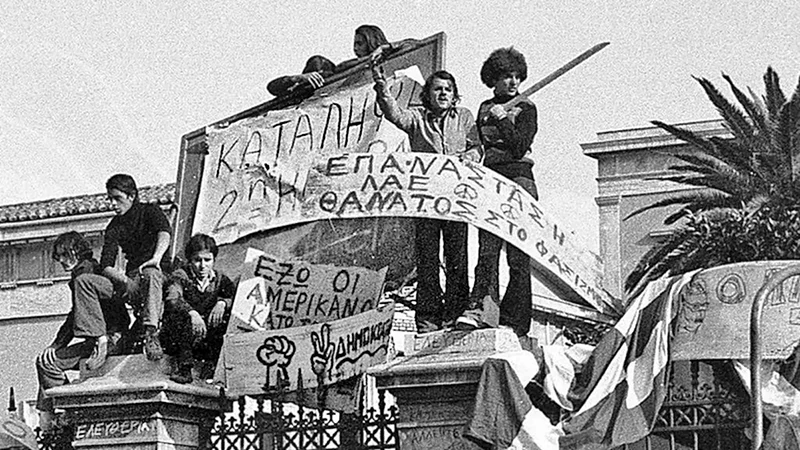
On 14 November, students gathered at the National Technical University of Athens to protest against the dictatorship’s interference in higher education. The immediate dispute concerned elections for student representatives, which the regime had postponed until after February 1974.
On Wednesday afternoon, approximately 3,000 students attended assemblies and voted to boycott classes until 19 November. As discussions continued, some proposed remaining inside the university. By that evening, the occupation had begun.
The gates were closed, and a coordinating committee was established, alongside smaller committees within the different faculties, to manage the occupation and communicate its demands.
Food supplies, medical care, communications and security were organised within the campus. Students from other faculties joined the occupation, while people outside the gates brought provisions and offered assistance.
Demands for student representation were soon accompanied by calls for democratic government, freedom of expression and an end to military rule. Across the gates and on banners appeared the slogan that would define the uprising.
ΨΩΜΙ – ΠΑΙΔΕΙΑ – ΕΛΕΥΘΕΡΙΑ
Bread – Education – Freedom
The three demands encompassed decent living conditions, education free from political control and the restoration of fundamental rights. Throughout the evening, more supporters arrived at the university on Patission Street.
THURSDAY · 15 NOVEMBER 1973
The voice of the Polytechnic
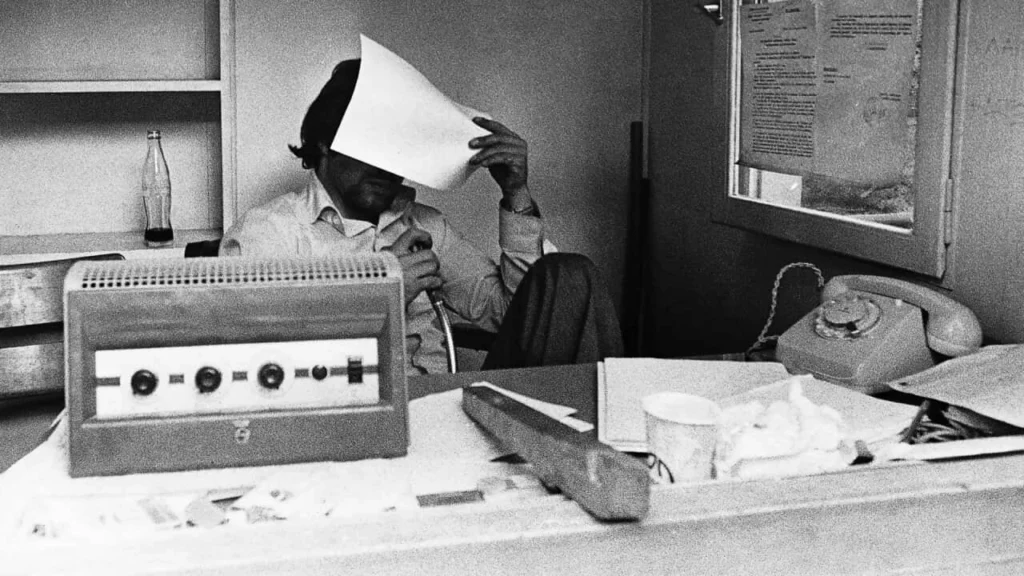
In the university’s electrical engineering laboratories, students constructed a radio transmitter that allowed them to address the public directly. The station carried reports from the occupation and appeals for support.
By Thursday evening, the station was broadcasting. Its announcers included Tonia Moropoulou, Maria Damanaki, Dimitris Papachristos and Miltos Charalambidis, whose voices carried the students’ demands for freedom and democracy across Athens.
The broadcasts described developments inside the Polytechnic and called on schoolchildren, workers and other citizens to support the occupation. The station’s repeated opening words became one of the defining sounds of the uprising.
THE VOICE OF THE POLYTECHNIC
«Εδώ Πολυτεχνείο! Εδώ Πολυτεχνείο! Σας μιλάει ο ραδιοφωνικός σταθμός των ελεύθερων αγωνιζόμενων φοιτητών, των ελεύθερων αγωνιζόμενων Ελλήνων!»
“This is the Polytechnic! This is the Polytechnic! You are listening to the radio station of the free students fighting for freedom, of the free Greeks fighting for freedom!”
Listen to the historic Polytechnic radio broadcast
Audio document: Digital School Library · English translation: Xpat.gr
Students also operated duplicating machines to produce announcements and circulate decisions taken inside the university. Others painted slogans on placards, walls and vehicles travelling through Athens.
Inside the Polytechnic, volunteers organised a kitchen and an improvised medical station, while teams of students guarded the occupied buildings. Outside the gates, supporters brought food, medicines and other supplies as the gatherings continued to grow.
Student mobilisation extended beyond the capital, with protests and occupations in other university cities, including Thessaloniki, Patras and Ioannina.
Explore further archival recordings, photographs and testimonies from ERT.
FRIDAY · 16 NOVEMBER 1973
The uprising spreads through Athens
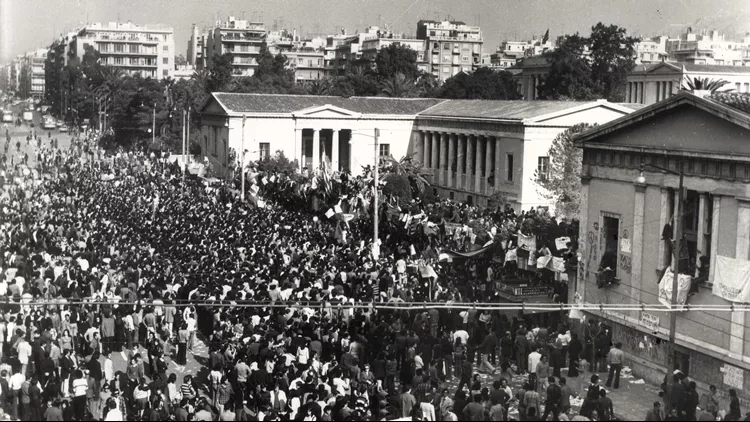
By Friday, thousands had gathered in the streets around the Polytechnic. Students, workers, schoolchildren and other citizens carried Greek flags and banners, chanting slogans against the dictatorship. The demonstrations extended along Patission Street and into other parts of central Athens.
Some protesters attempted to march towards Syntagma Square, while clashes with police spread through nearby streets. Inside the campus, students maintained the occupation, continued broadcasting and organised care for the injured.
That day, the occupation’s Coordinating Committee issued a written announcement. The statement made clear that the students’ demands had expanded beyond university reform: it called for an end to the dictatorship, popular sovereignty and national independence, and urged Greeks to join strikes and mass demonstrations.
FROM THE ARCHIVES · 16 NOVEMBER 1973
In their own words: The Polytechnic declaration
On the final full day of the occupation, the Coordinating Committee issued the statement reproduced below. Preserved by the Contemporary Social History Archives (ASKI), it records the committee’s political demands and its appeal for wider mobilisation.
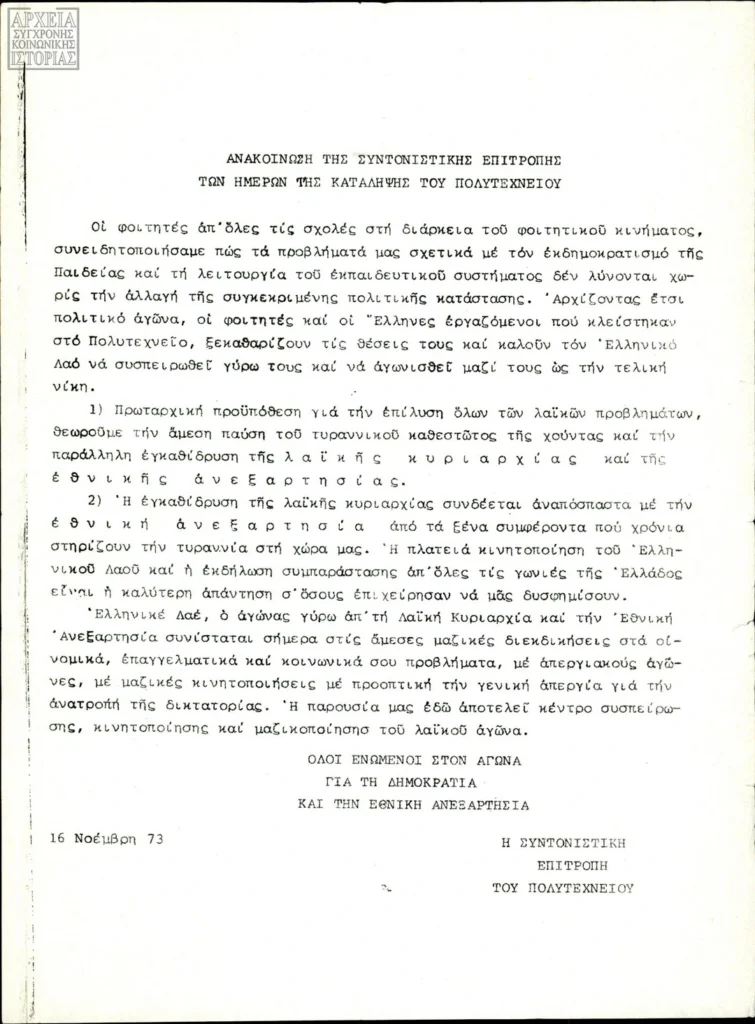
ENGLISH TRANSLATION · ORIGINAL DOCUMENT
Announcement of the Coordinating Committee
Issued during the occupation of the Polytechnic, 16 November 1973.
During the student movement, we, students from all faculties, have realised that our problems concerning the democratisation of education and the functioning of the educational system cannot be resolved without a change in the existing political situation. Having thus begun a political struggle, we, the students and Greek workers occupying the Polytechnic, make our positions clear and call on the Greek people to rally around them and fight alongside us until final victory.
1. We consider the immediate end of the junta’s tyrannical regime, together with the establishment of popular sovereignty and national independence, to be the fundamental prerequisite for resolving all the people’s problems.
2. The establishment of popular sovereignty is inseparably linked to national independence from the foreign interests that have supported tyranny in our country for years. The broad mobilisation of the Greek people and the expressions of solidarity from every corner of Greece are the best response to those who attempt to discredit us.
Greek people, the struggle for popular sovereignty and national independence today consists of immediate, collective demands concerning your economic, professional and social problems, through strike action and mass mobilisation, with the prospect of a general strike to overthrow the dictatorship. Our presence here constitutes a centre for rallying, mobilising and broadening the people’s struggle.
ALL UNITED IN THE STRUGGLE
FOR DEMOCRACY
AND NATIONAL INDEPENDENCE
16 November 1973
The Coordinating Committee of the Polytechnic
Translated from the Greek original preserved by the Contemporary Social History Archives (ASKI), document 076.067.00001.
Police violence and the first deaths
Beyond the university, confrontations with police were intensifying. Security forces used tear gas and batons, while live ammunition was fired at demonstrators and civilians.
Demonstrators erected barricades in the surrounding streets as police attempted to disperse the crowds. Trolleybus services were disrupted, fires burned during the confrontations, and volunteers inside the Polytechnic treated people injured in the clashes.
The first documented deaths occurred that evening, hours before the military assault on the university.
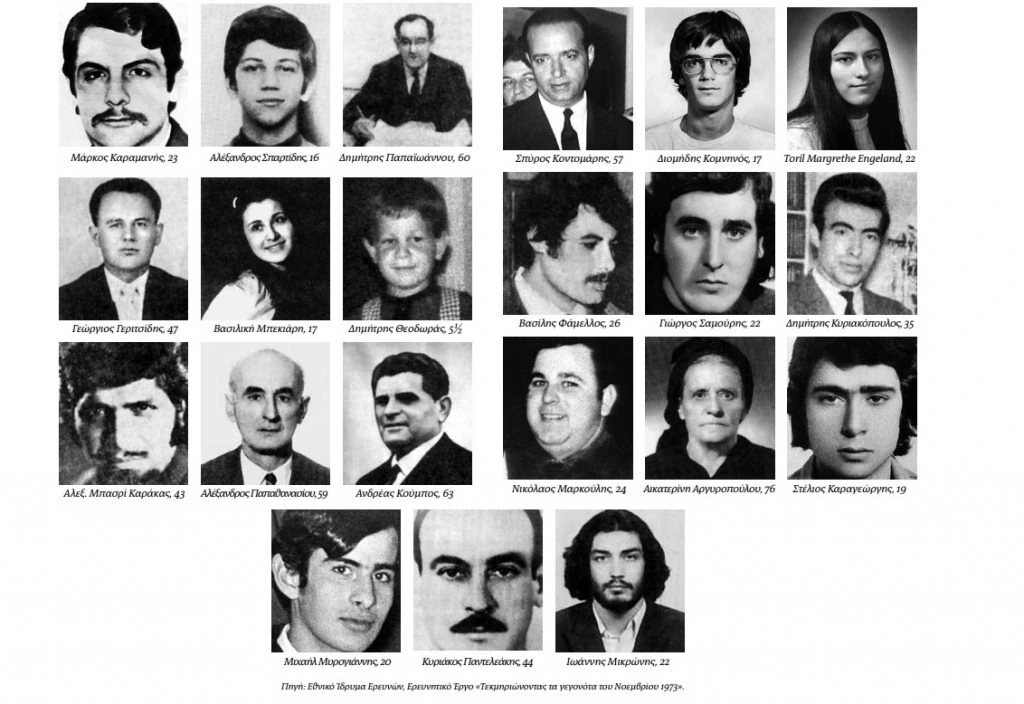
Among those killed was Diomedes Komninos, a 17-year-old schoolboy, shot near the junction of Averof and Marni streets. Later that night, Toril Margrethe Engeland, a 22-year-old Norwegian student, was fatally wounded by gunfire.
Georgios Samouris, 22, a student at Panteion University, was shot near the Polytechnic around midnight and died after being taken to the university’s improvised medical station.
As shootings and clashes continued, troops and armoured vehicles moved towards the Polytechnic. By late Friday night, security forces had surrounded the campus.
SATURDAY · 17 NOVEMBER 1973
The tank enters the Polytechnic
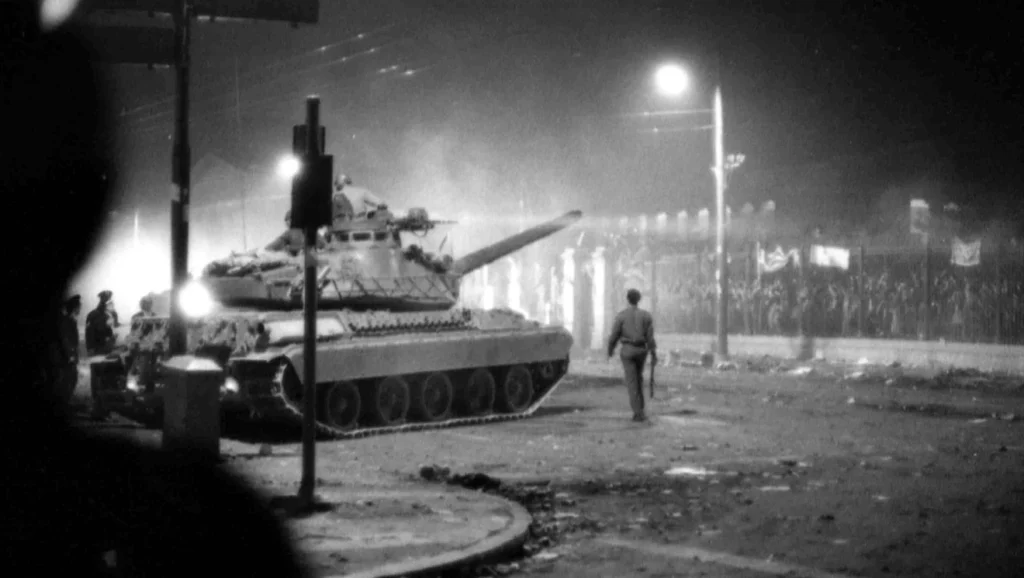
In the early hours of Saturday, 17 November, tanks and military units moved into positions around the Polytechnic, blocking access to the campus. One armoured vehicle took up position opposite the main gates on Patission Street.
Student representatives attempted to negotiate a peaceful evacuation, seeking assurances for the safety of those inside. The radio station continued broadcasting appeals, including messages directed at the soldiers surrounding the university.
Shortly before 3 a.m., the tank facing the main entrance advanced and crashed through the iron gates. Students had gathered near the entrance, and the moment was captured in photographs and film.
Soldiers and police entered the grounds as students attempted to escape through the exits, over the railings and into surrounding streets. Some found shelter in nearby apartment buildings, while many others were arrested or beaten during the evacuation and the operations that followed.
Across Athens, military and police operations continued after the university had been cleared. Military personnel fired from elevated positions, including the roof of the OTE building near the Polytechnic, while civilians were shot in streets and neighbourhoods beyond the campus.
Martial law was imposed, and arrests and shootings continued during the following hours. The suppression of demonstrations extended into 18 November.
The victims of the Polytechnic uprising
The suppression of the uprising left 24 fully documented deaths and 1,103 recorded civilian injuries. The dead included students, schoolchildren, workers, professionals and elderly civilians. Historical investigations also identified 16 further possible deaths that could not be conclusively verified, suggesting that the death toll may have been higher. The number of injured was also likely greater than recorded, as some sought treatment privately or avoided hospitals for fear of arrest.
From uprising to democracy
The uprising did not immediately bring down the dictatorship. On 25 November 1973, hardliner Dimitrios Ioannidis removed Georgios Papadopoulos in an internal military coup. The regime remained in power until July 1974, when the Cyprus crisis precipitated its collapse and the restoration of parliamentary democracy.
The Polytechnic gates become a protected monument
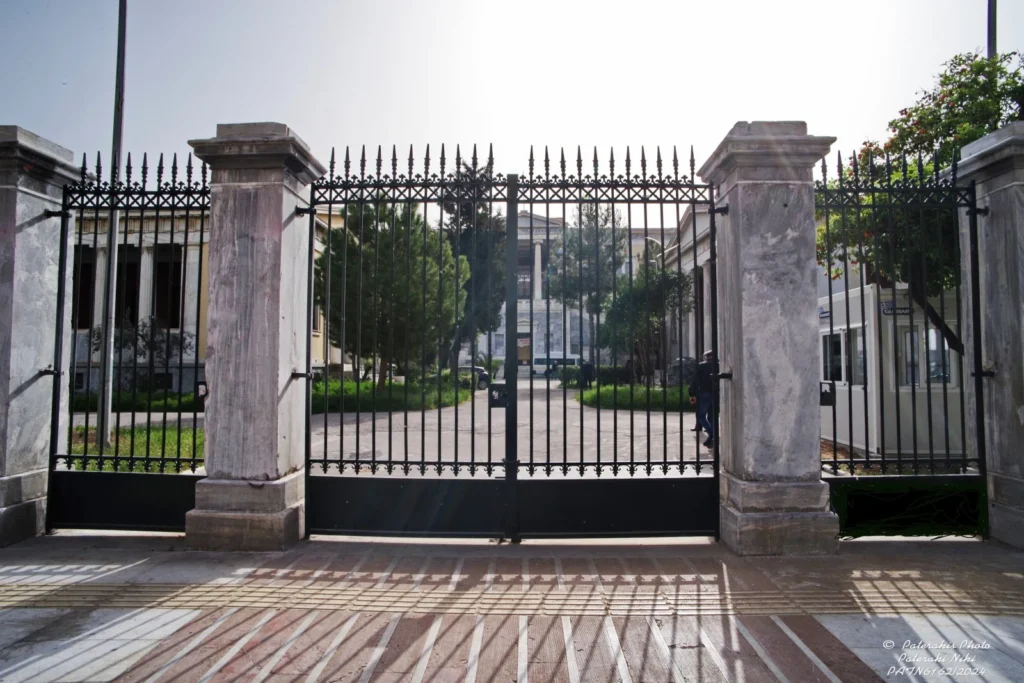
On 13 November 2026, shortly before the uprising’s 53rd anniversary, the Polytechnic’s main entrance and sections of its perimeter wall received protected-monument status, following a unanimous recommendation by Greece’s archaeological and modern monuments councils.
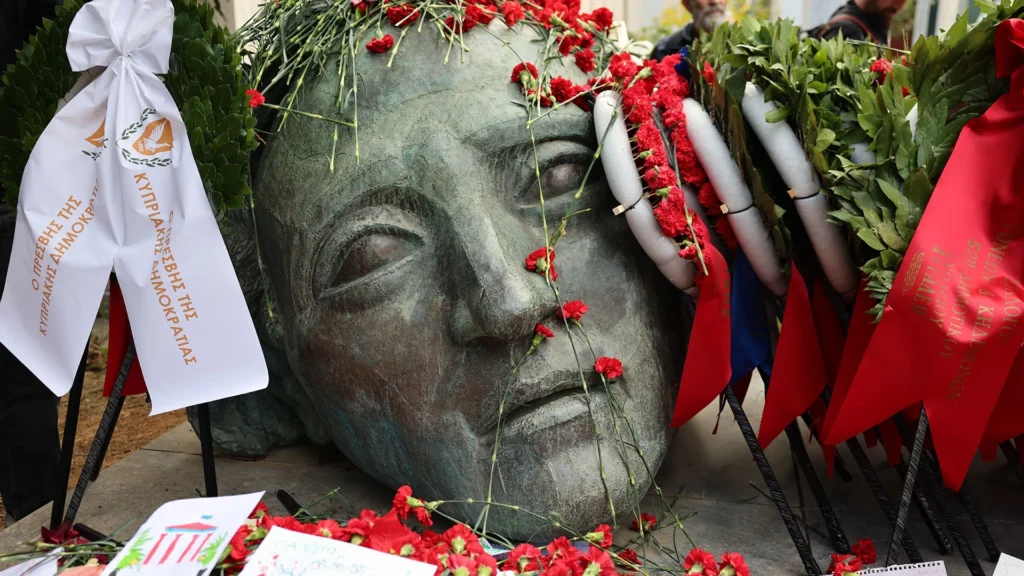
The designation also included the original iron gates crushed by the tank on 17 November 1973, together with the bronze sculpture by Memos Makris honouring historian Nikos Svoronos.
The original damaged gates are preserved separately within the Polytechnic grounds. Visitors approaching the university from Patission Street see the present entrance, while the surviving ironwork from 1973 remains a physical record of the military assault.
Makris created the monumental bronze head in honour of Svoronos, a prominent Greek historian who had participated in the resistance against the German occupation during the Second World War. Installed at the Polytechnic, the sculpture became a focal point for commemorations of the uprising.
Commemorating 17 November
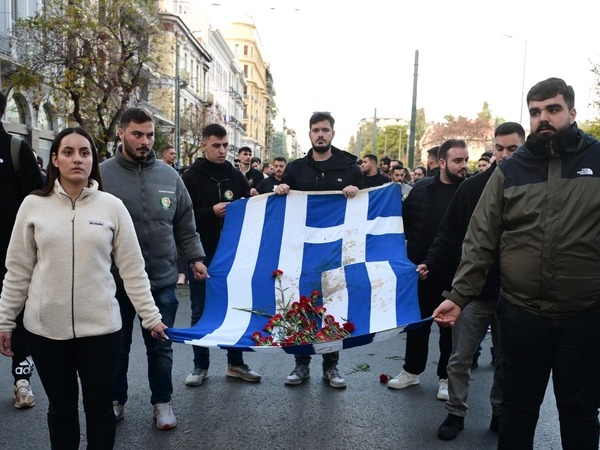
Every November, thousands visit the historic Polytechnic campus to place red carnations and wreaths around the memorial and remember the people killed during the uprising.
Schools hold commemorative events, while students, trade unions, political organisations and citizens take part in the annual march through central Athens. The procession traditionally concludes at the United States Embassy, reflecting longstanding criticism of Washington’s relationship with the Greek military regime during the Cold War.
The slogan “Ψωμί – Παιδεία – Ελευθερία” — “Bread – Education – Freedom” — continues to appear on banners and at commemorative gatherings.
Visiting the historic Polytechnic
The historic campus of the National Technical University of Athens stands at 42 Patission Street, beside the National Archaeological Museum and within walking distance of Exarchia.
Patission, Stournari, Averof and Marni streets were among the principal locations of the demonstrations and military operations in November 1973. The campus opens for anniversary commemorations, although visitors should check official university announcements for current access arrangements.
For international residents and visitors, 17 November is an important date in the Athens calendar. The commemorative march and associated security arrangements commonly lead to traffic restrictions, public transport changes and temporary road closures across central Athens.
Inside the university grounds, the damaged gates and bronze memorial remain. More than half a century later, the voices of the students can still be heard in the surviving radio recordings, beginning with the words that became inseparable from the uprising: «Εδώ Πολυτεχνείο» — “This is the Polytechnic.”
Sources and historical records
- Contemporary Social History Archives (ASKI), Coordinating Committee Announcement, 16 November 1973, archival reference 076.067.00001.
- Leonidas Kallivretakis, Πολυτεχνείο ’73: Το ζήτημα των θυμάτων: Νεκροί και τραυματίες (2004), National Hellenic Research Foundation.
- Dimitrios Tsévas, judicial report on the November 1973 events, 14 October 1974.
- ERT Historical Archive: The Occupation of the Athens Law School.
- ERT Historical Archive: The Polytechnic Occupation and Radio Station.
- Digital School Library: Historic Polytechnic radio broadcast (audio document).
- ERT News: The Polytechnic Gates and Other Historic Elements Recognised as Monuments, November 2026.
You may also like
A Quick Guide to Greek History for Foreign Residents in Greece