
Thirty chefs, 20 recipes and one Guinness World Record put an invasive Mediterranean predator on the table.
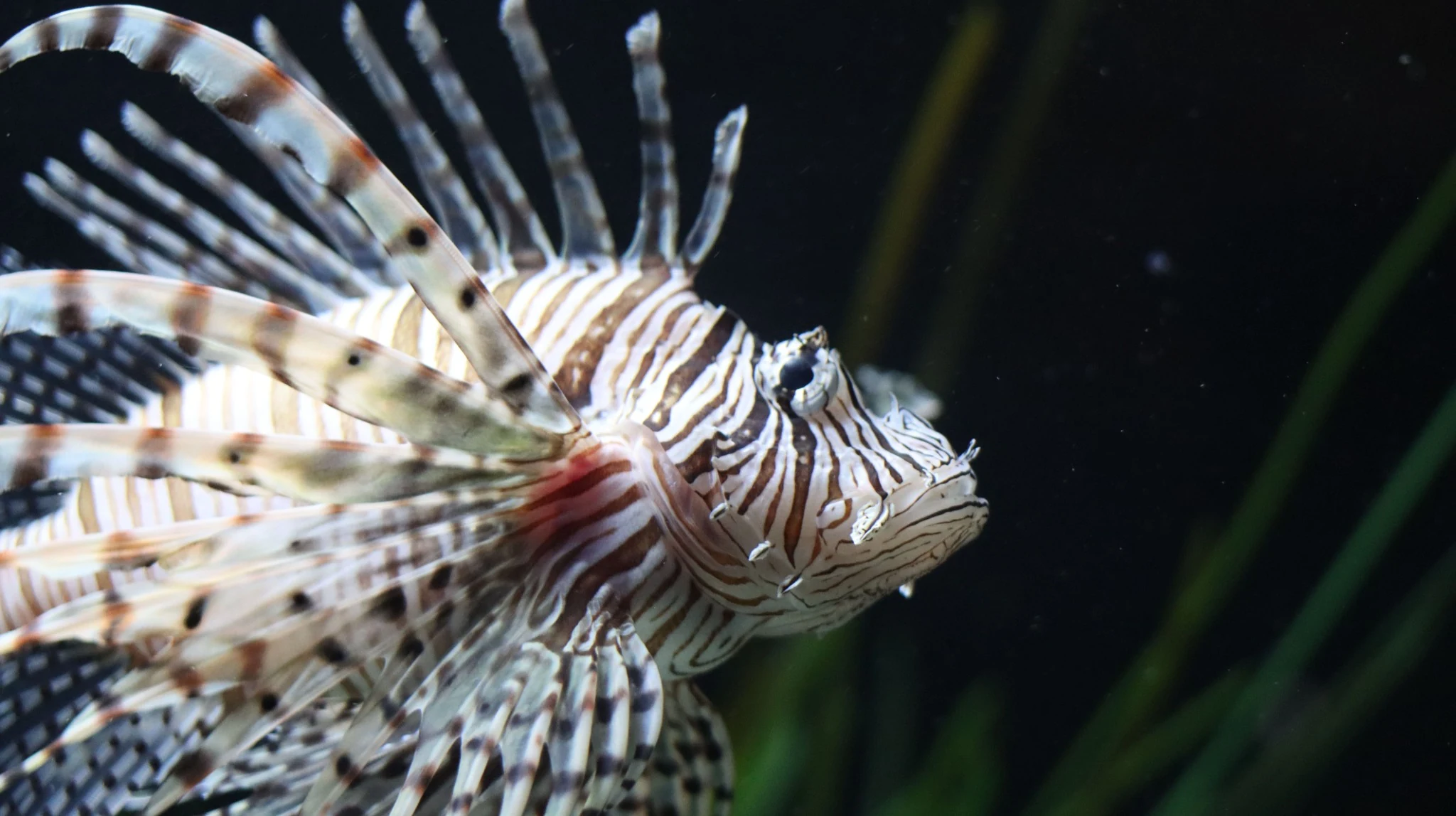
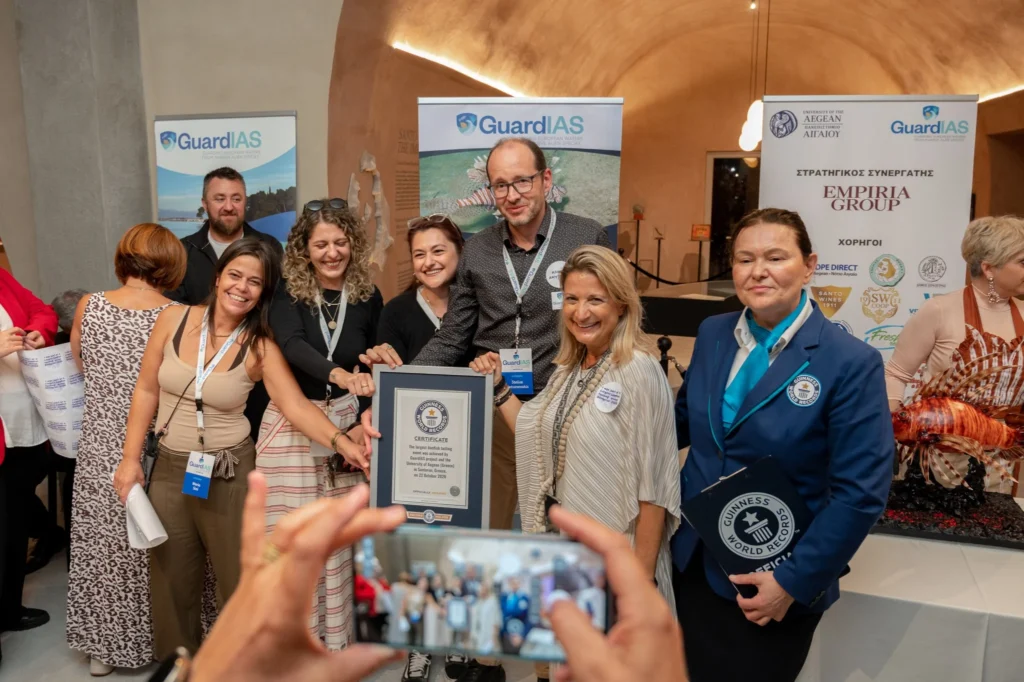
On 22 October 2026, 370 people gathered at Santo 1911 in Vlychada, Santorini, to taste lionfish. Known in Greek as λεοντόψαρο, this striped, fan-finned fish has venomous spines capable of causing intensely painful stings. The event earned a Guinness World Records title for the largest lionfish tasting and explored how creating a market for an invasive species could help control its spread.
A Record with a Purpose
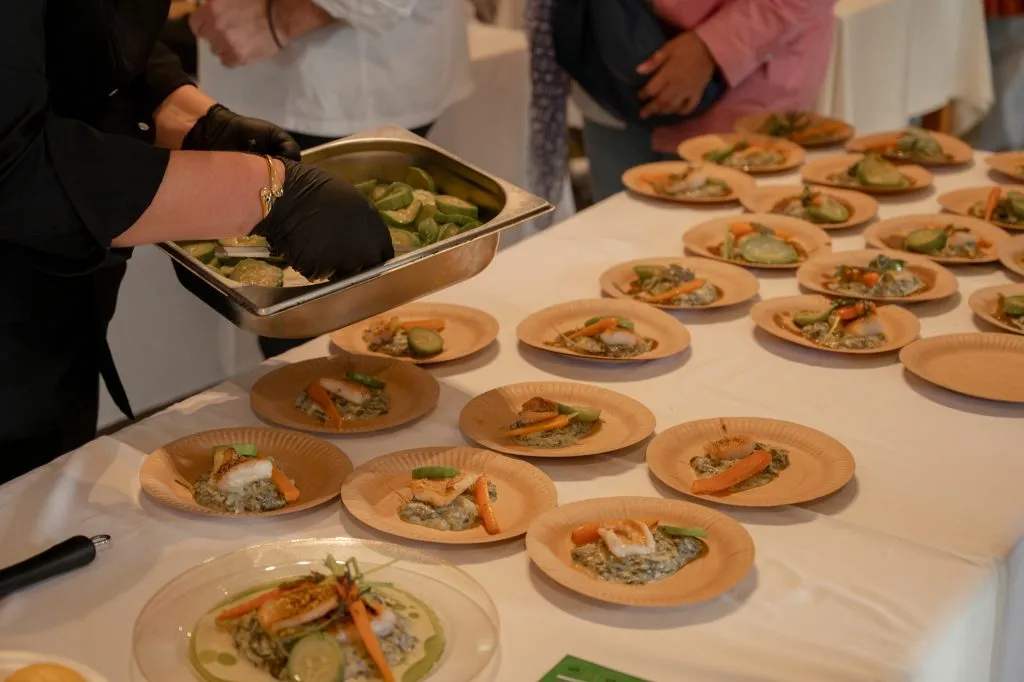
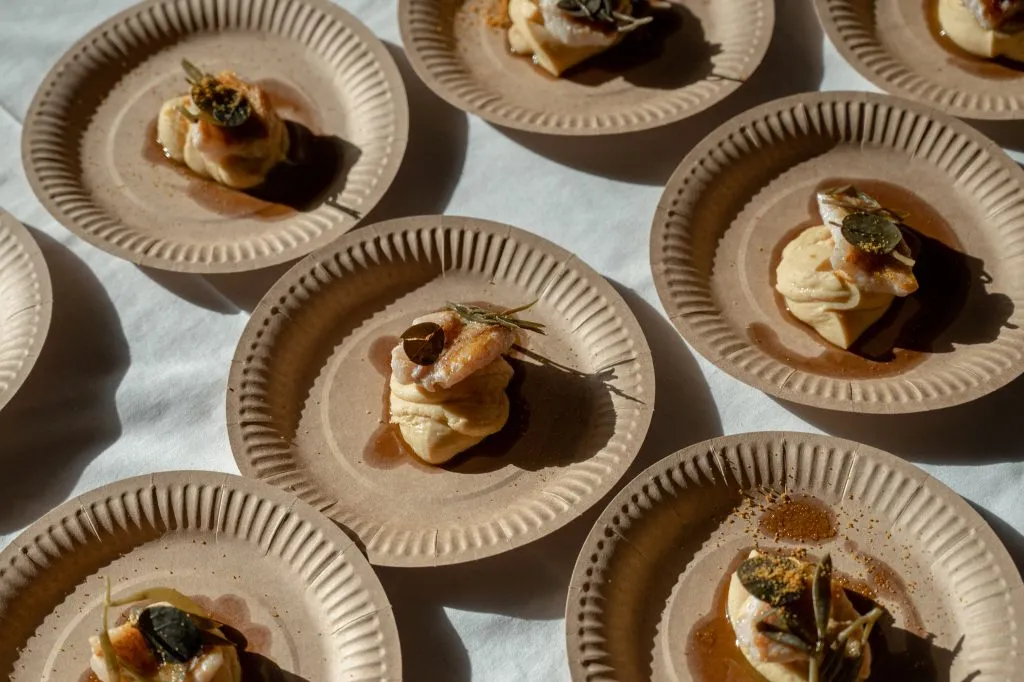
Thirty chefs prepared 20 lionfish recipes, and every participant tasted at least three dishes. The organisers had aimed for 250 people and reached 370.
The event was organised by the University of the Aegean through the EU-funded research project GuardIAS. It closed a two-day programme on 21–22 October called From Threat to Opportunity, which brought together marine researchers, fishermen, restaurant professionals and local residents.

How Lionfish Reached Greece
The lionfish (Pterois miles) is native to the Indo-Pacific. It entered the Mediterranean from the Red Sea through the Suez Canal and has since spread across the eastern Mediterranean, with established populations in Greek waters, including around Crete and the Aegean islands.
Lionfish feed on small fish and invertebrates that play important roles in local marine ecosystems. They reproduce prolifically and establish themselves successfully in new habitats, making them highly effective invaders. As their numbers grow, they put pressure on native species and compete with local predators for food.
Is Lionfish Safe to Eat?
Yes. The flesh is firm, white and delicately flavoured, and it can be cooked like other white fish.
The danger lies in the spines on the dorsal, pelvic and anal fins. They can cause painful stings even after the fish has died. Safe preparation requires careful handling and removal of the venomous spines. The venom is delivered through the spines, while the edible flesh is free of it.
Can Eating Lionfish Help Protect the Mediterranean?
GuardIAS scientists are studying targeted lionfish removal around Santorini and Crete, measuring its effectiveness and its impact on local ecosystems.
A market for lionfish gives fishermen a reason to catch it regularly, while restaurants and diners create demand. Lionfish are already established across large areas of the Mediterranean, so targeted fishing can reduce numbers in sensitive local areas but cannot eliminate the species across the region. Scientific monitoring is essential to assess the results.
The harder task is making demand last once the cameras leave. Whether lionfish becomes a regular feature on Greek seafood menus depends on fishermen, restaurants and diners. Santorini has now given them a very public starting point.
Sources
- GuardIAS – University of the Aegean: Guinness World Records Title for the Largest Lionfish Tasting Event, 23 October 2026.
- Municipality of Thira: Guinness World Record on Santorini, 24 October 2026.
- NOAA National Marine Sanctuaries: How to Catch and Cook Lionfish.
- GuardIAS: Lionfish Management – From Removal Trials to Biodiversity Recovery.