
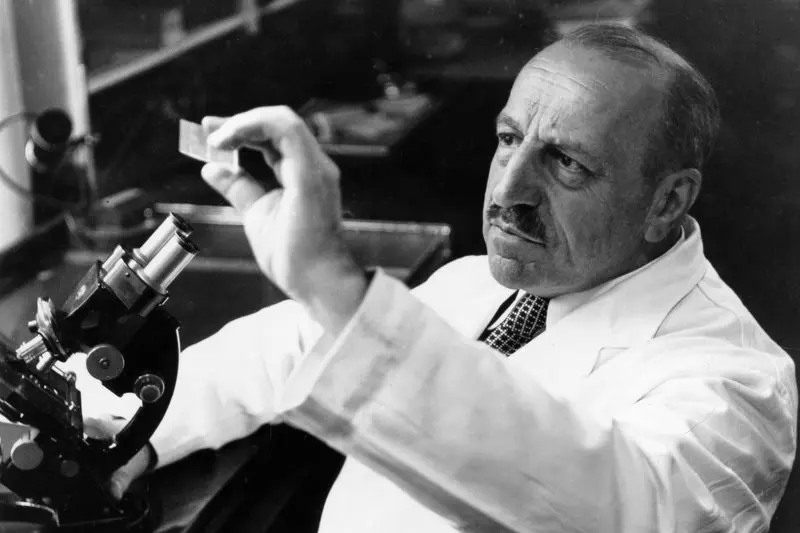
A new museum dedicated to Georgios Papanikolaou, the Greek physician whose pioneering Pap test, also known as the Pap smear, has helped save millions of lives, was inaugurated on Friday, 11 September 2026, in his birthplace of Kymi on the island of Evia. It was officially opened by Konstantinos Tassoulas, President of the Hellenic Republic.
Housed in the researcher’s restored family home, the museum presents his personal journey and scientific achievements through photographs, letters, documents and family possessions. It offers a closer look at the scientist behind the test and the course of research that changed women’s healthcare. The Pap test detects abnormal and precancerous cells in the cervix, allowing treatment before cervical cancer develops. It became a cornerstone of modern preventive medicine and contributed to a substantial reduction in deaths from cervical cancer wherever organised screening was widely introduced.
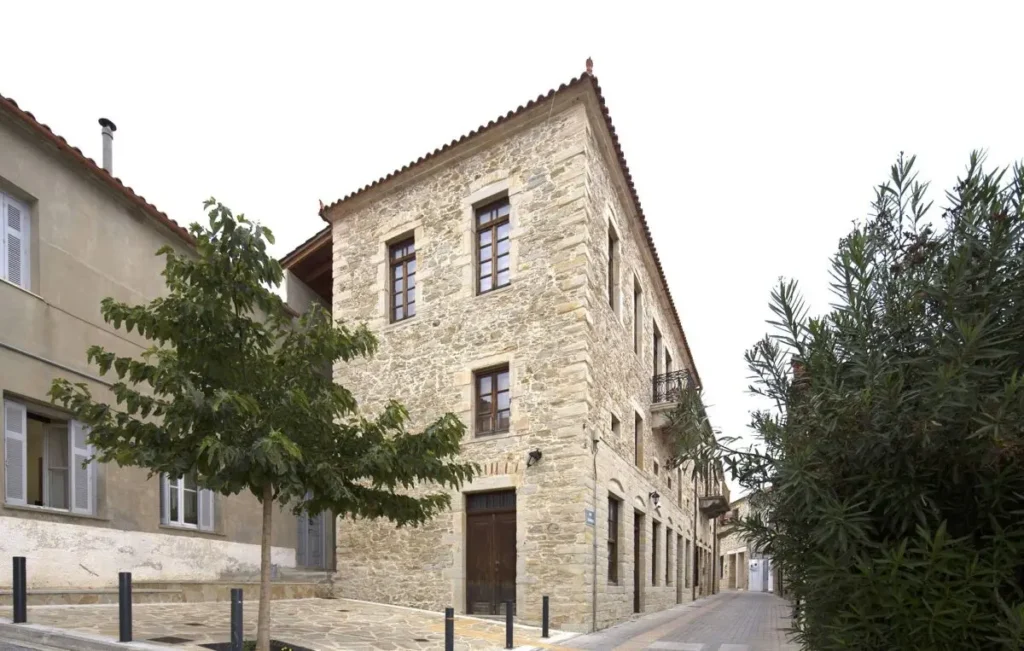
The new museum
The new museum occupies Papanikolaou’s traditional stone family home, on a sloping street just below Kymi’s central square. Its conversion was made possible through a collaborative effort involving the Municipality of Kymi-Aliveri, the Region of Central Greece, local scientists, residents and members of the Papanikolaou family. The restoration preserved the building’s historic stone exterior, while the interior was upgraded to meet modern safety and accessibility standards.
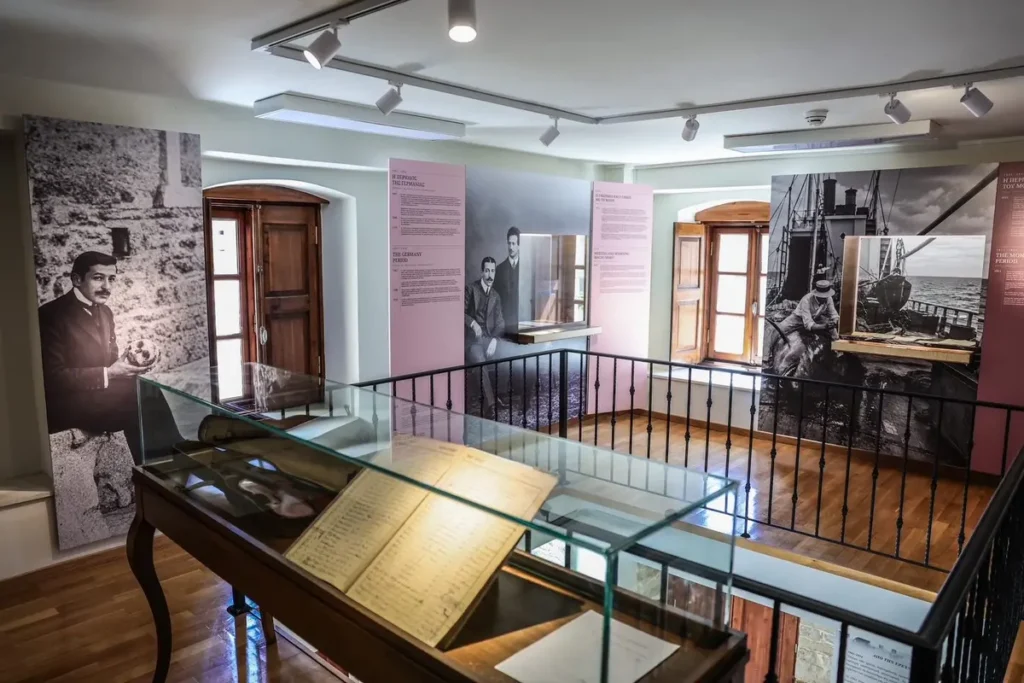
Arranged over three levels, the exhibition follows his journey from his childhood in Kymi and his studies in Germany to his marriage to Andromachi “Machi” Mavrogeni and his scientific career in the United States. Visitors can see family possessions, original manuscripts, personal letters, photographs and audiovisual material.
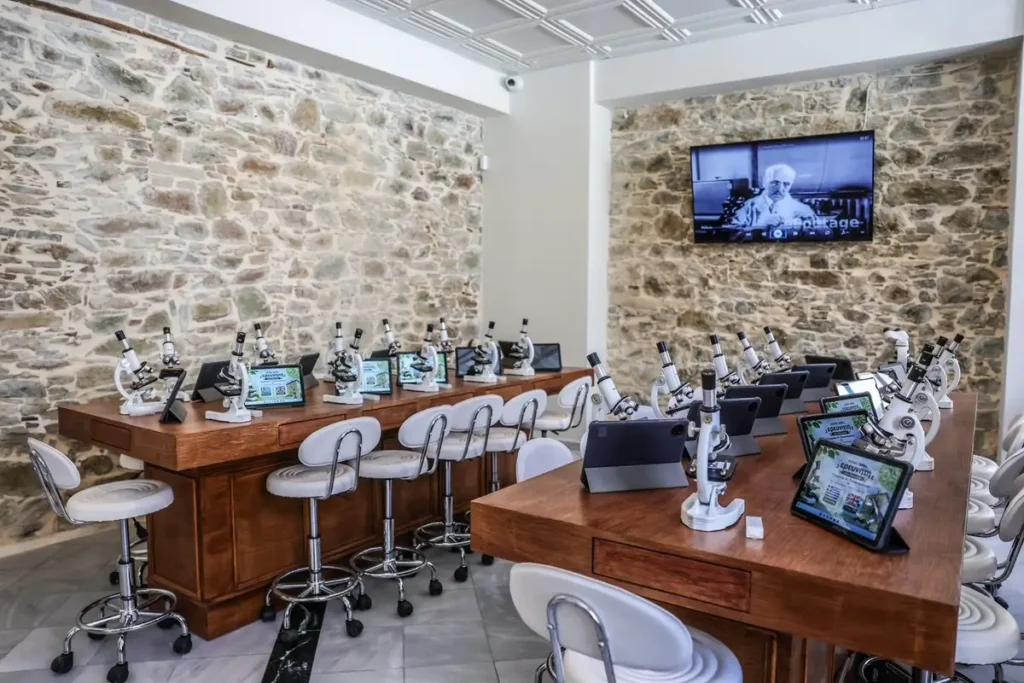
The museum also includes an educational area equipped with microscopes. It introduces visitors to Papanikolaou’s research and explains the continuing importance of cervical screening.
From Kymi to medical research
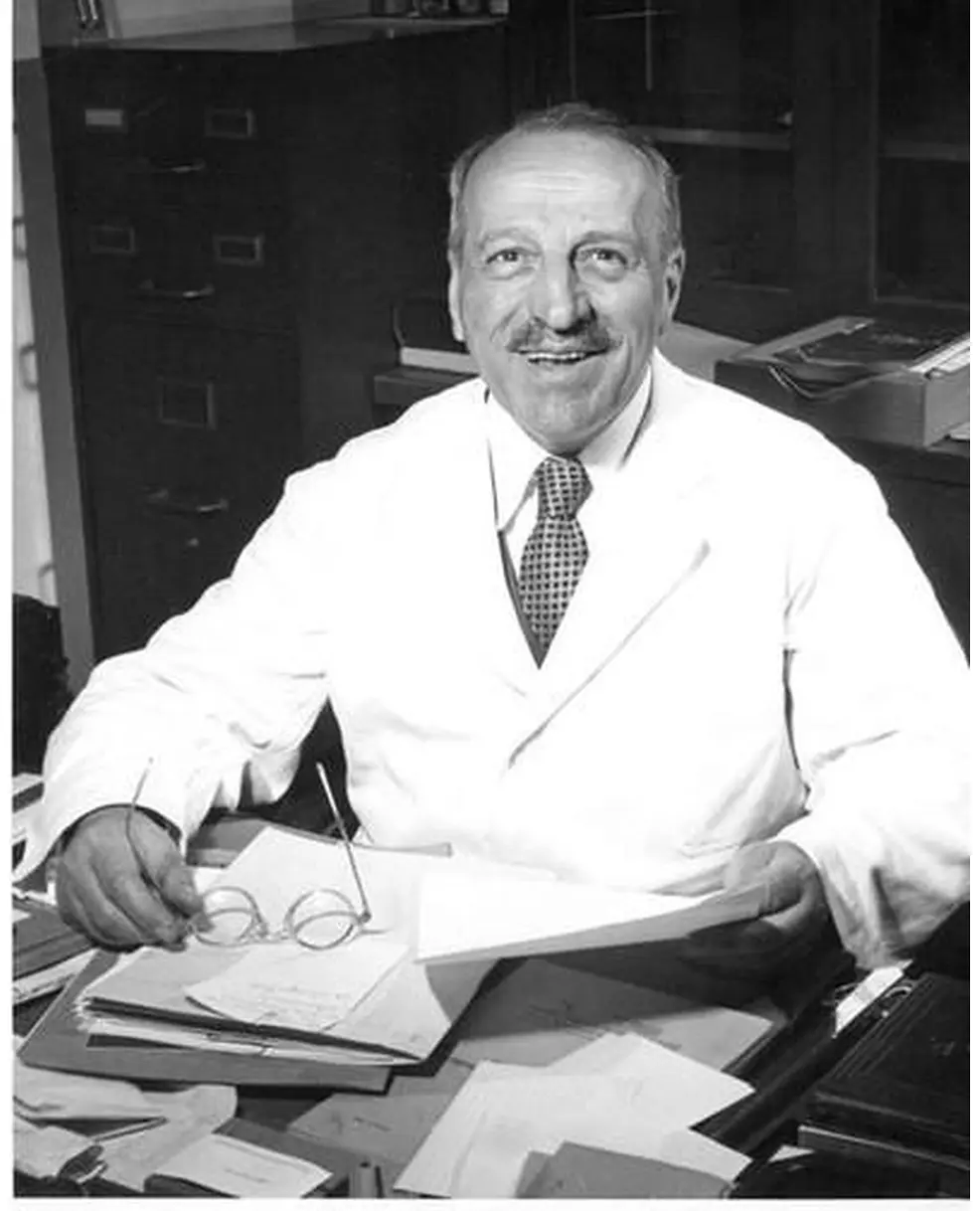
Born in Kymi on 13 May 1883, Georgios Nikolaou Papanikolaou was the third child of Maria and Nikolaos Papanikolaou, a local doctor who also served as the town’s mayor and a member of parliament. After completing his primary education locally, Papanikolaou moved to Athens for secondary school. His interests extended well beyond science. He learned French, studied the violin for eight years and read widely in literature, poetry and philosophy. In 1898, at the age of 15, he entered the University of Athens Medical School, graduating with his medical degree in 1904.
Papanikolaou had little interest in the secure career his father had envisaged for him, either as a military doctor or as a local physician. His ambition was to devote his life to scientific research, for which Greece offered few opportunities at the time.
“I am convinced that I will become someone of worth. You would do me a grave wrong if you tried to force me to follow another profession. I would never love it and would remain mediocre, whereas my ambition is to become great.”
Georgios Papanikolaou, writing to his father. Translated from the original Greek. Source: Michalis Cacoyannis Foundation.
The letter forms part of an archive of 120 items spanning his life and career from 1897 to 1961. Preserved by his family and entrusted to the Michalis Cacoyannis Foundation, the correspondence follows his journey from Athens and Germany to Monaco, New York Hospital and Cornell Medical College. It records his determination to pursue research, together with the personal cost of spending much of his life abroad.
Germany, Monaco and the Balkan Wars
In 1907, Papanikolaou left for Germany to pursue his interest in scientific research, studying biology and zoology at the universities of Jena, Freiburg and Munich. He gained extensive laboratory experience, published two research papers in German and received his doctorate in zoology from the University of Munich in 1910. His thesis examined sex differentiation in Daphnia, commonly known as water fleas.
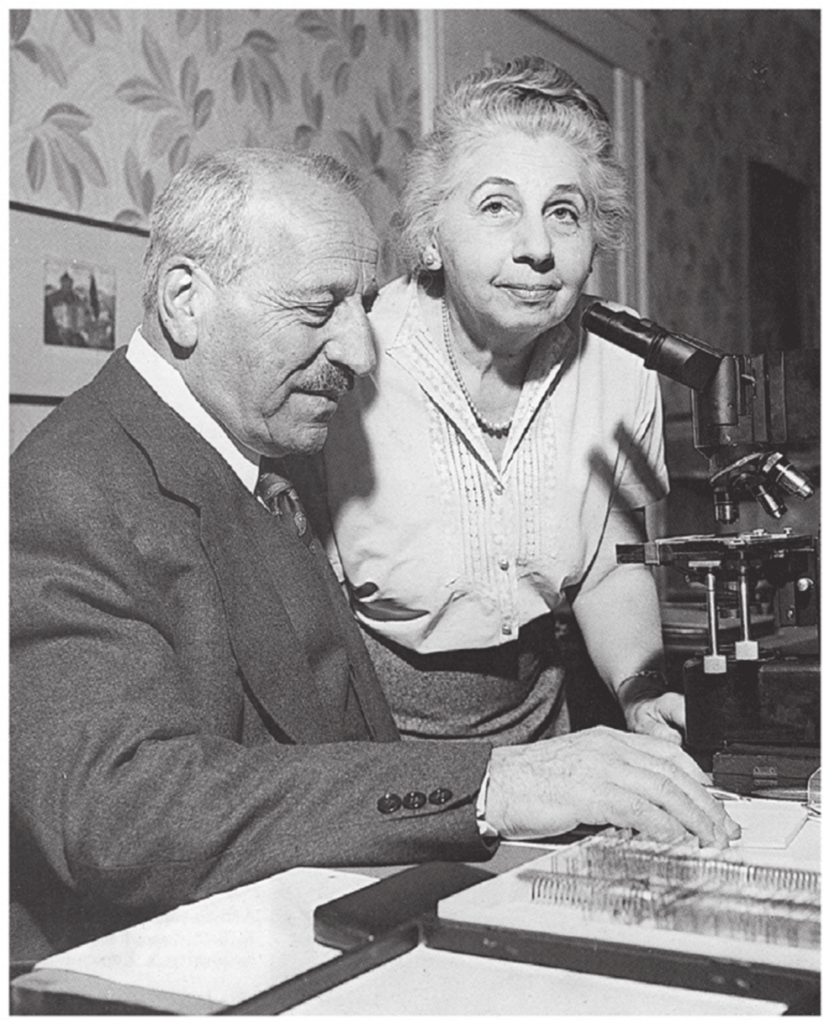
Later that year, he returned to Athens and married Andromachi “Machi” Mavrogeni. Their partnership became closely connected to his scientific career. She accompanied him through years of professional uncertainty and later worked alongside him in the laboratory.
Seeking research opportunities unavailable in Greece, Georgios Papanikolaou and his wife moved to Monaco. In January 1911, he joined the Oceanographic Institute of Monaco. Later that year, he participated in a marine research expedition led by Prince Albert I aboard the Hirondelle II, travelling through parts of the Mediterranean and Atlantic.
Papanikolaou subsequently returned to Greece and served as a military medical officer during the Balkan Wars of 1912–13. During his service, he met Greek emigrants who had returned from the United States to fight. Their accounts encouraged him to believe that America could offer the research facilities and professional opportunities he had been unable to find in Greece.
A difficult beginning in New York
Georgios and Machi arrived in New York on 19 October 1913 with slightly more than $250, reportedly the minimum amount required for entry to the United States. They faced a difficult beginning in an unfamiliar city. Papanikolaou took several temporary jobs, including work as a violinist, newspaper clerk and carpet salesman. He also contributed to the Greek-language newspaper Atlantis, while Machi worked as a seamstress.
Thomas Hunt Morgan of Columbia University took an interest in Papanikolaou’s academic work and helped him find a part-time position in pathology. In 1914, he obtained a full-time research post in the Department of Anatomy at Cornell University Medical College under Professor Charles Stockard. Machi later joined him there as a laboratory assistant.
It was the beginning of an association with Cornell that would last for almost five decades. Papanikolaou’s early research there focused on the reproductive cycles of guinea pigs. While examining vaginal smears under a microscope, he observed that the appearance of the cells changed according to the stage of the animals’ oestrous cycle.
Papanikolaou subsequently extended the technique to human subjects. Machi volunteered to provide samples for his research, enabling him to study cellular changes over an extended period.
When he compared these samples with smears taken from women with uterine and cervical cancers, he found that malignant cells could be recognised under a microscope. The discovery raised the possibility of detecting cancer before symptoms appeared.
The development of the Pap test
Papanikolaou first presented his method for detecting cancer cells in vaginal smears at a conference in Battle Creek, Michigan, in 1928. His paper, entitled “New Cancer Diagnosis”, attracted little interest from the medical community. At the time, tissue biopsy was considered the established method of diagnosing cancer, and many doctors were unconvinced that cells collected in a smear could provide reliable evidence of a hidden malignancy.
Papanikolaou continued his research into reproductive cytology and returned to cancer detection in 1939. Working with the gynaecological pathologist Herbert Traut, he gathered further clinical evidence showing that malignant cells could be identified in vaginal and cervical smears.
In 1941, Papanikolaou and Traut published “The Diagnostic Value of Vaginal Smears in Carcinoma of the Uterus”. Two years later, they presented their findings in the illustrated monograph Diagnosis of Uterine Cancer by the Vaginal Smear. Based on the examination of more than 3,000 women, it described how samples should be collected, stained and assessed under a microscope.
Their work established the scientific basis for the wider clinical use of the Pap smear. The test offered doctors a relatively simple and inexpensive way to identify abnormal cervical cells, including precancerous changes that could be treated before developing into invasive cancer.
For the first time, cervical cancer could be detected in women who had no symptoms and at a stage when treatment was more likely to succeed. As organised screening expanded from the 1950s onwards, rates of invasive cervical cancer and deaths from the disease fell substantially in countries where testing became widely available.
Machi’s contribution
Machi Papanikolaou’s contribution extended beyond the emotional and financial support she provided during the couple’s difficult early years in America. She worked alongside her husband in the laboratory and volunteered as a subject in his research, regularly providing samples that enabled him to observe cellular changes over long periods.
Her participation formed part of the sustained research behind the Pap test. She also managed the practical demands of their life together while Papanikolaou followed an exacting research schedule, and the new museum recognises her contribution with a section devoted to her role in his life and scientific career.
A new field of medicine
As the Pap test gained wider clinical acceptance, Papanikolaou concentrated on developing exfoliative cytology as a distinct field of medical science. By studying cells naturally shed from body tissues, doctors could detect signs of disease without first removing a tissue sample surgically. Papanikolaou trained pathologists and laboratory specialists in the collection, staining and interpretation of cell samples, and his Cornell laboratory became an international centre for cytology training.
In 1954, he published the Atlas of Exfoliative Cytology. The book documented benign, precancerous and malignant cellular changes and extended the application of cytology beyond the female reproductive system. It became an important reference for doctors and laboratory specialists.
Papanikolaou received numerous scientific honours during his lifetime. These included the Borden Award in 1940, the Amory Prize in 1947, the Albert Lasker Award for Clinical Medical Research in 1950 and the American Cancer Society’s Medal of Honor in 1952.
His return to Kymi and final years
In 1957, Papanikolaou retired as professor of clinical anatomy at Cornell, although he continued his research. That year, he and Machi returned to Greece for the first time since leaving in 1913. He received honours in Athens before travelling to Kymi, where local residents gave the couple a warm welcome.
Papanikolaou hoped to establish a cancer research institute in Greece, but the plan did not come to fruition. In late 1961, at the age of 78, he left New York for Florida to lead the newly established Cancer Institute of Miami.
On 19 February 1962, only a few months after arriving in Miami, Georgios Papanikolaou died following a heart attack. Later that year, the Miami facility was renamed the Papanicolaou Cancer Research Institute in his honour.
A legacy in women’s healthcare
In the decades since Papanikolaou’s death, cervical cancer prevention has continued to develop. Today, HPV vaccination and HPV testing play major roles in cervical cancer prevention, while screening programmes differ between countries. Yet the principle at the centre of Papanikolaou’s work remains unchanged: identifying dangerous cellular changes before they become invasive cancer can prevent disease and save lives.
The new museum in Kymi returns this history to the town where his life began. It preserves the story of the scientist behind a familiar medical name, together with that of the young man who rejected the secure future prepared for him and the wife who shared the demands of his work.
Papanikolaou’s name survives in a test used across the world. His larger legacy is found in the millions of women whose disease was prevented or detected early because a few cells, examined under a microscope, revealed what the body had not yet shown.
Find the Georgios N. Papanikolaou Museum on Google Maps: Click here
Sources
- Presidency of the Hellenic Republic: Inauguration of the Georgios N. Papanikolaou Museum
- Dr Pap: Biography of Georgios N. Papanikolaou
- Kathimerini: Papanikolaou’s family home becomes a museum
- Michalis Cacoyannis Foundation: The Georgios Papanikolaou Archive
- Weill Cornell Medical Library: George Papanicolaou Biography
- Embryo Project Encyclopedia: George Nicholas Papanicolaou
- Dugas, Persaud and Ganti: Dr George Papanicolaou, Inventor of the Pap Smear and Father of Modern Cytology
This biographical account draws principally on the Dr Pap biography, the Weill Cornell Medical Library archive and published medical histories. Information about the museum and its inauguration was drawn from the Presidency of the Hellenic Republic, the Municipality of Kymi-Aliveri and Kathimerini.